







 सुनचाँदी
 विनिमयदर
 मिति रुपान्तरण
 पेट्रोलको भाउ
 तरकारी / फलफूल
 मेरो एउटा कुरा छ
 AQI
 मौसम
 स्न्याप

 रेडियो लाइभ
 बैंक ब्याजदर
 युनिकोड टुल्स
 सेयर मार्केट्स
 राशिफल
 सिनेमा बोर्ड
 निर्वाचन पोर्टल
 NPL

Kathmandu. The government has advanced the process of preparing a new energy mix policy with a target of producing 30,000 megawatts of electricity within the next 10 years. The government is preparing to restart the long-stalled Power Purchase Agreement (PPA) process by determining the share of various sources in energy production.
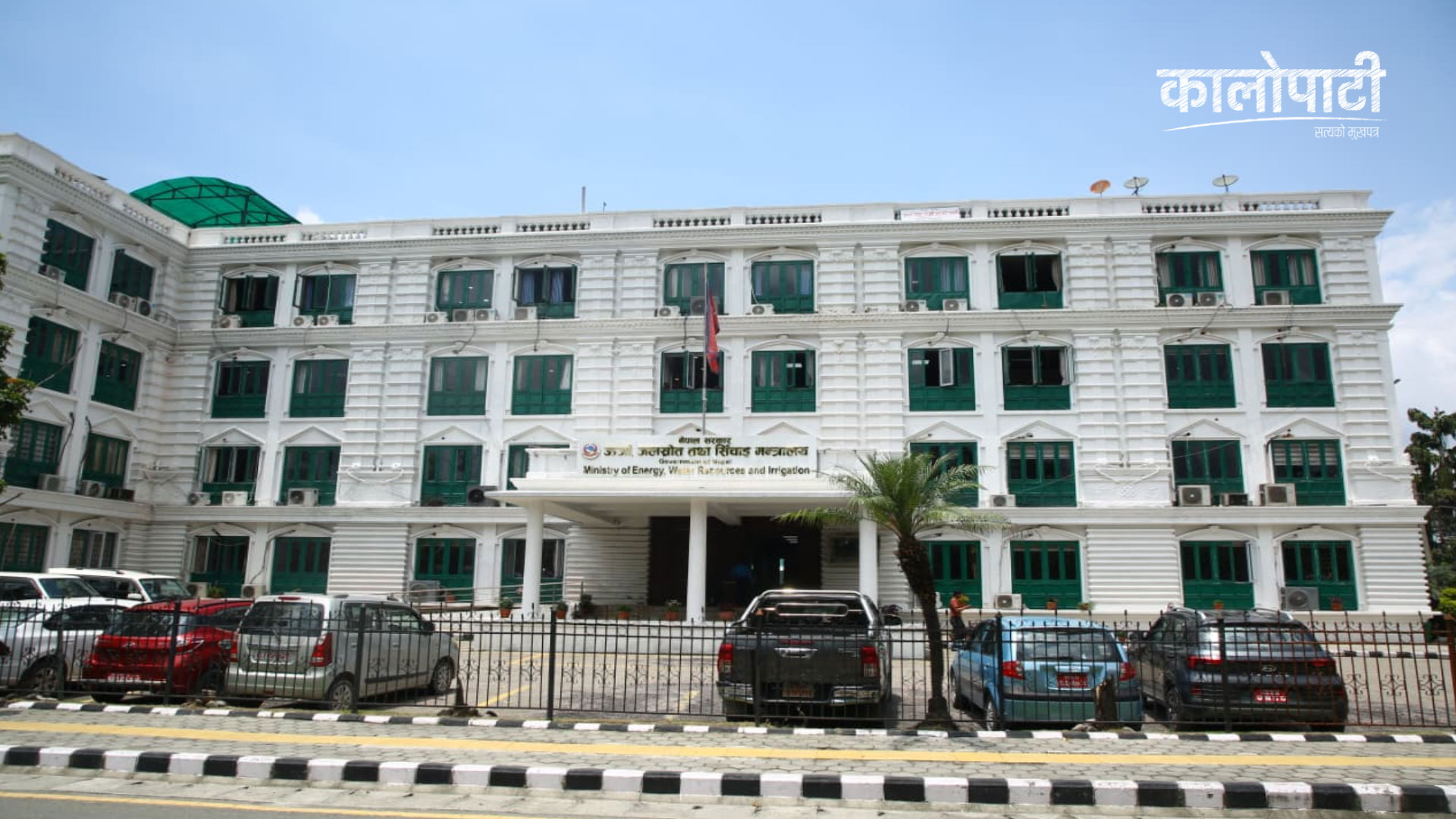
The Ministry of Energy, Water Resources, and Irrigation is preparing a new framework to determine the share of river flow (ROR), semi-aquiferous (PROR), reservoir-based, pumped storage, solar, wind, and other alternative energy sources. The new energy mix will determine how necessary each type of event will be in the coming decade.
Currently, Nepal has an installed electricity generation capacity of about 4,200 megawatts. Since a large portion of the production comes from river-flow projects, there is a seasonal imbalance where electricity production is higher during the rainy season and less in winter. To manage this, there is a need to prioritize the development of reservoir-based, pumped storage, and alternative energy sources.
Previously, the energy mix was determined based on a production target of 15,000 megawatts. Under this framework, the share of reservoir-based and pumped storage projects was maintained at 30 to 35 percent, river flow from 25 to 30 percent, semi-reservoir 30 to 35 percent, and other alternative energy from 5 to 10 percent. About 10 percent share was also proposed for solar energy.
In Asar 2079, after the Council of Ministers increased the share of river flow projects to 40 to 45 percent, arrangements were made accordingly in the PPA process. Subsequently, the board of directors of Nepal Electricity Authority approved PPAs for river flow projects up to 1,500 megawatts.
However, after the ‘take and pay’ system was implemented in the last financial year’s budget for river-flowing projects, the PPA process was affected. Since then, PPAs for both river-flowing and semi-reservoir-based projects have also been halted.
According to the authority, so far 404 river-based projects have 6,713.44 megawatts, 51 semi-reservoir-based projects have 4,186.81 megawatts, and one reservoir-based project has 140 megawatts of power purchase agreements. However, an additional 281 projects with a total capacity of 16,425.77 megawatts are awaiting PPA.
In the absence of PPAs, the financial management of private sector projects has been affected. Since banks and financial institutions seek assurance for electricity sales, PPAs are considered the main basis for obtaining loans for project construction. Therefore, the new energy mix is expected not only to open the path for PPAs but also to accelerate private sector investment and project construction.
The new energy mix is also preparing to include solar, wind, and other alternative energy sources. Due to heavy dependence on hydropower, production will decline in winter and demand management requires importing electricity from India, so priority has been given to diversifying energy sources.
In particular, reservoir-based and pumped storage projects can assist in electricity storage and supply management based on demand. The development of solar and wind energy will also add diversity to the generation system.
To meet the target of 30,000 megawatts of production, expanding production capacity alongside expansion of domestic consumption, transmission infrastructure, and inter-country electricity trade is also challenging. As the potential for electricity exports increases both to India and Bangladesh, a balanced energy mix is expected to manage electricity availability during both the rainy season and winter, helping increase exportable energy production.
प्रतिक्रिया दिनुहोस्