



 सुनचाँदी
 विनिमयदर
 मिति रुपान्तरण
 पेट्रोलको भाउ
 तरकारी / फलफूल
 मेरो एउटा कुरा छ
 AQI
AQI मौसम
मौसम स्न्याप
 रेडियो लाइभ
 बैंक ब्याजदर
 युनिकोड टुल्स
 सेयर मार्केट्स
 राशिफल
 सिनेमा बोर्ड
 निर्वाचन पोर्टल
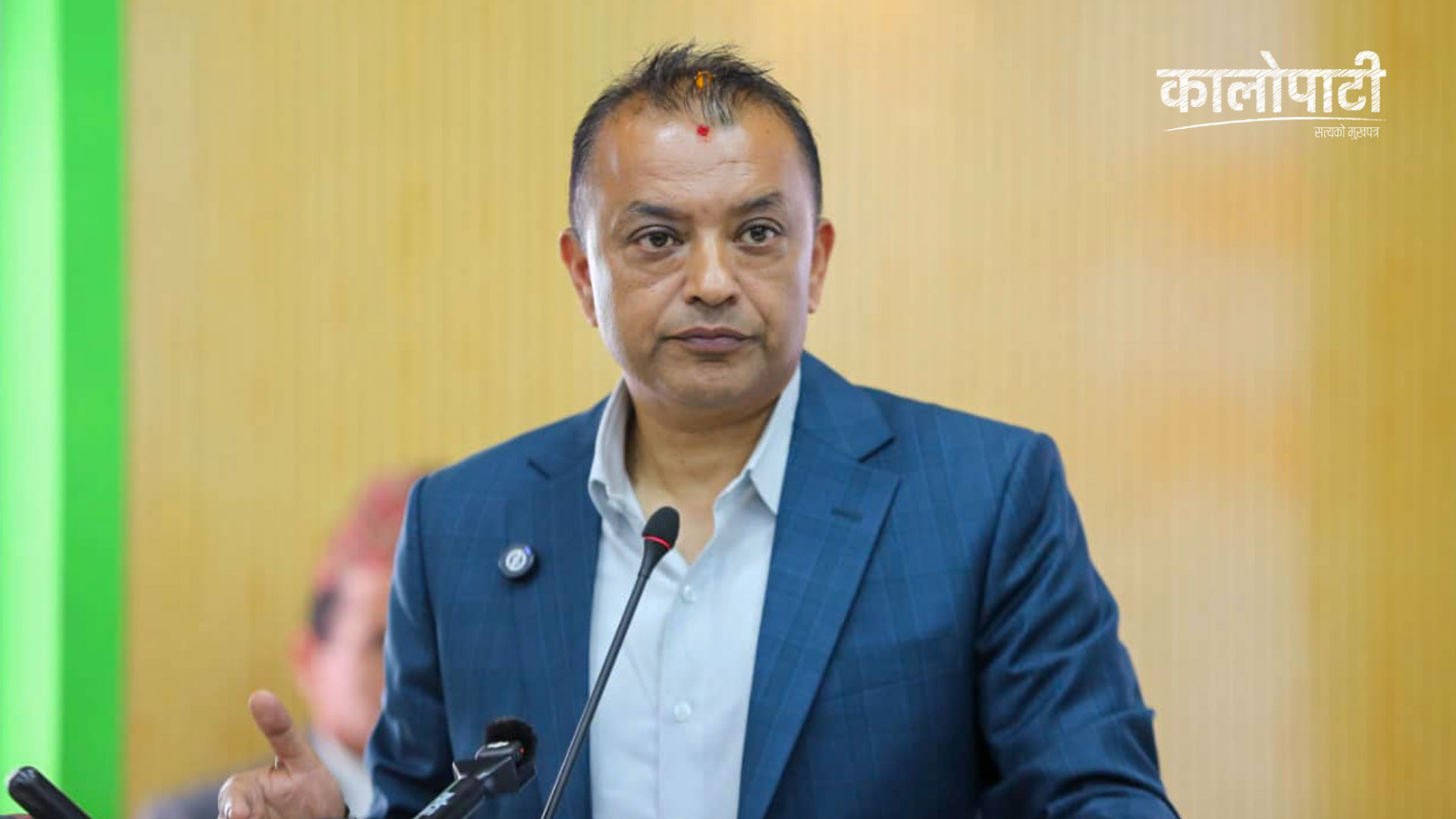

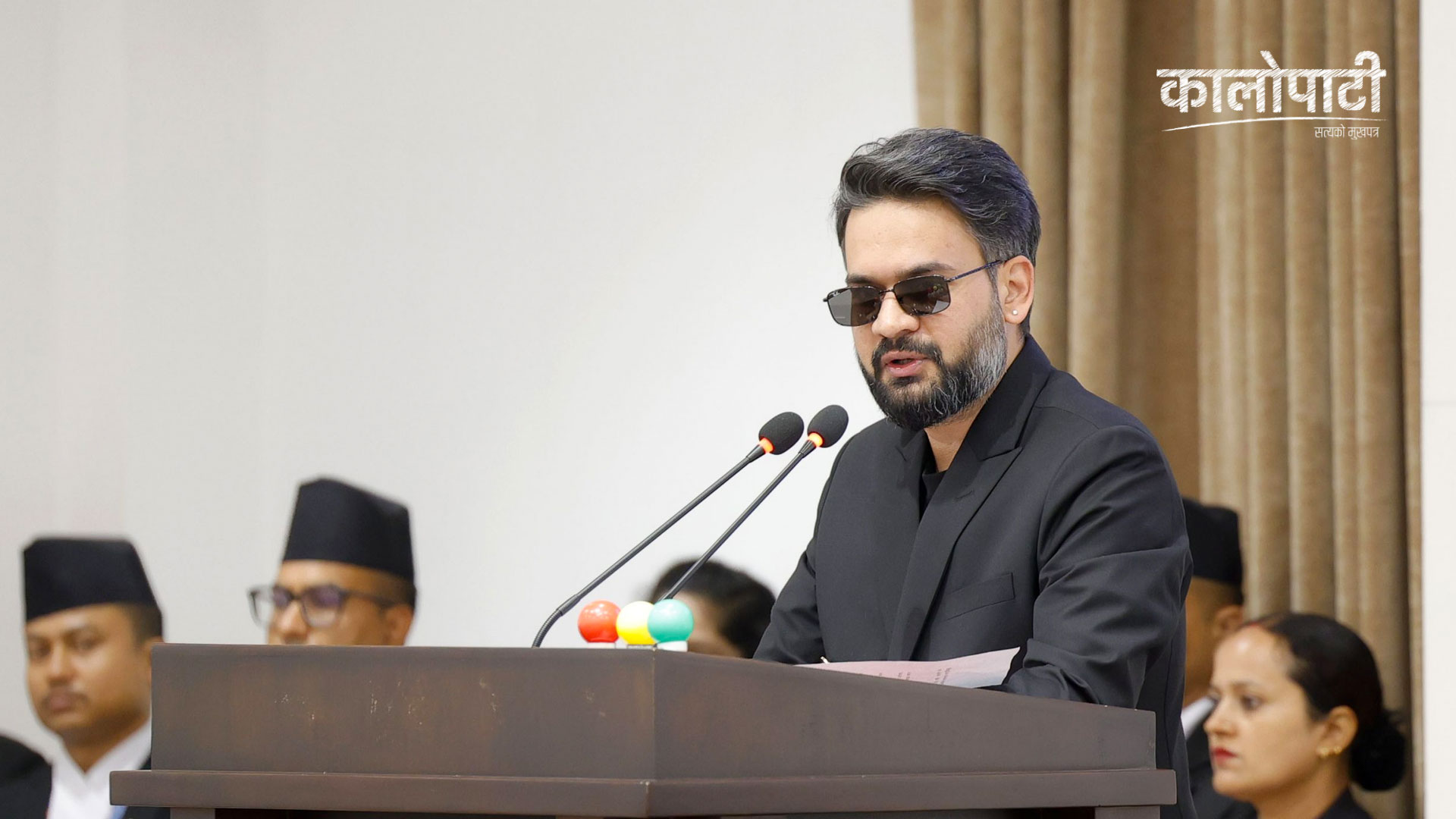
Kathmandu. KATHMANDU: Nepali Congress President Gagan Thapa has said problems facing Nepal’s education system were different in Kathmandu and remote districts and local needs should be taken into consideration while formulating the policy.
Speaking at a green table programme on ‘Contemporary Measures for Education Advancement’ organized by the Nepali Congress Policy Research Foundation at the party central office, Sanepa, on Friday, Thapa recalled that he had made education reform the main agenda during the election.
He said that although he had talked about the quality of science and mathematics education in Sarlahi-4 while seeking votes, it did not get the expected public interest.
Sharing his experience of working in the education sector as a lawmaker from Kathmandu-4, he said there was a big difference between the educational situation of Kathmandu and Sarlahi.
“We talk about Nepal’s education system, but the educational challenges of Kathmandu and Sarlahi are not the same. Even though it is the same Nepal, the problems of both the places are different. Therefore, local realities should be taken into consideration while formulating the policy,” he said.
Urging the teachers to discharge their responsibilities in the school honestly, Thapa said that this would be the biggest contribution to the society and democracy.
He was of the view that it would benefit both the country and the Nepali Congress if the teachers could show more responsibility and leadership beyond their role.
He also stressed the need for a serious discussion among the political parties on the objectives of the education sector.
“The political parties should have a clear discussion on why and for whom education. No one else can fulfill this responsibility,” he said.
Criticizing the political interference in education, Thapa argued that the problem was partisan rather than politics. According to him, the education system has become weak due to the influence of the school management committee, the appointment of principal and the partisan influence in the school operation.
“There is no politics in education, it is partisanship. The thinking that the management committee has its own people and the principal is also its own person has done the biggest damage to the education system. Now we have to get out of the mentality of ‘our people’,” he said.
Educationist Prof. Dr. Educationist Dr. Bidyanath Koirala Bishnu Karki and Swistika Shrestha, Co-founder and CEO of Teach For Nepal had a discussion on the occasion.
प्रतिक्रिया दिनुहोस्