







 सुनचाँदी
 विनिमयदर
 मिति रुपान्तरण
 पेट्रोलको भाउ
 तरकारी / फलफूल
 मेरो एउटा कुरा छ
 AQI
AQI मौसम
मौसम स्न्याप
 रेडियो लाइभ
 बैंक ब्याजदर
 युनिकोड टुल्स
 सेयर मार्केट्स
 राशिफल
 सिनेमा बोर्ड
 निर्वाचन पोर्टल
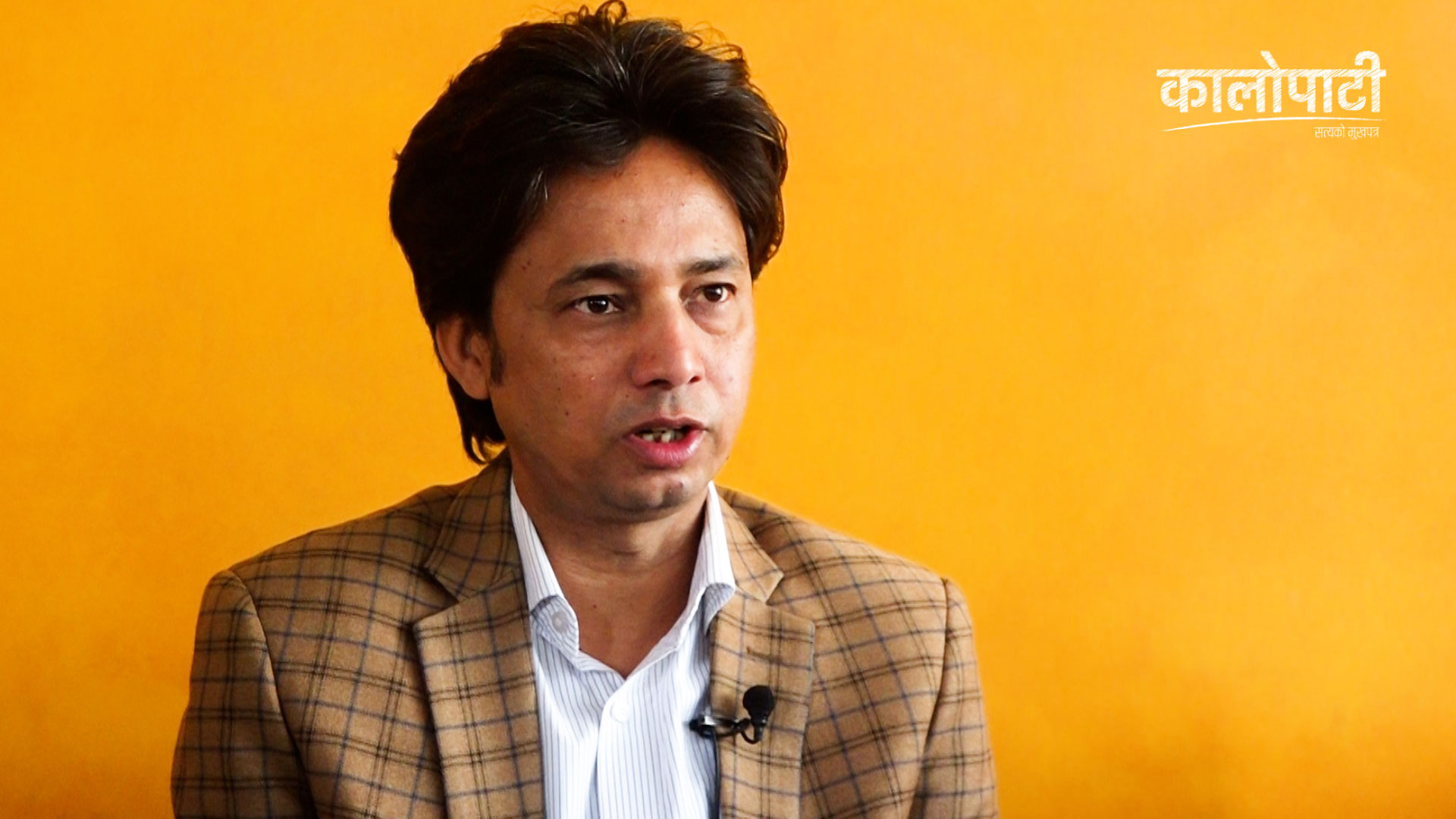

Kathmandu. The price of chemical fertilizers has been rising sharply due to rising tensions in the international market due to the ongoing war between Iran and Israel in the Middle East. Fertilizer prices were on the rise before the war, but they have been rising even more rapidly in recent years.
According to Ishwor Dallakoti, president of the Fertilizer Entrepreneurs Association, the price of fertiliser has increased by 25 to 30 percent in the international market at present.
According to him, the current price of DAP fertilizer is around $ 900 to $ 980 per tonne, while the price of urea is around $ 750 to $ 850. He said that it is difficult to get potash due to shortage in the international market. Normally, the price of chemical fertilisers would be between $450 and $600 per tonne.
Most of the fertilisers imported into Nepal are imported from China, Vietnam and West Asian countries. But supply chain disruptions caused by the war have hampered price increases and availability.
He also said that there is uncertainty in the upcoming tender process of the agricultural inputs company. “Suppliers may not participate in the tender if fertilizer is not available in the international market,” he said. According to him, in such a situation, there is a risk that international middlemen will dominate and the price of fertilizers will become more expensive.
According to him, the government currently has around 170,000 metric tonnes of fertiliser in stock. However, he said that this stock will not be enough by the time the planting season approaches. Around 50,000 to 60,000 metric tonnes of fertiliser will be consumed by the end of this month and the remaining stock will not be able to meet the requirement.
He said that the informal fertiliser coming from India is also likely to decrease. “As the shortage has increased in India, the import of fertilizers from the bordering areas is also likely to decrease,” he said.
He warned that the shortage of urea would be even more serious especially for ‘top dressing’ to be done in 45 days after paddy planting. “It is a big problem for the top dress,” he said.
As a solution, Dallakoti suggested that Bangladesh and China be used as alternative sources. Giving the example of Bangladesh importing 52,000 metric tonnes of urea in the past, he stressed the need for diplomatic initiatives again. Similarly, imports with China could also be increased through the northern border point or sea route, he said.
He suggested shortening the tender process to take decision within 7-15 days and involving the private sector. He also pointed out the need to construct large capacity warehouses for long-term solution and purchase fertilizer when it is cheaper to maintain buffer stock.
“If the government does not take a decision on time, the shortage of fertiliser could worsen in the coming days,” he warned.
Bangladesh and China should work together to resolve the crisis
He said that Bangladesh and China should be the main options for the immediate solution to the chemical fertilizer crisis. According to him, the disruption of the Hormuz waterway has increased the risk of disruption of supply as most of the goods currently being used go through West Asia. “We now see Bangladesh as the most viable option,” he said.
According to Dallakoti, although Bangladesh annually requires around 16 lakh metric tonnes of fertiliser, there is sufficient stock there. Stating that Nepal had already imported 52,000 metric tonnes of urea fertilizer from Bangladesh through the G2G process in the past, he said the same model could be brought again through diplomatic initiative. “Fertilizer can be easily brought from Bangladesh through both trucks and ships,” he said.
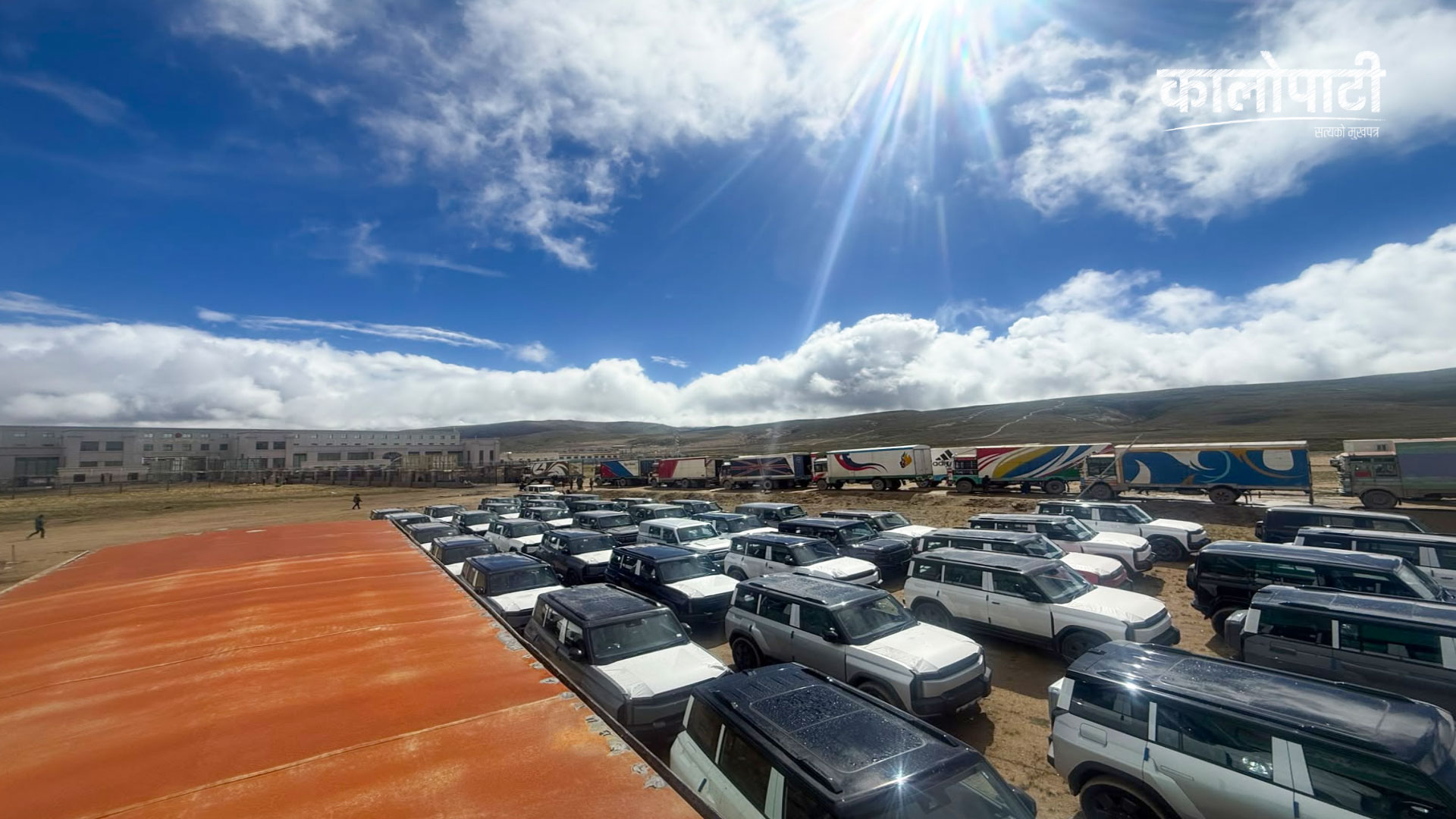
Pointing towards China as the second option, he said Nepal could import a large chunk of its annual requirement as there would be huge productions. “Fertilizer can be imported in small quantities on a regular basis using the northern border point,” he said. According to him, the supply management would be easier if 10,000 metric tons could be brought in every 15 days.
Dallakoti warned that the shortage of fertilizers would have a direct impact on agricultural production. “Fertilizer is essential for major crops like paddy, maize and wheat. According to him, there has been an experience of reducing production due to shortage of fertilizers in the past.
Indicating that the risk to food security will also increase, he said that Nepal may have to increase the import of rice and other foodstuffs. “When production decreases, imports increase, which puts more pressure on the economy,” he said.
To find a solution, he suggested emphasizing high-yielding crops and increasing the use of organic fertilizers and micronutrients. Stating that there are around 25-30 micronutrient industries in Nepal, he said that coordination should be maintained with them.
He also pointed out the challenge of setting up a fertilizer factory in Nepal. “It is not possible to produce urea in Nepal due to lack of natural gas,” he said. According to him, billions of rupees will be required to set up such industries and it may be difficult to operate in the long run.
He suggested that industries producing DAP and balance fertilizer could be established instead. He said that urea can be used as an alternative to urea in some crops as micronutrients like boron, iron and sulphur are added to these fertilizers. “Concrete progress can be made towards resolving fertilizer crisis if the government formulates long-term policy and collaborates with the private sector,” he said.
Suggestions to increase the role of private sector in fertilizer import
As the chemical fertilizer supply crisis deepens in Nepal, there are concerns that it will have a serious impact on agricultural production and food security. Dallakoti has warned that if the situation is not under control, there could be a crisis like Sri Lanka’s.
According to him, chemical fertilizers are essential for major food crops such as paddy, maize and wheat. “It is not possible to produce these crops without chemical fertilizers, and if we do not use them, the yield can be reduced by up to 30 percent,” he said.
He said that organic fertilizer can be used in vegetables and high-value crops. He, however, stressed the need to use balanced fertilizers in staple food crops. “The argument that the soil is degraded is valid, but the solution is to use balanced fertilizers, not to give up chemical fertilizers completely,” Dallakoti explains.
Pointing out that fertilizer distribution system in Nepal was weak, he pointed out the need of improvement. He claimed that the system currently being distributed through cooperatives is not effective. “Many cooperatives are under local political influence. As a result, it is difficult to reach the real farmers,” he said. According to him, the private sector should be actively involved in everything from import to distribution for the solution. “The private sector has warehouses, financial resources and the capacity to work quickly, so they should be included,” he suggested.
Dallakoti cited the Bangladesh model as an example, where urea is managed by the government and other fertilisers by the private sector. He said that this model can be implemented in Nepal as well. He said that Nepal needs around 7-8 lakh metric tonnes of fertilizer annually but the shortage is repeated due to lack of effective supply management.
He said that production has also been affected due to the war in the international market. He said some fertiliser factories in Saudi Arabia and Egypt had shut down, while natural gas shortages in China had affected production. “Natural gas is the main raw material for fertilizer production, most of which comes from the Middle East,” he said.
Stating that production is being done in some countries including Uzbekistan, he said that the government should take initiative for such new sources as well.
He pointed out that there is a risk that the fertilizer brought through the tender process will also be affected due to the increasing volatility in the international market. “Despite the tender, there is a possibility that the fertilizer will not be supplied due to the obstruction in the supply,” he said. “Even if the war stops in a short time, its impact will not go away immediately,” he warned, adding that the fertilizer crisis could worsen in the coming days if policies were not corrected in time and alternative supply arrangements.
प्रतिक्रिया दिनुहोस्