








 सुनचाँदी
 विनिमयदर
 मिति रुपान्तरण
 पेट्रोलको भाउ
 तरकारी / फलफूल
 मेरो एउटा कुरा छ
 AQI
AQI मौसम
मौसम स्न्याप
 रेडियो लाइभ
 बैंक ब्याजदर
 युनिकोड टुल्स
 सेयर मार्केट्स
 राशिफल
 सिनेमा बोर्ड
 निर्वाचन पोर्टल

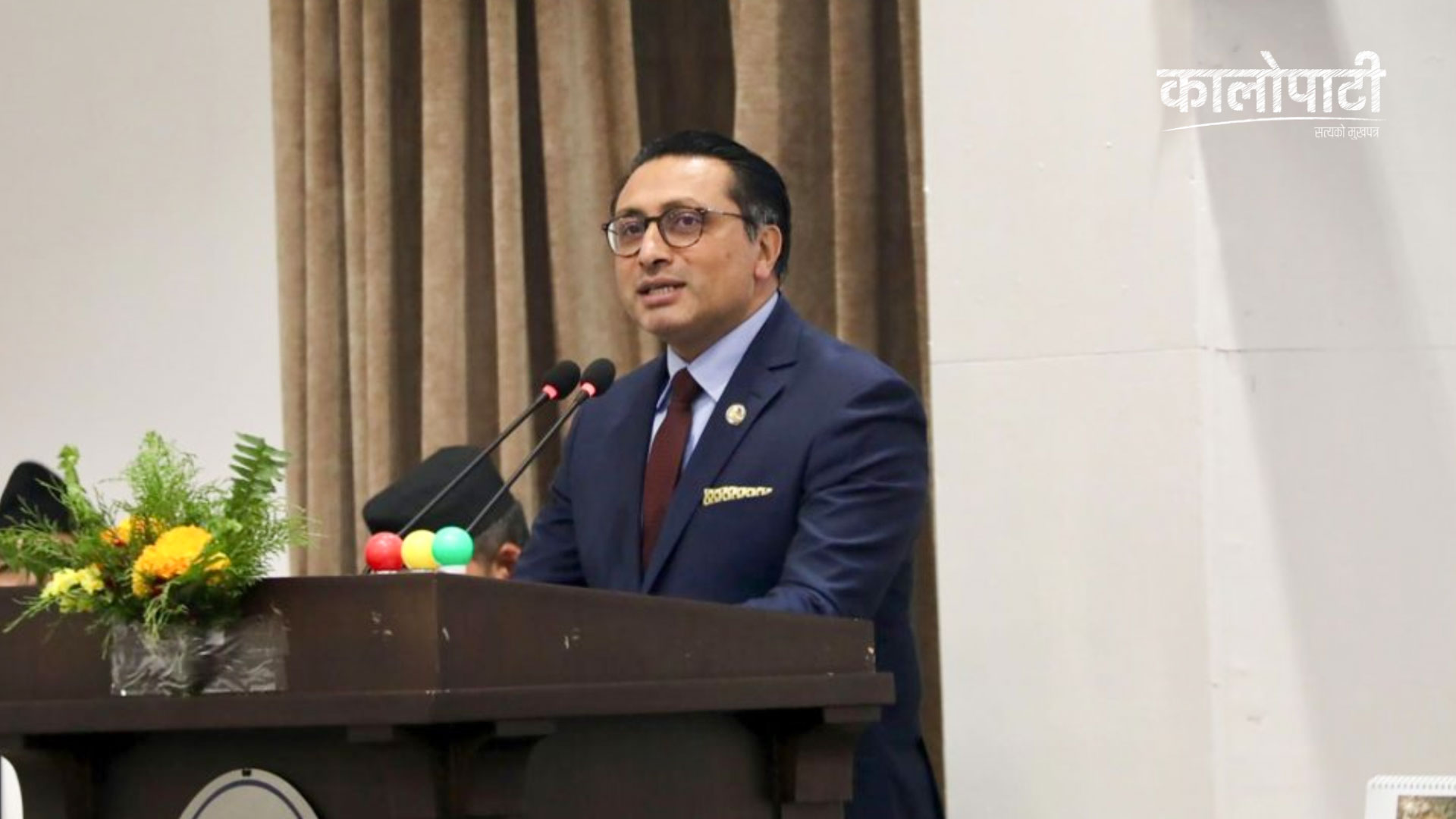
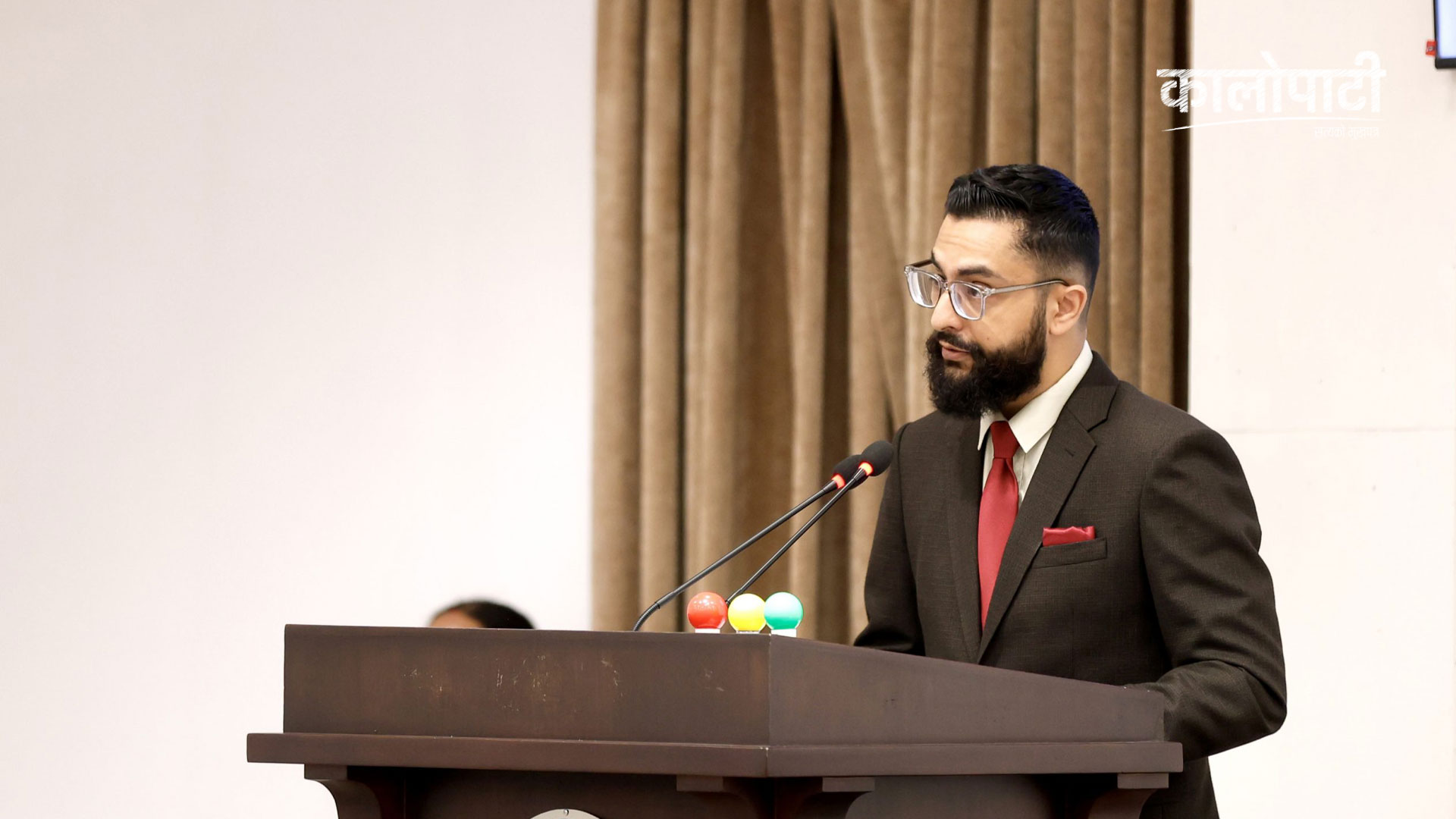
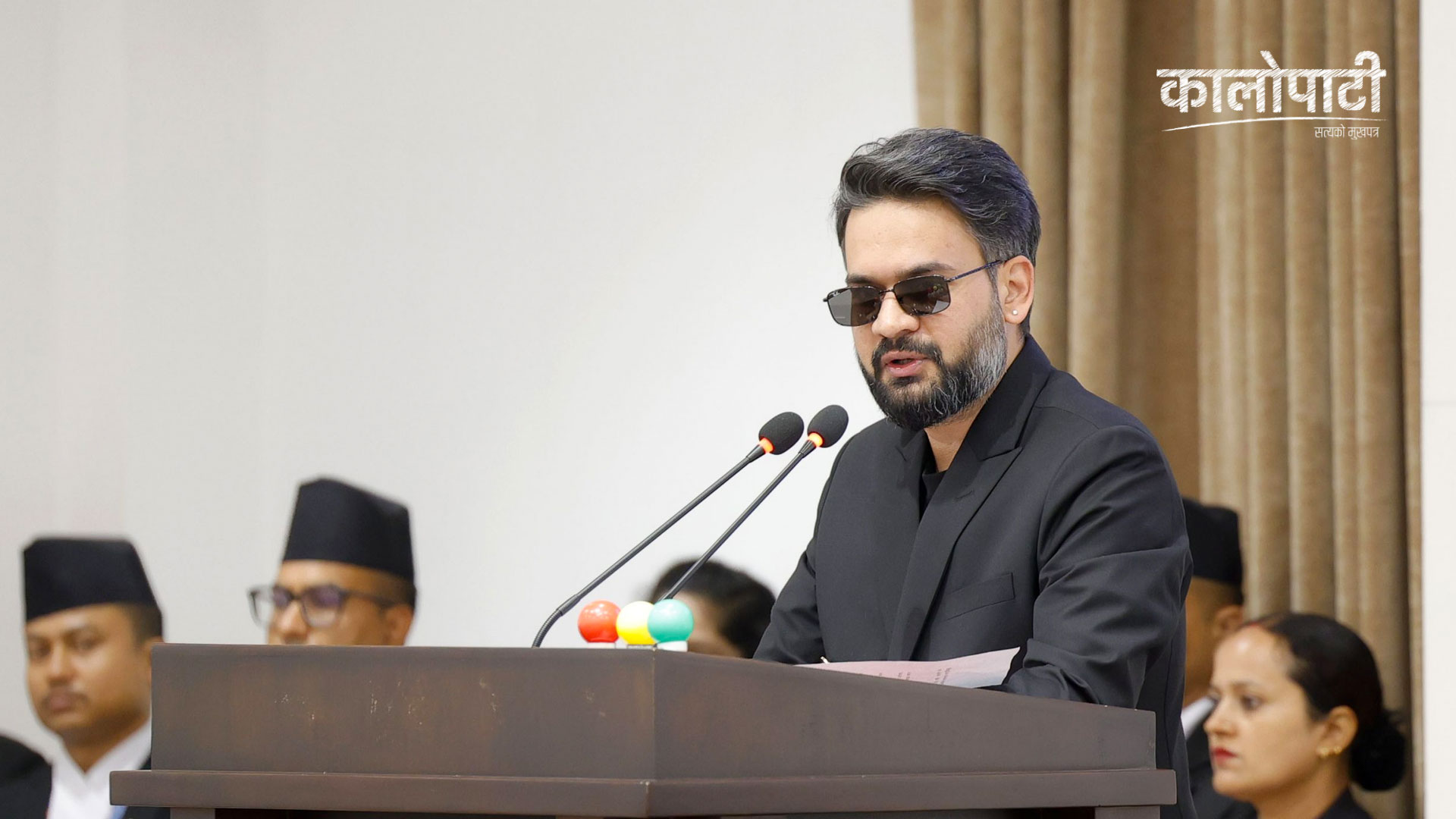
Kathmandu. Finance Minister Dr. The Economic Survey of the fiscal year 2082/83 presented by Swarnim Wagle in the federal parliament has stated that Nepal’s macroeconomic indicators have improved even amidst uncertainties in the world economy and regional conflicts.
According to the survey, Nepal’s economy is projected to expand by 3.85 percent in the current fiscal year. The government has claimed that Nepal’s growth rate is positive amid the expectation of a contraction of the global economy by 3.1 percent. During this period, the total size of the economy is expected to be 6.6 trillion rupees and the per capita national income will be $ 1,535.
The economic growth rate of Bagmati and Gandaki provinces is expected to be above the national average while other provinces are expected to grow below the average. The contribution of agriculture sector to the Gross Domestic Product (GDP) is estimated to be 24 per cent while the non-agriculture sector is estimated to be 76 per cent. According to the survey, Bagmati Province will continue to dominate the economic activities and contribute 36.7 percent to the GDP.
Rice production declined by 4.20 percent to 5.75 million metric tons, indicating that the challenge in the agriculture sector continues. In terms of revenue and expenditure, the federal revenue increased by 3.2 percent and the government expenditure increased by 10.4 percent. However, the survey shows that capital expenditure is relatively weak.
Public debt has reached Rs 2,878 billion, which is 43.6 percent of GDP. In the current fiscal year, the government has mobilized Rs 300 billion in public loan.
The survey has shown strong external sector indicators. The remittance inflow has increased by 37.7 per cent and reached Rs 1.45 trillion. The foreign exchange reserves have reached Rs 3.414 trillion, which has the capacity to sustain the import of goods and services for 18.5 months. However, the trade deficit widened by 11.2 percent to Rs 1098 trillion, a major challenge for the economy.
There has also been a significant expansion in technology-friendly payment systems. According to the survey, transactions through QR codes have crossed Rs 125 billion till mid-March. Overall, the Economic Survey indicated that while the external sector strengthened and the macro indicators improved, the challenges to domestic production, investment and trade balance still persist.
प्रतिक्रिया दिनुहोस्