












 सुनचाँदी
 विनिमयदर
 मिति रुपान्तरण
 पेट्रोलको भाउ
 तरकारी / फलफूल
 मेरो एउटा कुरा छ
 AQI
AQI मौसम
मौसम स्न्याप
 रेडियो लाइभ
 बैंक ब्याजदर
 युनिकोड टुल्स
 सेयर मार्केट्स
 राशिफल
 सिनेमा बोर्ड
 निर्वाचन पोर्टल

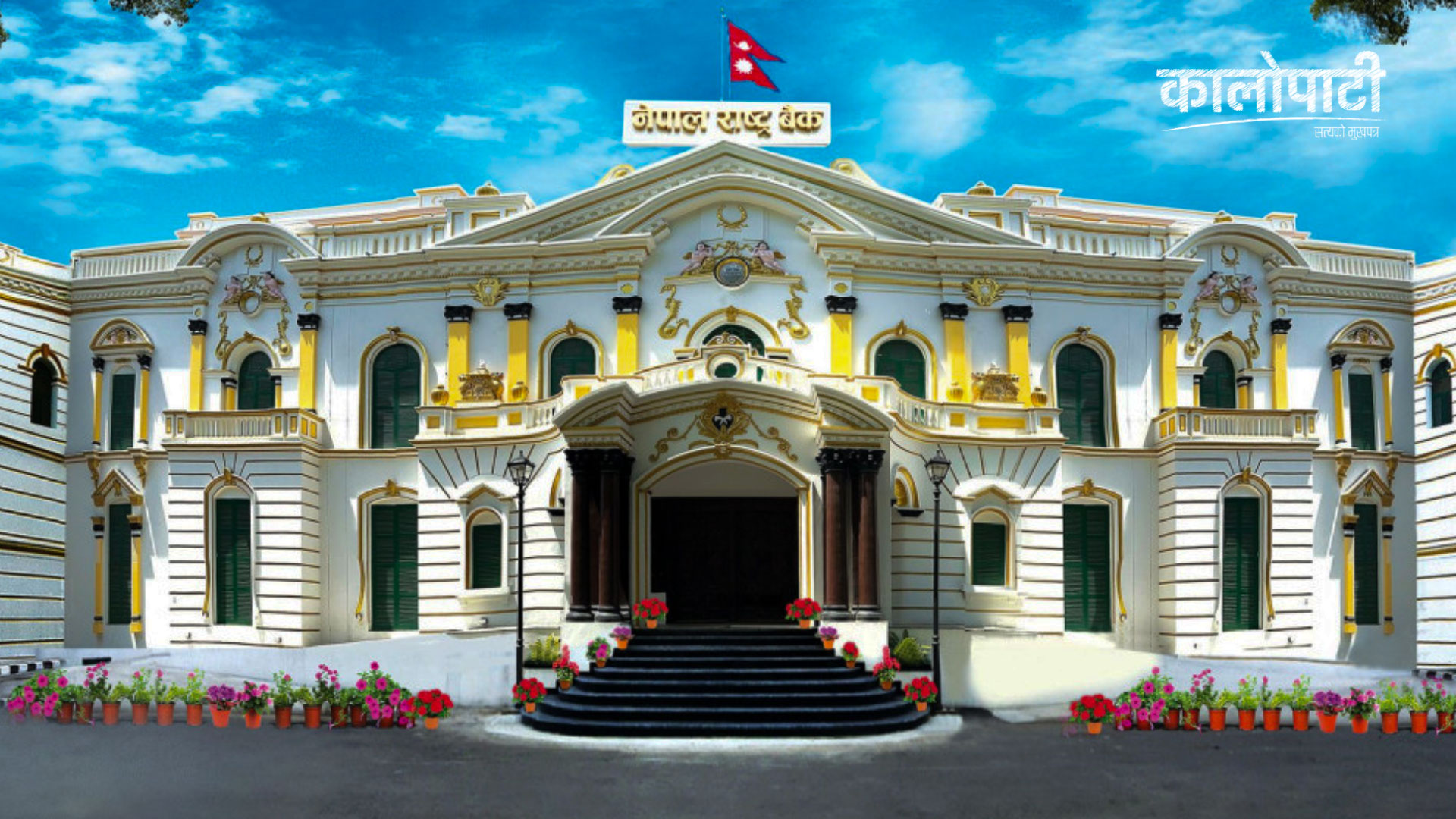
Kathmandu. KATHMANDU: Nepal Rastra Bank (NRB) has decided to withdraw money worth Rs 60 billion from the deposit collection instrument to manage excess liquidity seen in the banking system. The central bank has been using such tools to control excess liquidity that has piled up in the market over the past few weeks.
According to the Nepal Rastra Bank, the bidding process will begin at 3:00 pm today. Banks and financial institutions will have the opportunity to participate in the process and deposit their deposits in the central bank.
According to the notice issued by the central bank, the banks and financial institutions willing to provide deposits can bid up to a minimum of Rs 100 million and a maximum of Rs 50 million while dividing the remaining share. Nepal Rastra Bank (NRB) has made it clear that the bidding can be done on the basis of interest rate and multiple bidding can also be done at multiple interest rates.
The deposit collection instrument will be valid for 23 days. According to the NRB, the principal and interest of the collected amount will be paid on July 2.
In the banking system, liquidity has increased significantly in recent times due to the comparatively weak demand for loans. This has eased pressure on interbank interest rates and made liquidity management challenging. In such a situation, the central bank has been adopting the policy of drawing excess money from the market by using deposit collection tools under open market operations.
According to experts, there is a risk of imbalances in the banking system, destabilizing interest rates and affecting the effectiveness of monetary policy. Therefore, the Rastra Bank has been trying to maintain market balance by using such instruments from time to time.
It is stated that the NRB aims to channelize surplus liquidity in the banks and financial institutions to productive sectors under the current monetary management strategy. However, due to the lack of demand for loans, there is a situation of money in the banks.
In this context, the central bank has been continuously withdrawing billions of rupees from the market through deposit collection tools. Analysts say that although this will manage liquidity in the short term, in the long run, the main challenge is to expand credit flow and increase economic activity.
According to banking sector officials, such a move by the NRB is expected to help stabilize the interbank market. At the same time, it will also play a role in preventing excessive fluctuations in interest rates.
The central bank has indicated that it may use more liquidity management tools in the coming days depending on the market situation. Thus, the liquidity management policy adopted by the NRB seems to be focused on maintaining banking system balance and monetary stability.
प्रतिक्रिया दिनुहोस्