







 सुनचाँदी
 विनिमयदर
 मिति रुपान्तरण
 पेट्रोलको भाउ
 तरकारी / फलफूल
 मेरो एउटा कुरा छ
 AQI
 मौसम
 स्न्याप

 रेडियो लाइभ
 बैंक ब्याजदर
 युनिकोड टुल्स
 सेयर मार्केट्स
 राशिफल
 सिनेमा बोर्ड
 निर्वाचन पोर्टल


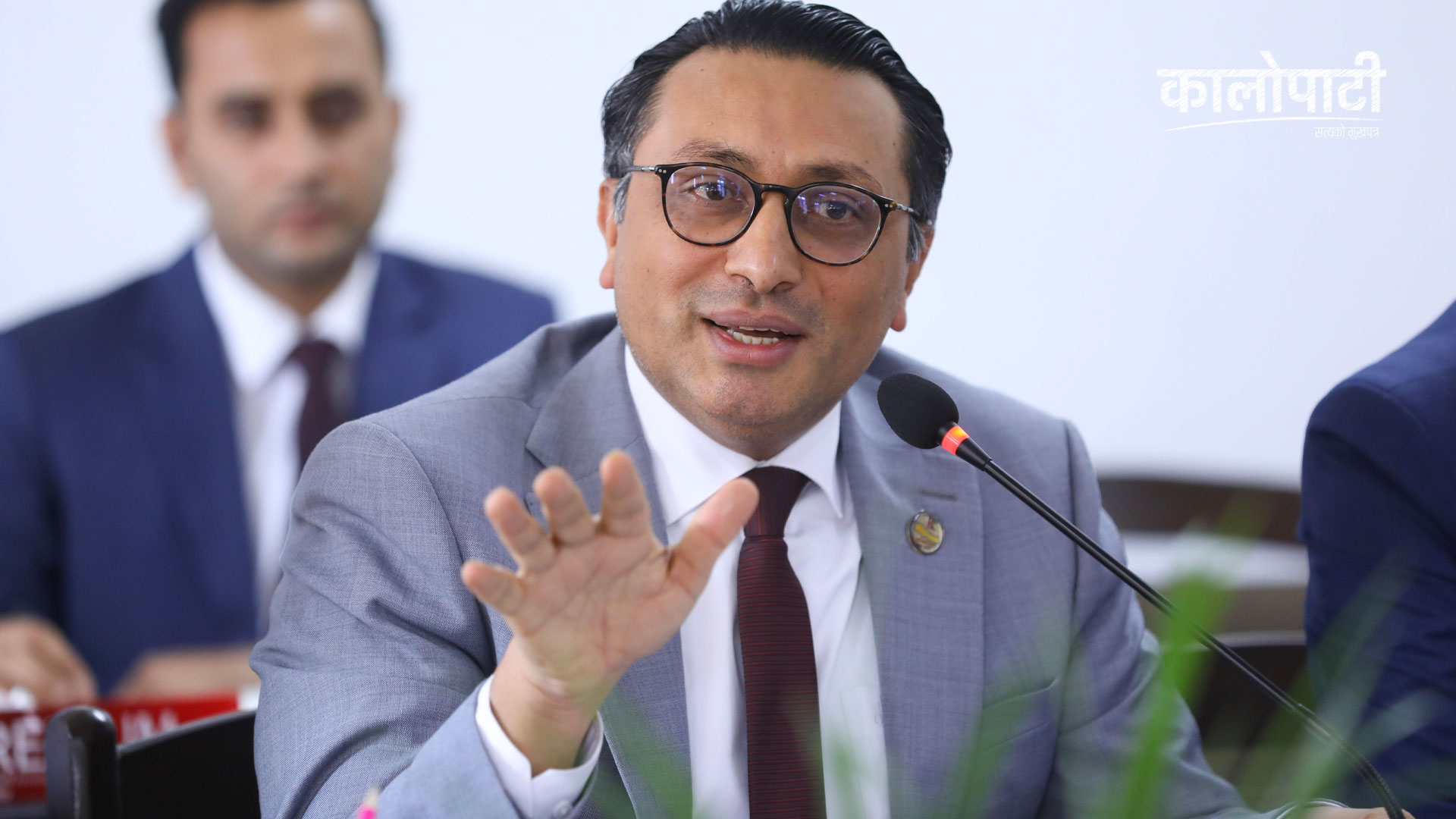
Kathmandu. Finance Minister Dr. Leaders of various political parties, diplomats, analysts and artists have seriously objected to Swarnim Wagle’s recent remarks on Nepal’s nationalism and relations with India at an international forum in New Delhi, which has sparked intense debate and debate in intellectual and political circles on this issue.
Finance Minister Dr. Swarnim Wagle, speaking at the ‘AnytimeTV World Summit 2026’ held in New Delhi on October 23, had said that nationalism was once seen as an anti-India sentiment, but that era is now over and the relationship between Nepal and India is separate and the new political leadership wants to further strengthen the bilateral relations and take them to new heights. Critics have described it as against the national interest and an attempt to please India.
According to analysts, Nepal-India relations should be centered on concrete agendas such as trade, energy cooperation and technology exchange rather than on emotional slogans, but it is necessary to clearly keep Nepal’s independence, territorial integrity and equidistant policy while giving the message of such cooperation. Some believe that the dispute could have been avoided if restraint diplomatic language had been used.
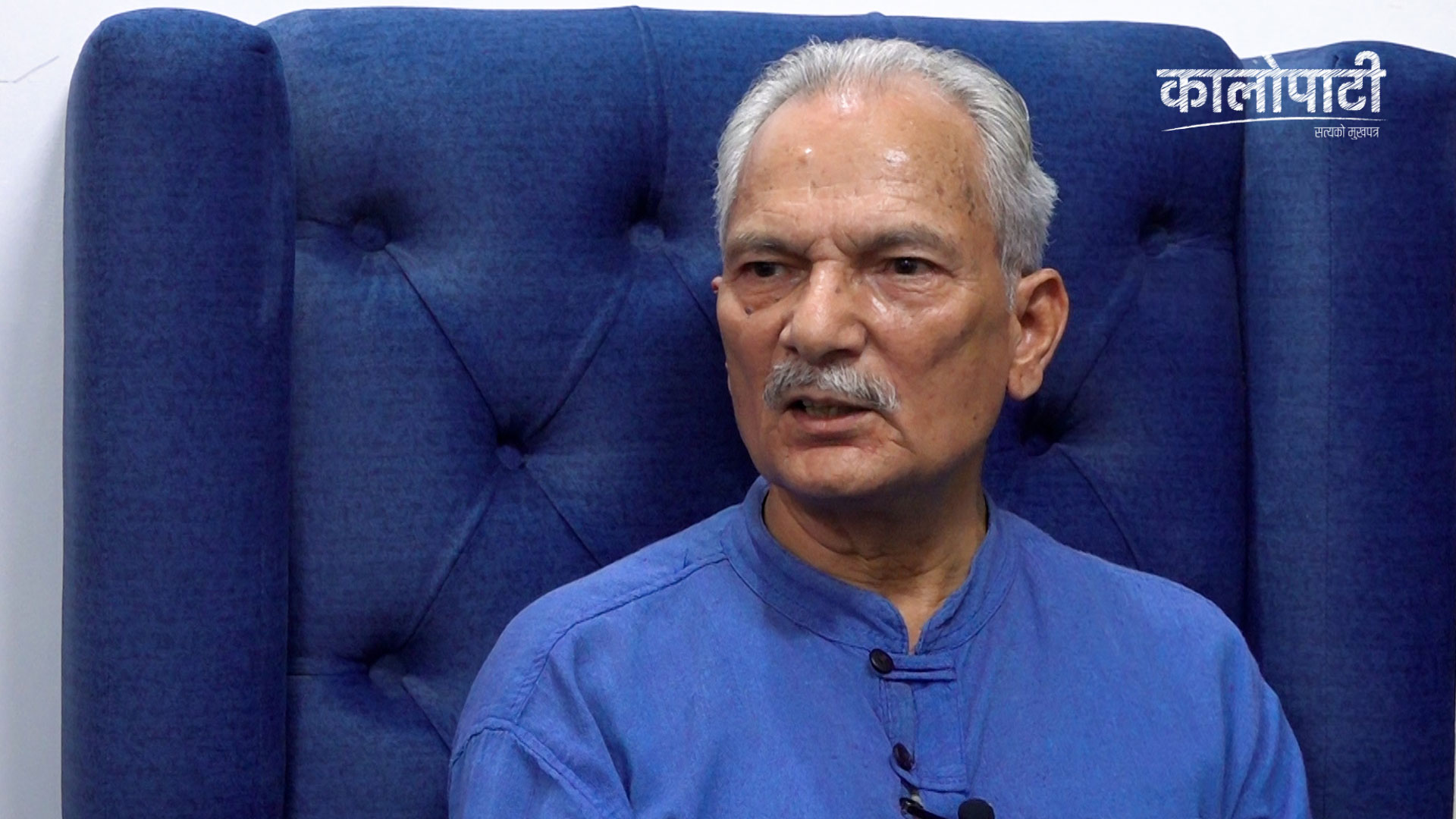
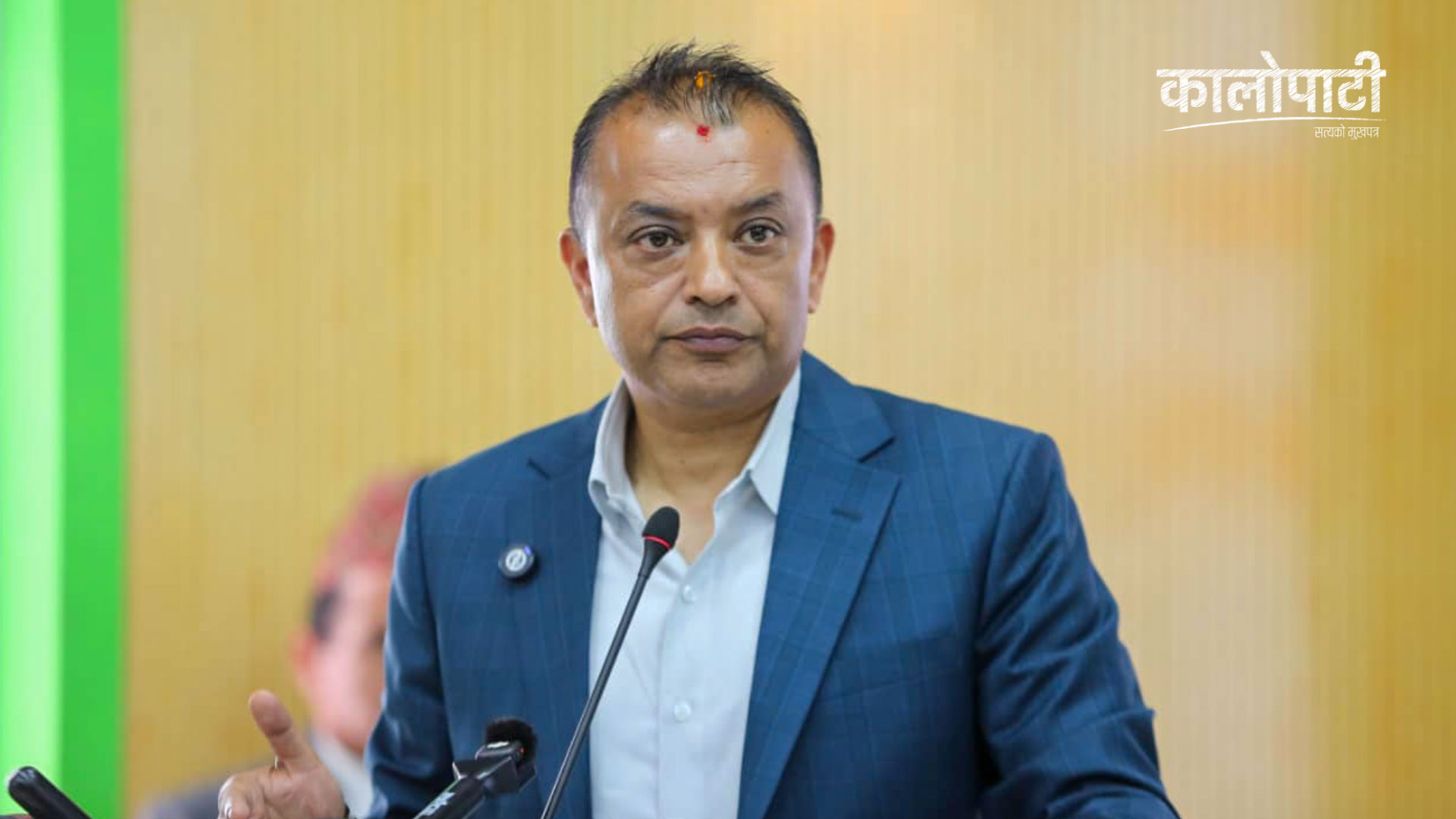
CPN-UML leader and former foreign minister Pradeep Gyawali claimed that there has never been an era of ‘anti-India nationalism’ in Nepal. He argues that raising the issues of border disputes, trade deficit and blockade is not against India but is protecting national interests. RPP leader and former foreign minister Kamal Thapa said that this statement has devalued Nepali nationality and demanded an answer from the Prime Minister whether it is the official position of the government. Neeraj Acharya, head of the publicity department of the UML, said that it is against diplomatic decorum to call the nationalist view of one’s own country outdated on the platform of a third country. Leader Gokul Baskota strongly criticized through social media.
Former Foreign Minister Narayan Kaji Shrestha and foreign affairs expert Dr. Dinesh Bhattarai said that the statement was against the national interest. Analysts including Professor Tara Bhusal of Tribhuvan University argued that even if blind nationalism is wrong, supporting India’s point of view will overshadow Nepal’s geographical and economic concerns. According to them, trying to find the legitimacy of Delhi will hurt independent foreign policy. UML Foreign Department Head Dr. Rajan Bhattarai questioned how it is anti-India to speak about the inundation caused by the infrastructure built by India on the southern border, the obstruction of agricultural production and India’s stand on energy trade.
Filmmaker Rajesh Hamal also said that the minister has crossed the limits of office and the issue of relations between the two countries should not be a medium of personal publicity. He said that the Finance Minister’s statement has hurt Nepal’s sovereignty, self-respect and dignity of foreign policy and it should not be made a matter of personal or political gain.
Although it is welcome to strengthen the historical, cultural and people-to-people relations between Nepal and India, the representatives of different countries should not lose diplomatic decorum and balance.
He said that the government should take a clear stand on serious issues such as border disputes and economic dependencies through established diplomatic channels and dialogues rather than fake rhetoric or bureaucracy. Friendship with neighbours and national sovereignty are complementary to each other. He said that Nepal can be a reliable partner only if it sticks to its independent identity and national interest. Critics have pointed to trade deficit, non-tariff barriers, Indian monopoly in energy trade, Kalapani-Lipulekh-Limpiyadhura border dispute and inundation caused by dams as major unresolved concerns for Nepal.
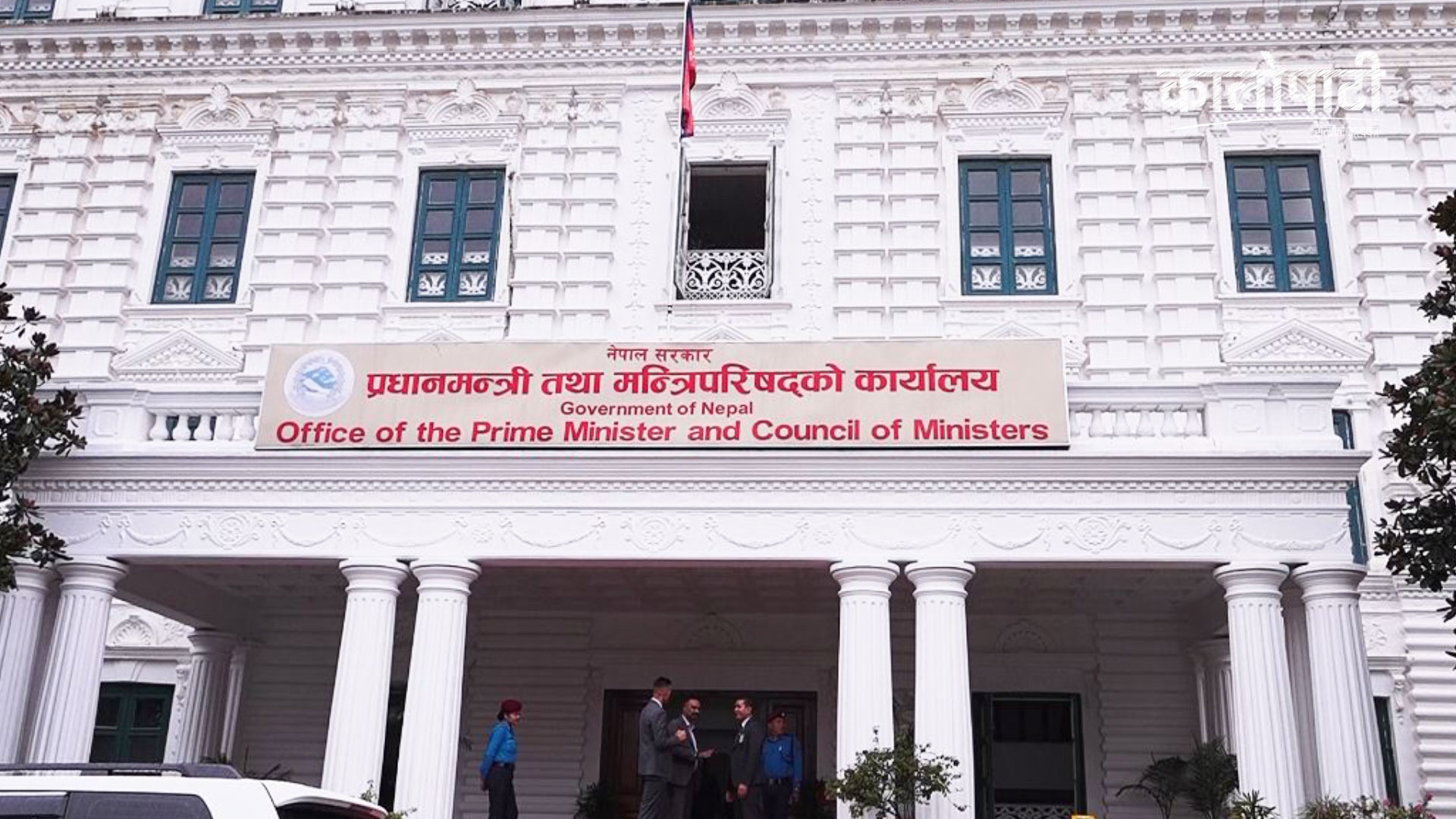
In their argument, instead of taking a firm stand on these issues, calling the nationalist point of view irrelevant weakens Nepal’s diplomatic credibility. The Government of Nepal has not yet made any formal or official response or clarification to Finance Minister Wagle’s statement. However, Finance Minister Wagle said that the present government led by Balen Shah is committed to establishing stronger and positive economic and strategic relations with India. His statement reflects the internal policy of the government to give priority to common economic interests and cooperation rather than only emphasizing differences with neighboring countries.
प्रतिक्रिया दिनुहोस्