
 सुनचाँदी
 विनिमयदर
 मिति रुपान्तरण
 पेट्रोलको भाउ
 तरकारी / फलफूल
 मेरो एउटा कुरा छ
 AQI
AQI मौसम
मौसम स्न्याप
 रेडियो लाइभ
 बैंक ब्याजदर
 युनिकोड टुल्स
 सेयर मार्केट्स
 राशिफल
 सिनेमा बोर्ड
 निर्वाचन पोर्टल
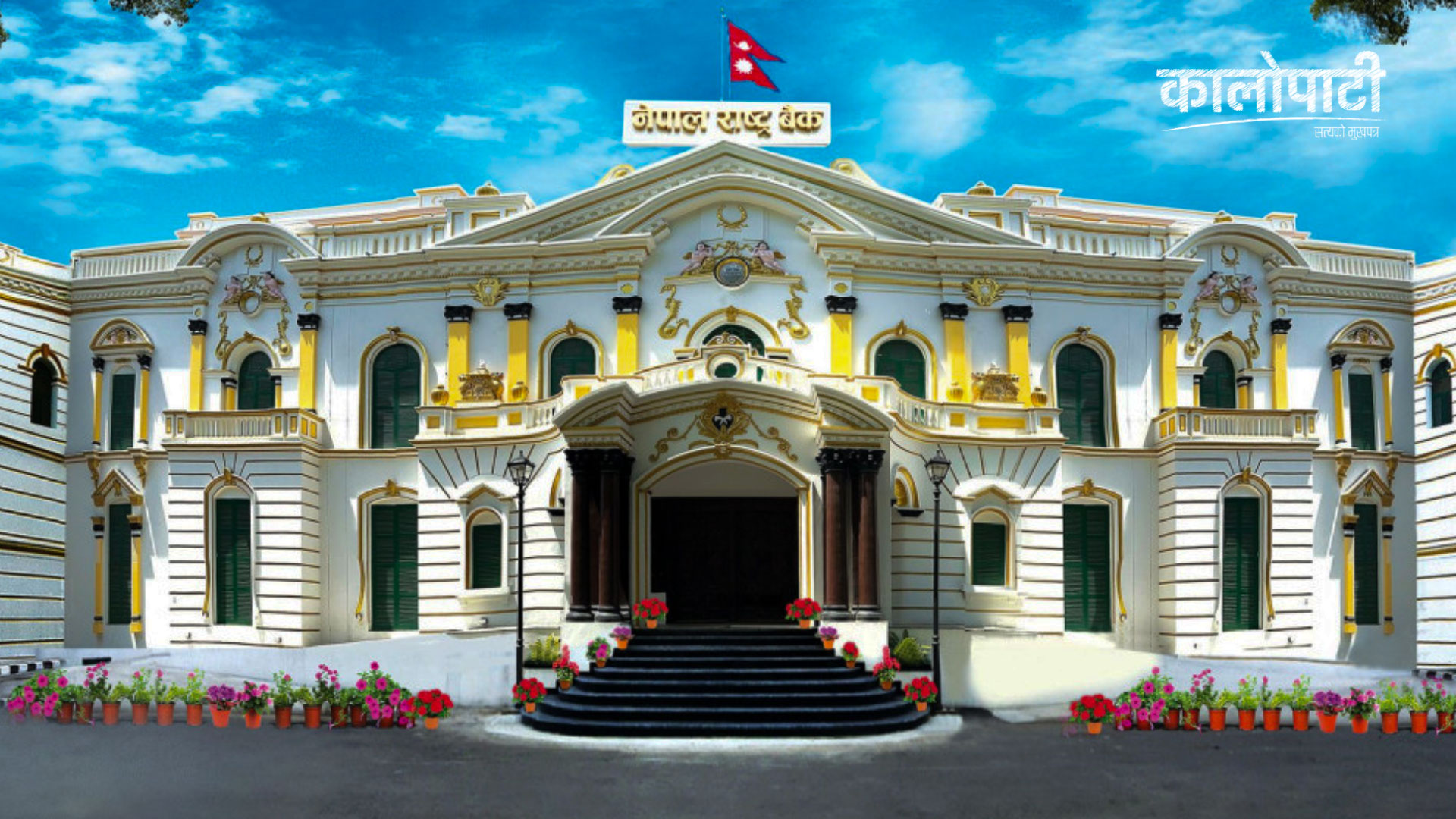

Kathmandu. Nepal’s economic growth rate has historically been around 4 percent. According to the macroeconomic report released by the Nepal Rastra Bank (NRB) on Tuesday, the decade from 1986 to 1995 is considered a period of economic expansion, where the average growth rate was above the expected growth rate of 4.3 percent.
In the years since, growth has stabilized around potential levels, but the industrial sector has been gradually weakening. The industrial sector, which accounted for 8.2 percent of the gross domestic product (GDP) in 1975, increased to 22.2 percent by 1995. But in the three decades since 1995, the industry sector has gradually shrunk to 12.8 percent by 2025.
This has been analysed as a result of premature industrialization. In the meantime, Nepal suffered four major shocks: the devastating earthquake of 2015, the political restructuring of the same year, the COVID-19 pandemic and the current Genji movement.
Rapid surge after earthquake, negative growth after COVID
}
In the last 10 years (FY 2071/72-2081/82), Nepal’s economy has grown at an average rate of 4.2 percent. After the 2015 earthquake, the GDP growth rate in 2015/16 fell to 0.4 percent. But the subsequent reconstruction activities achieved a high economic growth of 9 percent in 2016/17. According to the report, the industrial sector has grown by an unprecedented 17 percent due to the expansion of the construction sector. But in 2019/20, the economy went into negative growth due to the COVID-19 pandemic and since then the growth rate has been below 5 percent.
Service sector at 62 percent, share of agriculture and industry declining{
}
The contribution of the service sector to Nepal’s economy is more than 50 percent. In 2015/18, the contribution of agriculture, industry and service sector was 30.3 percent, 15 percent and 54.7 percent respectively. By the end of the decade, the contribution of agriculture had fallen to 25.2 percent, industry to 12.8 percent and service sector to 62 percent. This shows the increasing dominance of the service sector in the structure of the economy.
Aggregate demand dependent on consumption, private investment declines
}
Nepal’s overall demand is mainly consumption-based. Historically, private consumption has accounted for 85-90 per cent of GDP. In the last five years, the average private consumption has been 87.8 percent.
However, private investment has declined from 21.7 percent in 2078/79 to 15.7 percent in 2079/80 and has been declining since then. In 2079/80 BS, there was a sharp decline in both private consumption and investment due to the import control policy. Private investment has decreased by about 30 percent compared to 2078/79 BS while private consumption is still down by about 5.3 percent. This is considered to be the main reason for the economic slowdown after 2078/79.
signs of resurgence, but demand is still weak
In the fiscal year 2081/82, the total domestic demand reached 121.5 percent of GDP, which is still lower than 131.5 percent in 2078/79. However, the manufacturing sectors — construction, manufacturing, wholesale and retail — have recovered from negative growth in the last two years and returned to positive growth. Overall, the economy appears to be on the path to recovery, but there are signs that it will still take time to fully return to pre-Covid levels.
प्रतिक्रिया दिनुहोस्