


 सुनचाँदी
 विनिमयदर
 मिति रुपान्तरण
 पेट्रोलको भाउ
 तरकारी / फलफूल
 मेरो एउटा कुरा छ
 AQI
AQI मौसम
मौसम स्न्याप
 रेडियो लाइभ
 बैंक ब्याजदर
 युनिकोड टुल्स
 सेयर मार्केट्स
 राशिफल
 सिनेमा बोर्ड
 निर्वाचन पोर्टल
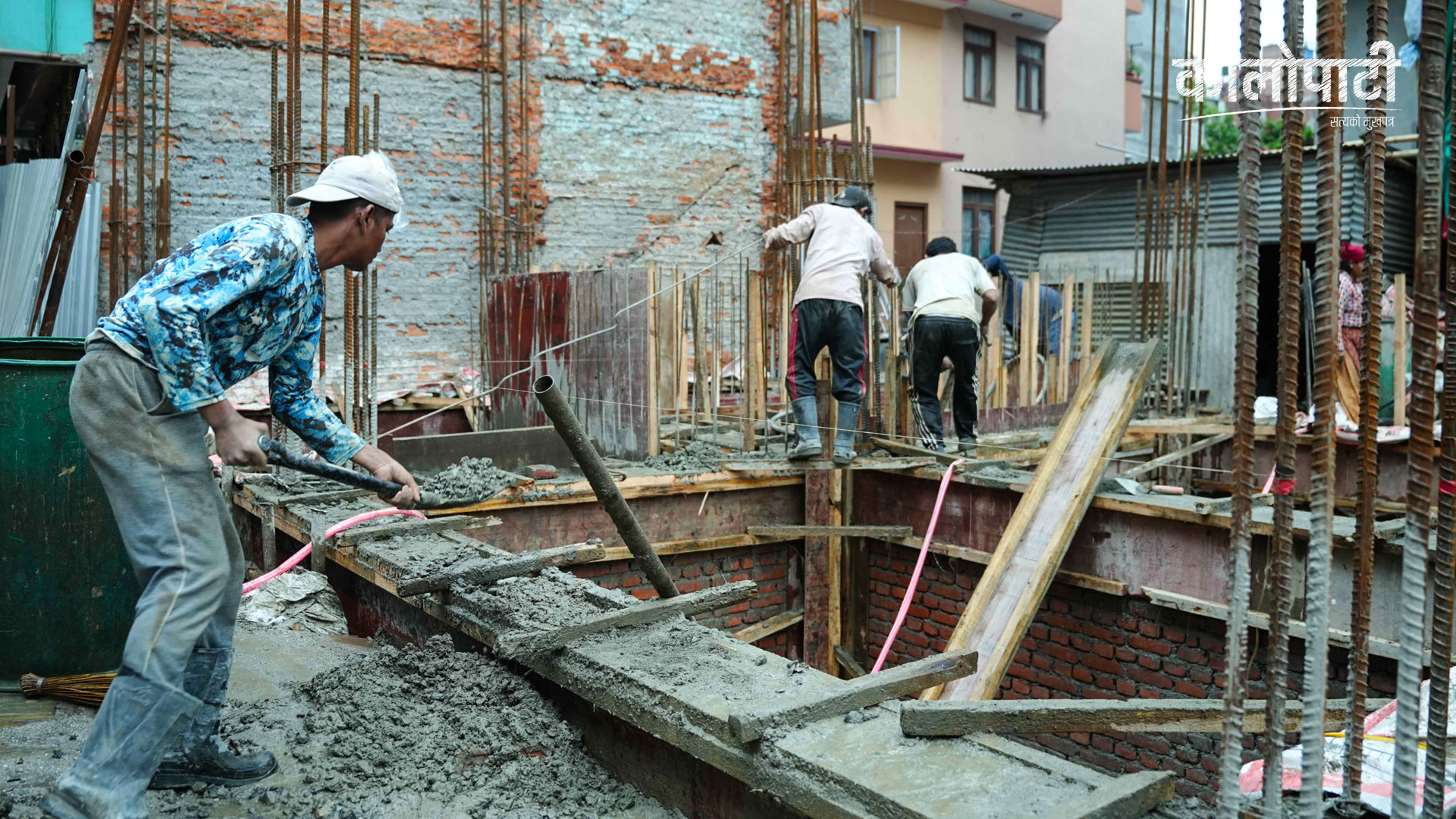

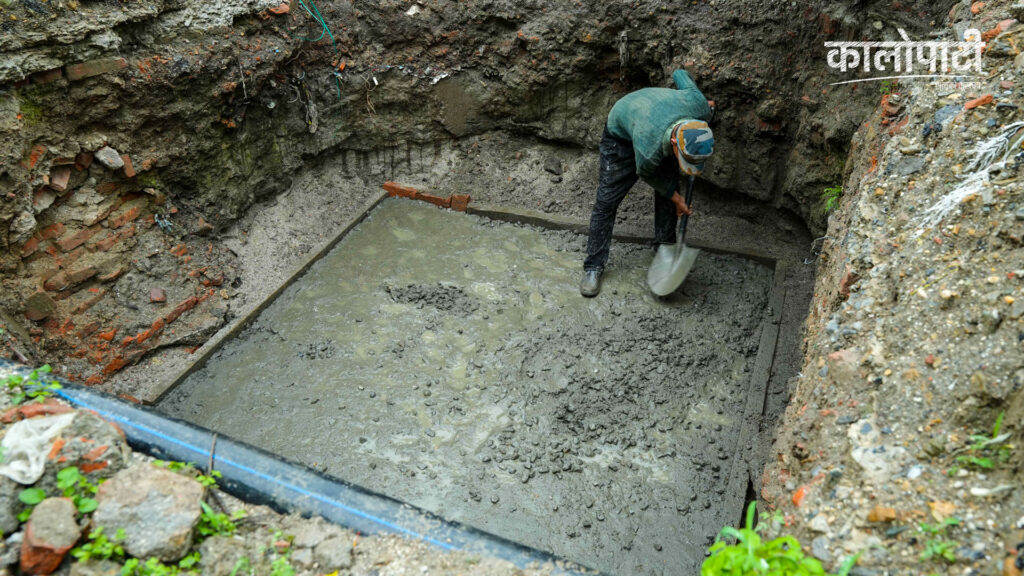
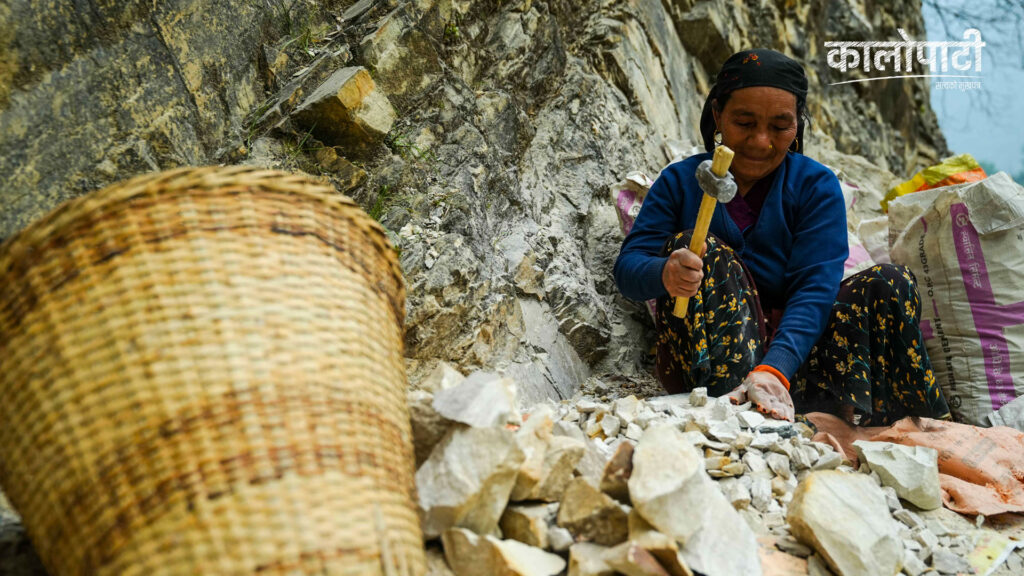
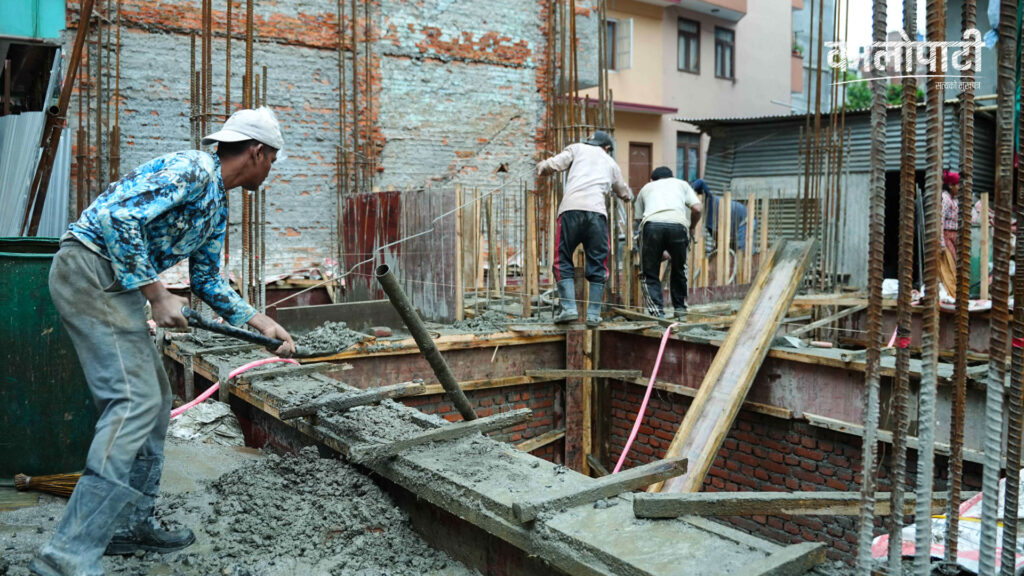
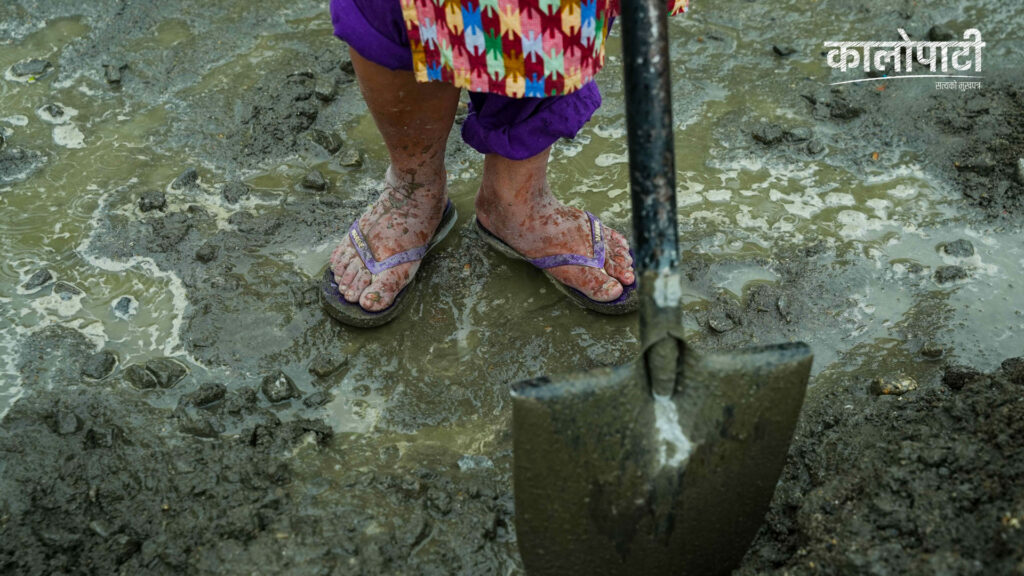
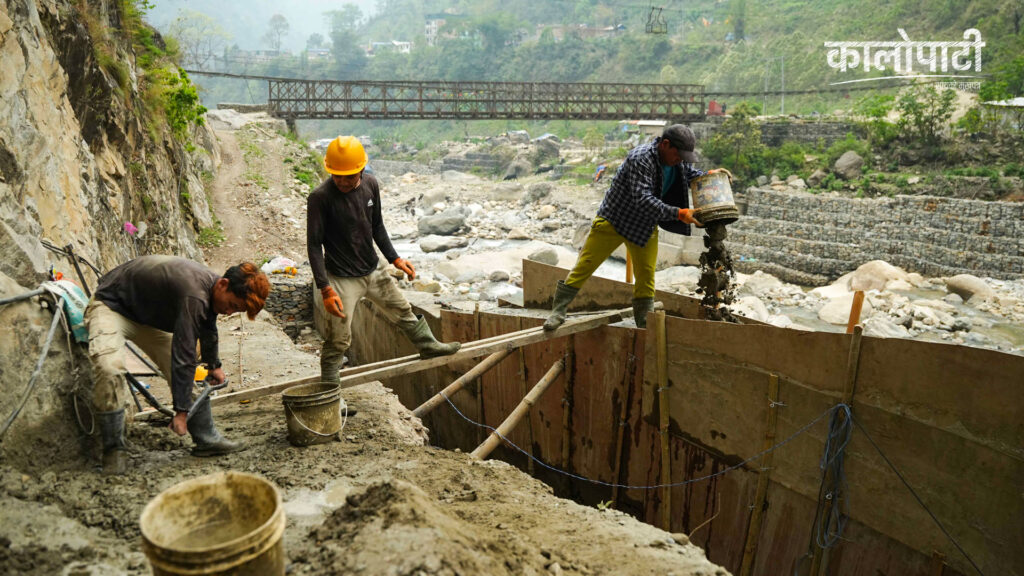
Kathmandu. International Workers’ Day is celebrated on May 1 every year. Most of the workers in Nepal are still deprived of basic rights on this day, which is celebrated in honor of the rights, rights and contributions of workers. In Nepal, more than 80 percent of the workers are involved in the informal sector. These workers, employed in sectors such as construction, agriculture, transportation, domestic work, etc., are forced to work without any clear labor agreement, social security or insurance benefits. Fixed working hours, minimum wages and a safe workplace are yet to be ensured for workers in the informal sector. The livelihood of daily wage earners is precarious as they can only earn money if they get work.
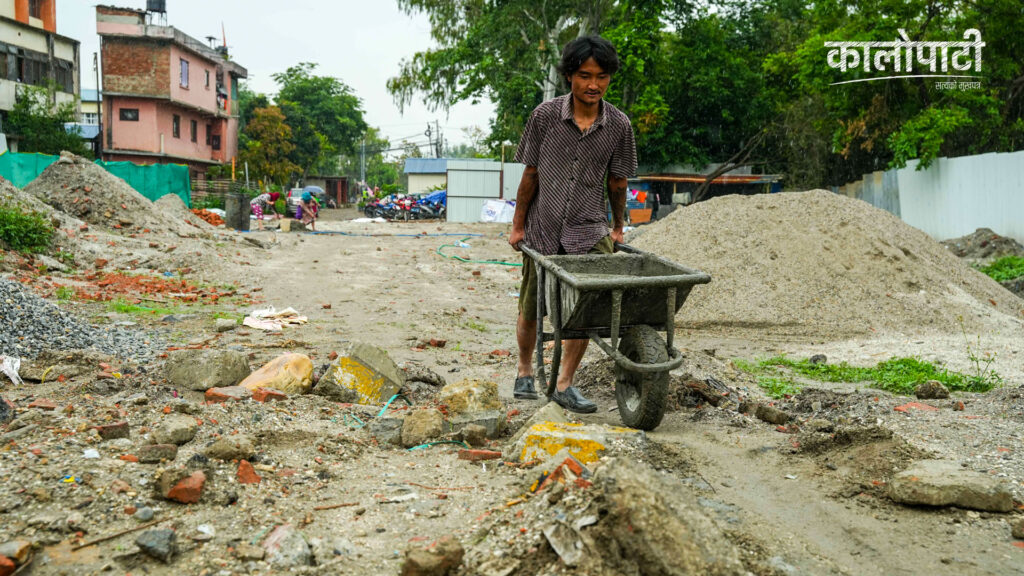
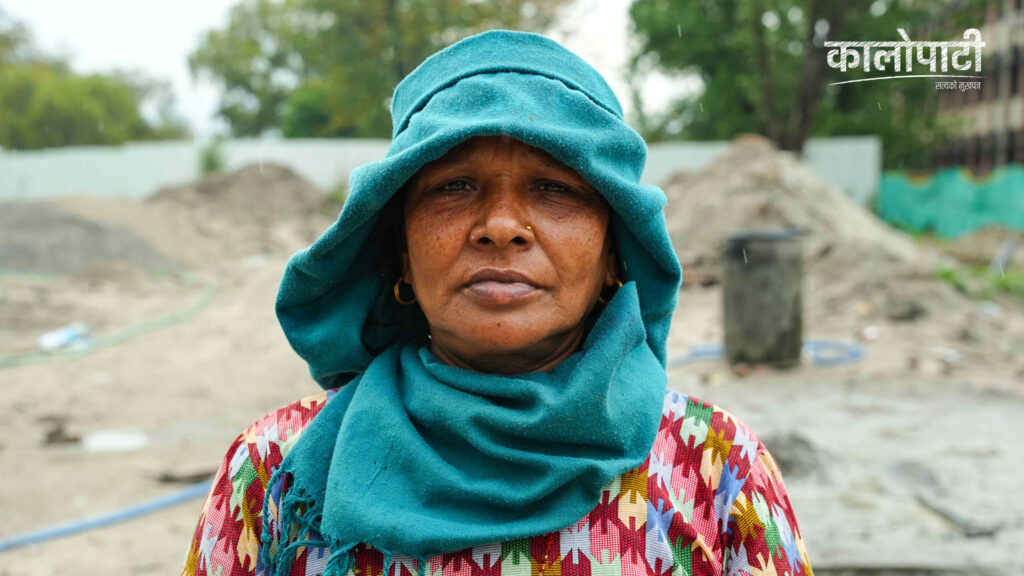
Geeta Lama, 55, who has been living at the holding center in Kirtipur after the demolition of the landless squatters in Thapathali, says, “Until now, even though I was a squatter, I had my own house. It is difficult to work for 1,000 wages per day, the price has increased, the food is needed, the 1,000 people have to wear it.
Bijay Magar, who has been living in a holding center from a squatter settlement, is in a similar situation. He said that now there is a smile to live on daily earnings, daily earnings are low, inflation is increasing. “The fare is equally expensive, there is nothing cheap in the market, I earn Rs 1,000 a day, I don’t always get work,” he said. The compulsion of going out in search of work in the morning and running the household in the evening with the wages is not only the reality of Geeta Lama and Bijaya Magar, but even now thousands of workers. On the day they don’t get work, they have trouble feeding their families.
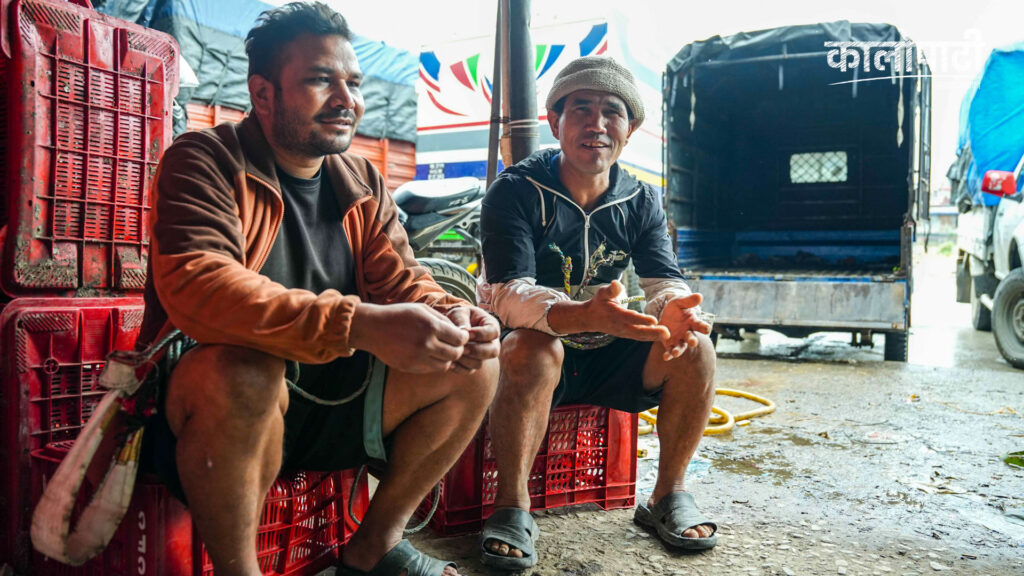
Tek Bahadur Sunar and Bir Bahadur Basnet, who come to Kathmandu from Salyan and carry heavy loads at Kuleshwor Fruit Market, are in a similar situation. They carry heavy loads on a daily basis, they are without income on days when there is no work, they have the responsibility of fulfilling all the responsibilities including the upbringing of the family, education and other responsibilities from the low earnings. So they can’t leave this miserable work.
{{TAG_OPEN_strong_22}Minimum Wage, Social Security and Insurance Out of Reach
The minimum wage set by the government has not been implemented in practice. Complaints of lower wages are widespread among workers, especially in the construction and small industry sectors. Despite repeated voices by trade unions, monitoring and implementation seem to be weak, and many workers in the informal sector have not been able to join the social security fund. The main reasons for this are temporary employment, lack of information and neglect of the employer. Due to this, workers are completely unsafe in the event of accidents, illness or unemployment.
In addition, women workers are at risk of low wages and dual labour in domestic work, agriculture and small industries. Similarly, the workers who have returned from foreign employment or migrated within the country are also trapped in the cycle of unstable employment. The rights of workers have not been ensured in practice as the rights of workers are limited to paper. Another challenge is the inability of workers to organize and have a weak voice. On the occasion of International Workers’ Day, there is a need to go beyond formal programs and slogans and take concrete initiatives towards solving the real problems of workers. Experts say that it will be difficult to achieve the goal of prosperity without ensuring respect for workers, fair wages, social security and a safe workplace.
प्रतिक्रिया दिनुहोस्