











 सुनचाँदी
 विनिमयदर
 मिति रुपान्तरण
 पेट्रोलको भाउ
 तरकारी / फलफूल
 मेरो एउटा कुरा छ
 AQI
AQI मौसम
मौसम स्न्याप
 रेडियो लाइभ
 बैंक ब्याजदर
 युनिकोड टुल्स
 सेयर मार्केट्स
 राशिफल
 सिनेमा बोर्ड
 निर्वाचन पोर्टल

Kathmandu. The government has decided to give a public holiday twice a week to reduce the consumption of petroleum products and to save foreign exchange reserves.
Stakeholders have expressed concern that it will have a serious impact on the education sector and the low-income class in the first place.
The stakeholders have expressed concern that this decision would be impractical in the context of the impact of the global energy crisis created by the ongoing war in the Middle East in Nepal as well. This, they say, will have a direct impact on the education sector.
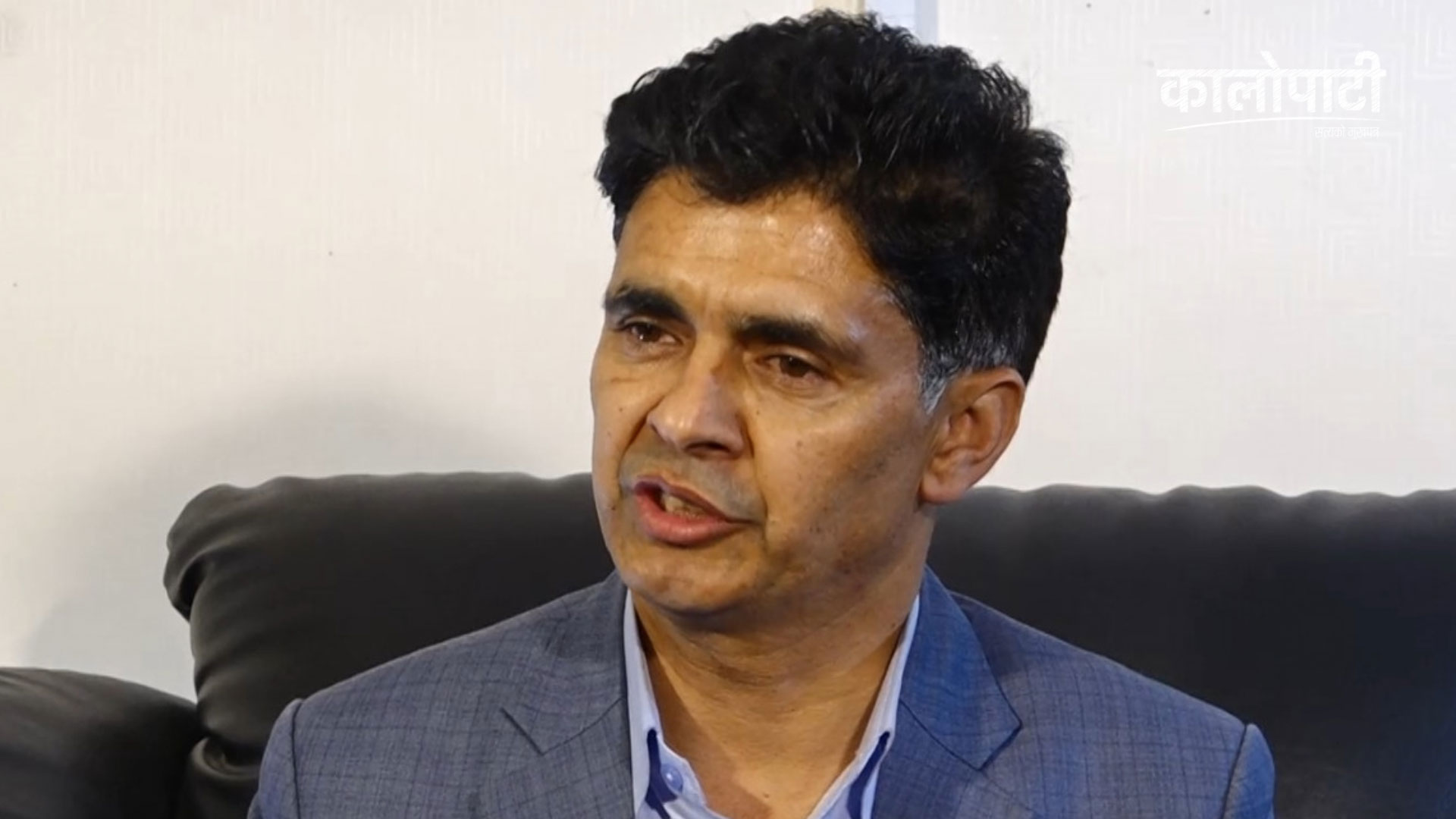
With the exception of Saturday and Sunday holidays, the total number of holidays in the year will be 104 days, and if other religious and cultural holidays are added to it, there will be more holidays than weekdays. Bishnu Parajuli, vice-president of National Private and Boarding Schools Association of Nepal (PABSON), said that the curriculum would not be completed within the stipulated time, which would compromise the learning achievement of students.
“Nepal’s curriculum is of international standard and comprehensive. On the one hand, if we reduce the working days and on the other hand start the academic session late, we will not be able to achieve the goal of education, the current youth-led government should reconsider this decision as soon as the supply of petroleum is eased and only one holiday a week should be arranged. ’
Similarly, the 9 am to 5 pm time fixed for public service delivery has also been found impractical. Parajuli claimed that it would be challenging for both employees and service recipients to reach the office at 9 am as household chores and children’s management has to be done in the morning.
Another serious aspect of this decision is the social and economic ramifications. Two-day leave has become a burden for daily wage workers and working parents. Two days a week of school holidays are seen to increase mobile phone addiction among children, addiction due to lack of parental supervision and risk of safety. In addition, having one of the parents stay at home to take care of the children has a direct impact on daily earnings.
Parajuli said that the government’s decision to postpone the start of the academic session by 15 days will put more pressure on the academic calendar. Parajuli argues that the number of days of teaching and learning has been reduced on the one hand and the extension of the academic session from April 1 to 15 will increase the expenses of the students. Parajuli stressed the need to seek long-term solution rather than giving leave to resolve the crisis.
प्रतिक्रिया दिनुहोस्