







 सुनचाँदी
 विनिमयदर
 मिति रुपान्तरण
 पेट्रोलको भाउ
 तरकारी / फलफूल
 मेरो एउटा कुरा छ
 AQI
AQI मौसम
मौसम स्न्याप
 रेडियो लाइभ
 बैंक ब्याजदर
 युनिकोड टुल्स
 सेयर मार्केट्स
 राशिफल
 सिनेमा बोर्ड
 निर्वाचन पोर्टल
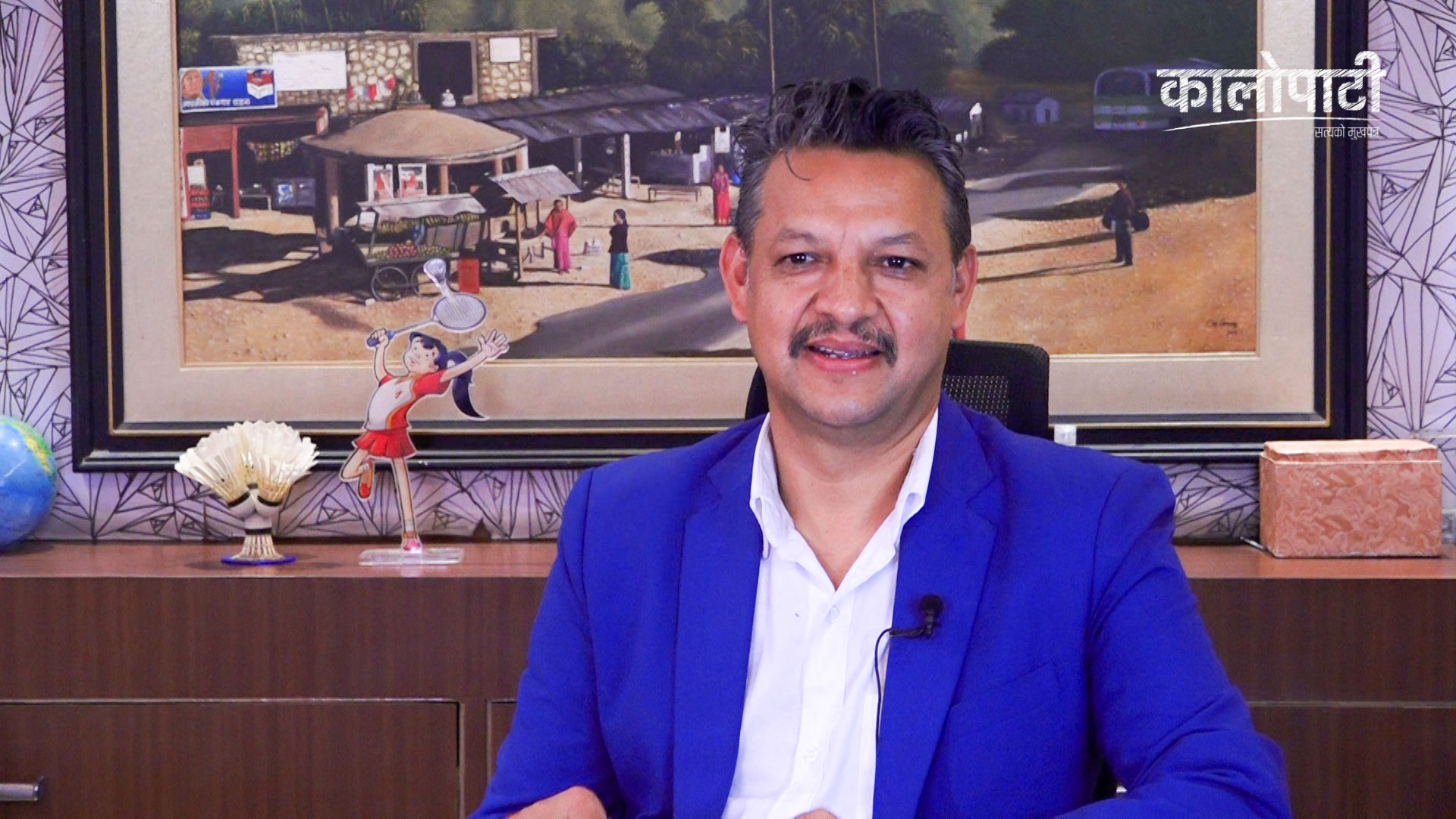

Kathmandu. KATHMANDU: Sports expert and scholar Deepak Thapa has said that Nepal could be developed as an important destination for sports tourism.
Talking to Nepal News Bank, he said that Nepal is the ideal country for sports tourism due to its natural resources, geographical location and tourism potential.
Thapa, who is also the secretary of Nepal Badminton Association and an international umpire, said that Nepal could be developed as an important destination for sports tourism.
Stating that sports has not been given priority in Nepal, Thapa said that sports should not only be seen as entertainment but also linked it with the identity, health and economy of the nation.
“Sports is a priority in rich countries. In a country like ours, the first priority is food, shelter and cotton. But that doesn’t mean sports aren’t necessary,” he said, adding that football, badminton and cricket clubs were established in Nepal more than 90 years ago. But there is still not enough infrastructure and priorities for professional sports. ’
He said that infrastructure, security, hotel facilities and transport management would be important to organize an international championship. He said that international federations will evaluate the geographical location, sports infrastructure and hospitality services of a country while hosting the competition.
“It’s not just the players who come to play an international match, they also have officials, family and friends who come with them. This will directly benefit the tourism sector,” he said.
Thapa said that sports will make the local and national economy dynamic. According to him, when a tourist comes, many people are directly or indirectly involved in economic activities.
“The players stay in hotels, use transportation, eat, shop. It expands the market for hotels, transportation, trade and local products. ’
According to him, natural potential for sports tourism is high in Nepal. According to him, Nepal can become the world’s most attractive destination through adventure sports like marathon, cycling, skiing, rafting, kayaking in high mountainous areas.
“Nepal is a country made by nature. We may lag behind in terms of infrastructure, but Nepal is far ahead in terms of natural resources and adventure tourism,” he said.
Thapa also stressed the need for Nepal to collaborate with diplomatic agencies, international media and content producers for the promotion of international sports and tourism. According to him, Nepal can be made known in the international market if the calendar of sports events is made and publicized one or two years in advance.
According to Thapa, collaboration between the government and private sector is necessary for the development of sports infrastructure. He suggested constructing sports grounds, stadiums and training centres under public-private partnership model.
“It is difficult for the private sector to buy land on its own to build sports infrastructure because it takes a long time to get the return on investment. The private sector can come if the government leasing land for a certain period of time, providing tax concessions and creating investment-friendly environment,” he said.
He suggested that the local levels should also use the land and resources within their area for the development of sports infrastructures. He said that local employment, hotel business, local production and tourism activities would increase once the sports infrastructures are constructed.
“Building a stadium is not just a playground. With this, the local market, jobs and new economic activities begin. ’
Thapa said that sports will build the country’s international identity. Giving the example of many small countries of the world being recognized through sports, he said that Nepal should also make sports a medium of nation building.
“Players represent the country, when a player wins a medal, the name of the country reaches all over the world. Then sponsorships, investment and economic opportunities increase,” he said.
He pointed out the need to identify sports talents from the school level. He said that coordination between schools, clubs and national teams would create an environment for producing players.
Thapa also stressed the need to encourage the corporate sector to invest in sports as part of their social responsibility. According to him, the private sector is ready to invest big in sports infrastructure if the government provides concessions.
प्रतिक्रिया दिनुहोस्