




 सुनचाँदी
 विनिमयदर
 मिति रुपान्तरण
 पेट्रोलको भाउ
 तरकारी / फलफूल
 मेरो एउटा कुरा छ
 AQI
 मौसम
 स्न्याप

 रेडियो लाइभ
 बैंक ब्याजदर
 युनिकोड टुल्स
 सेयर मार्केट्स
 राशिफल
 सिनेमा बोर्ड
 निर्वाचन पोर्टल
 NPL


On November 19, 2001, Singaporean philanthropist Jack Sim founded the World Toilet Organization and began celebrating this day, which was later officially recognized by the United Nations General Assembly in 2013. Thus, World Toilet Day is the 26th day in terms of organizational establishment and the 14th day officially recognized by the United Nations.
According to the data from the 2078 Census in Nepal, out of 6,660,841 families, 95.5 percent of the population use some form of toilet. However, 4.5 percent of the population still lack access to toilets.
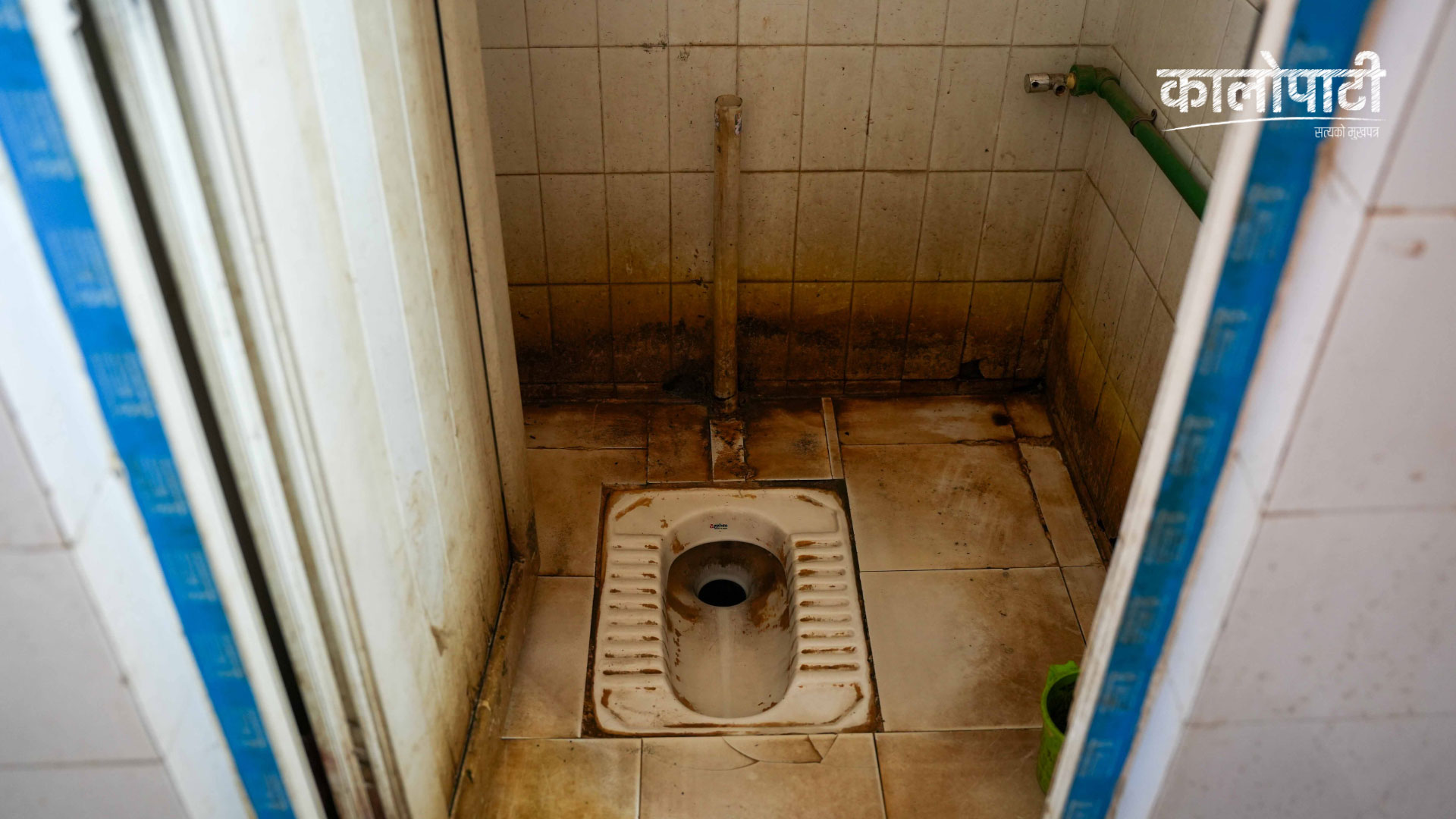
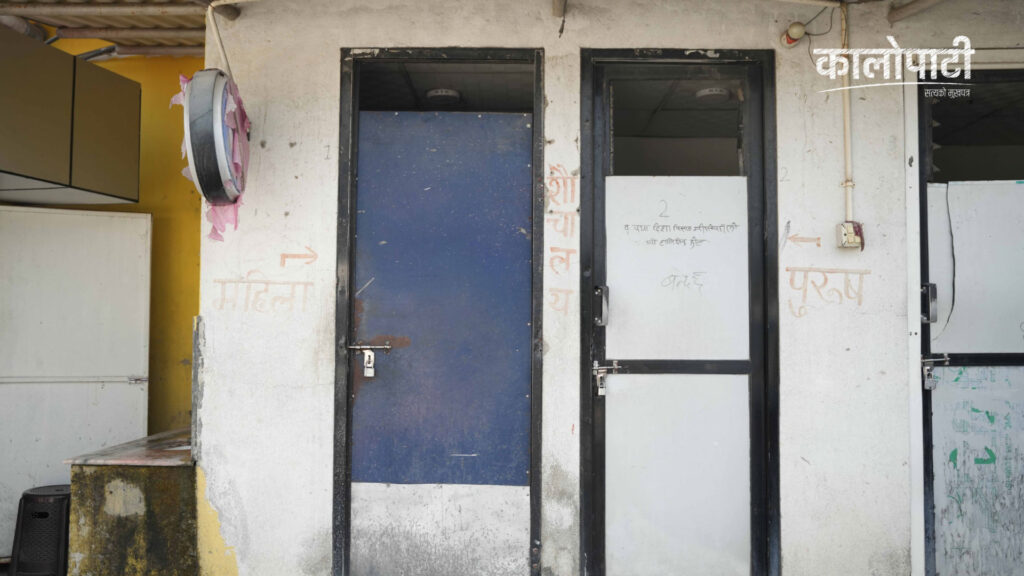
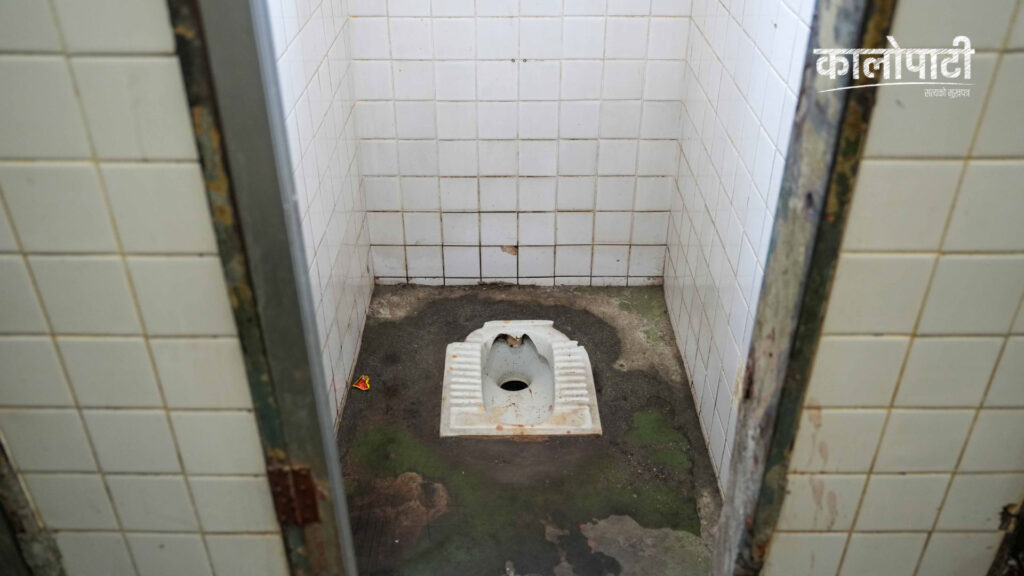
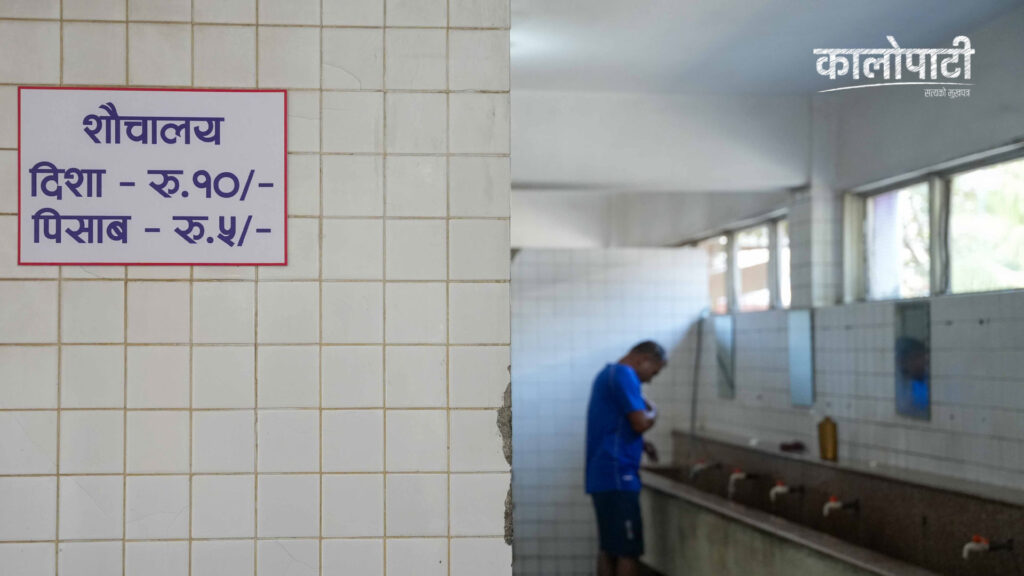
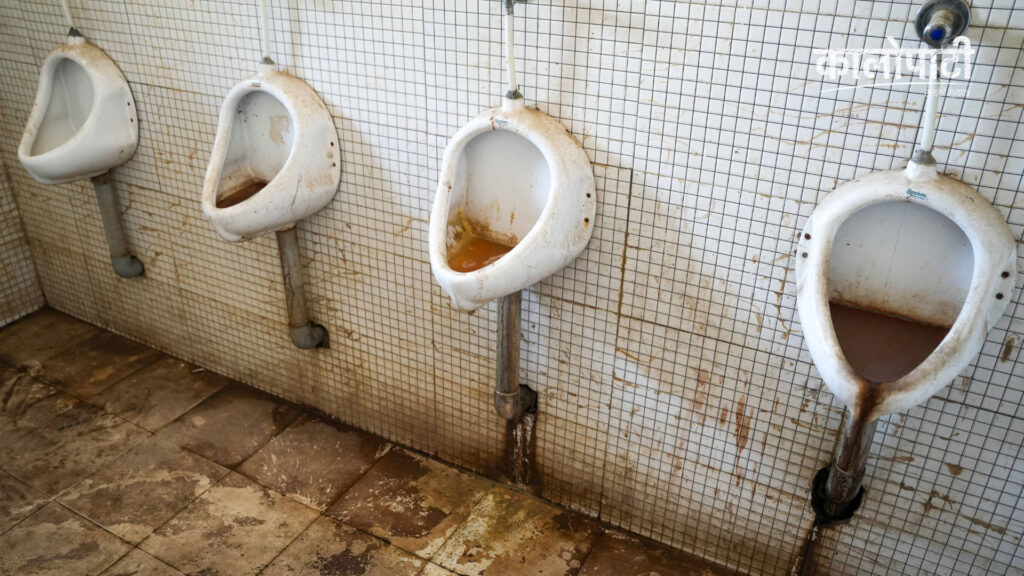
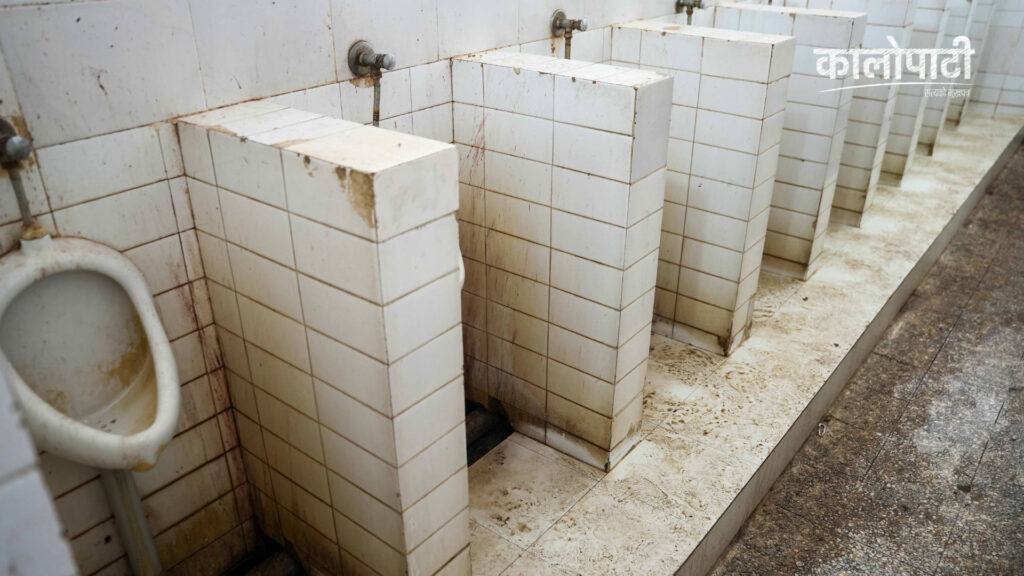
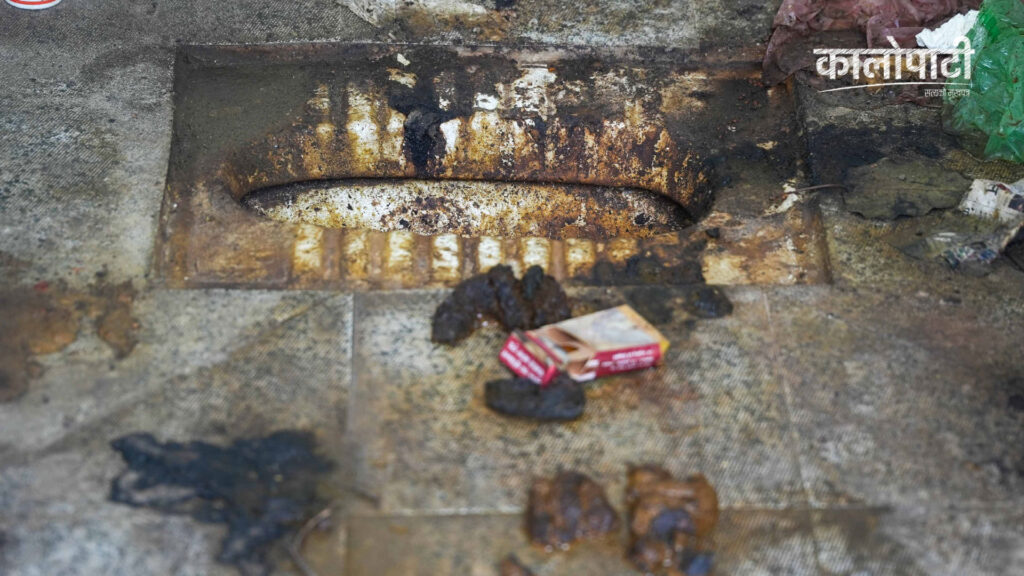
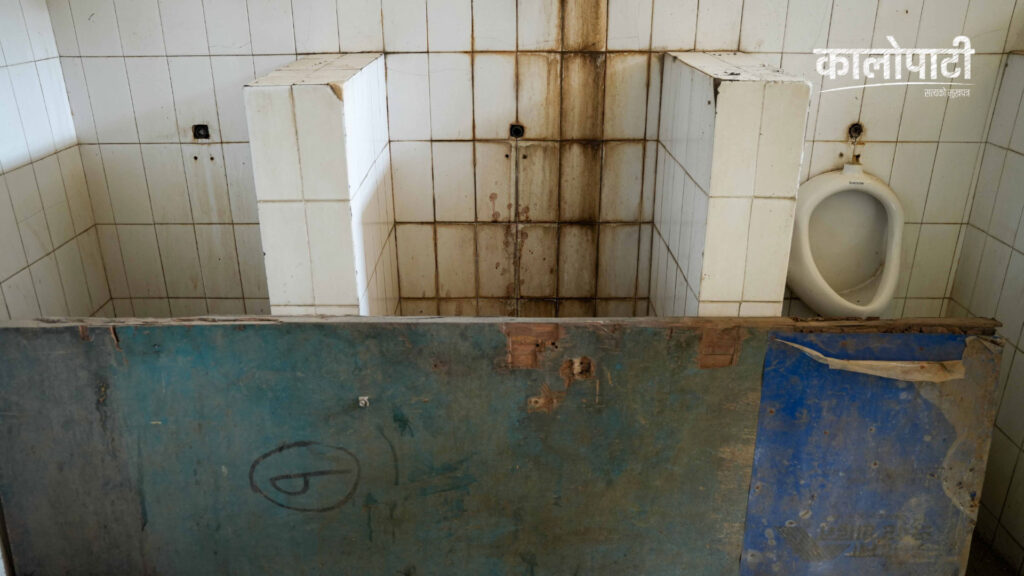
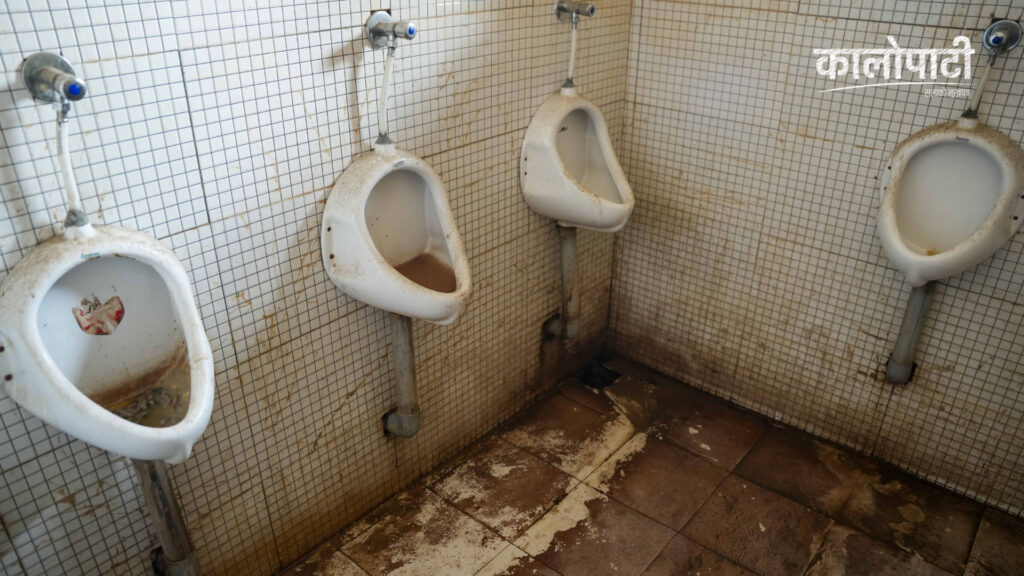
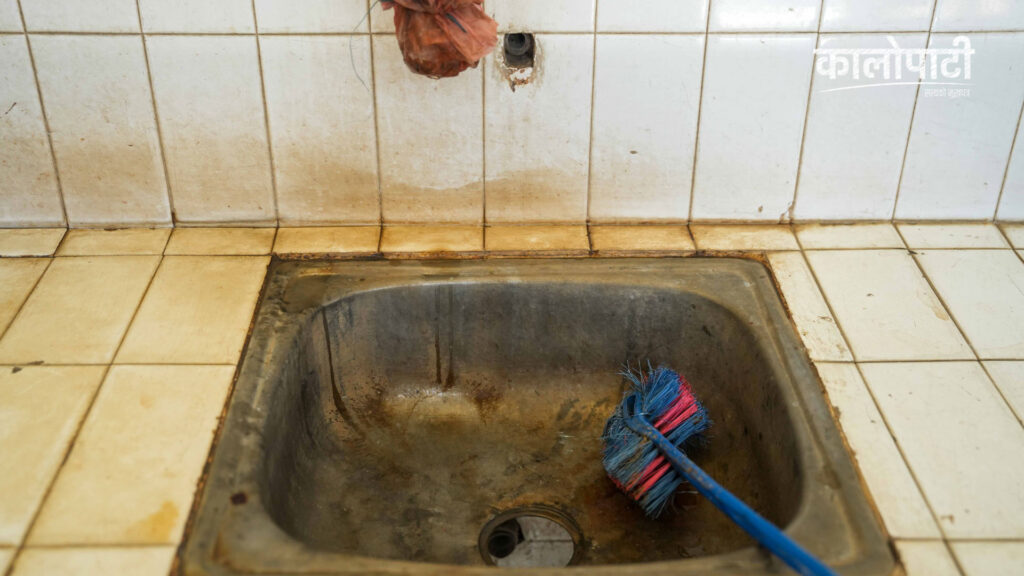
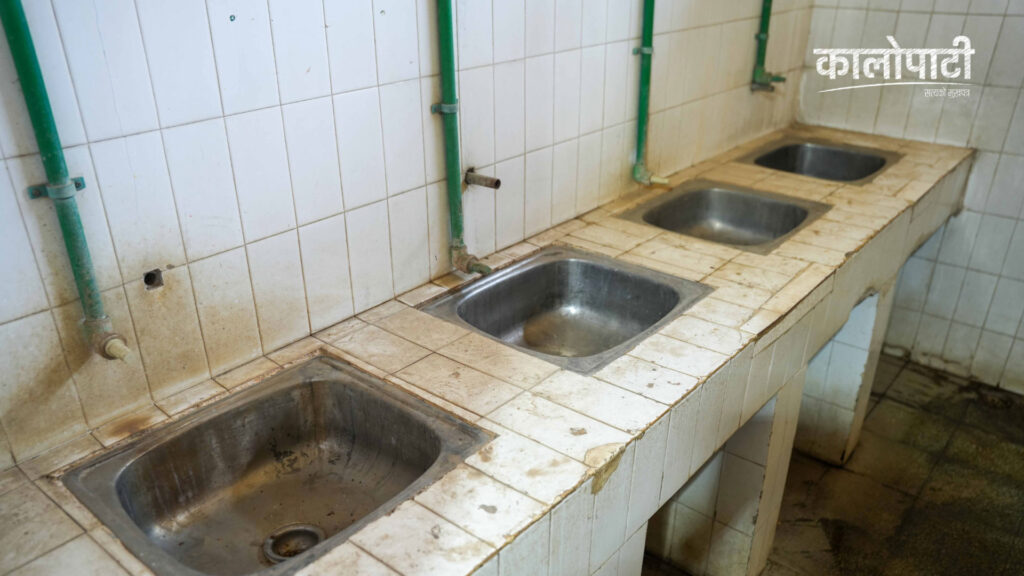
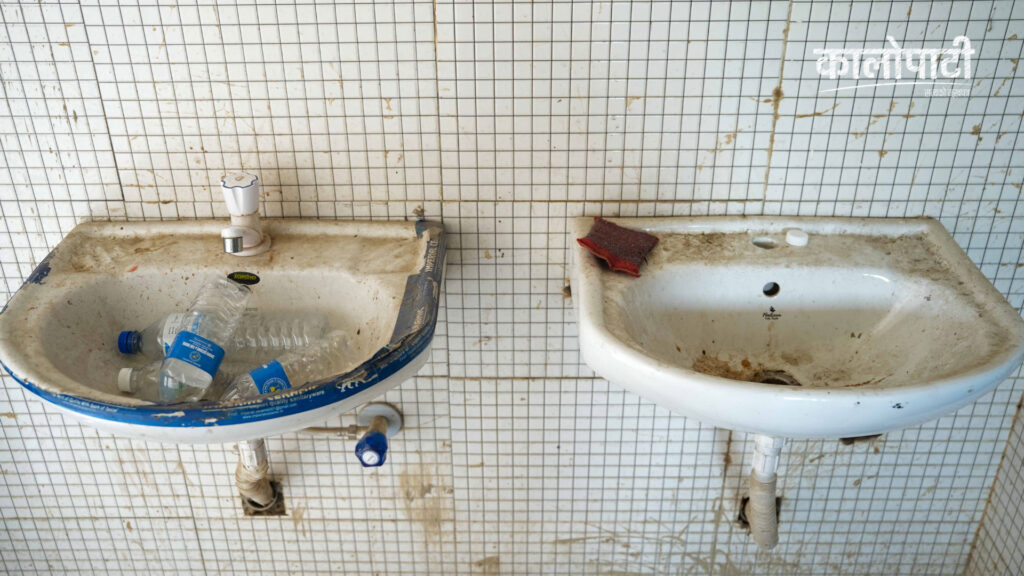
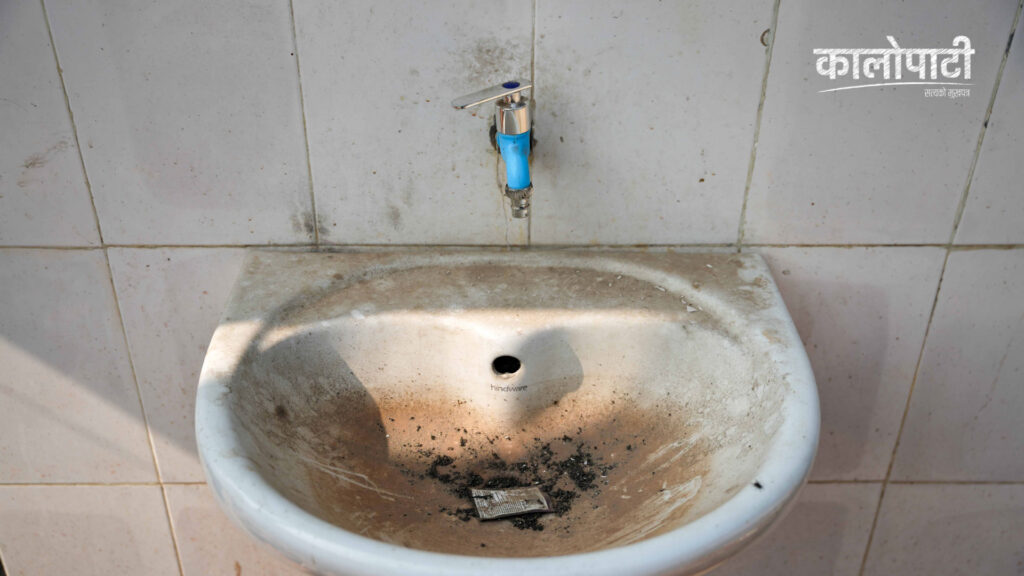
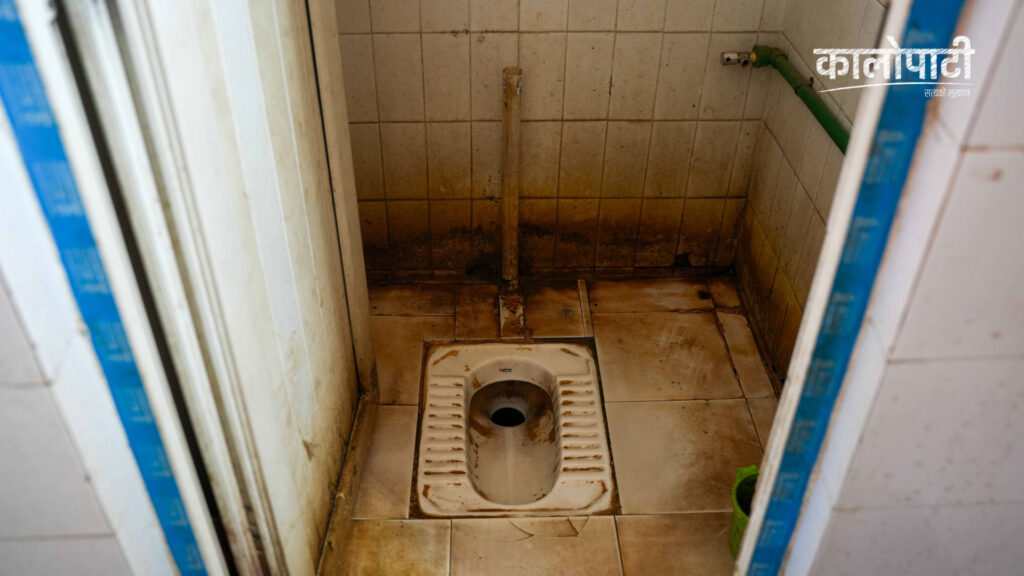
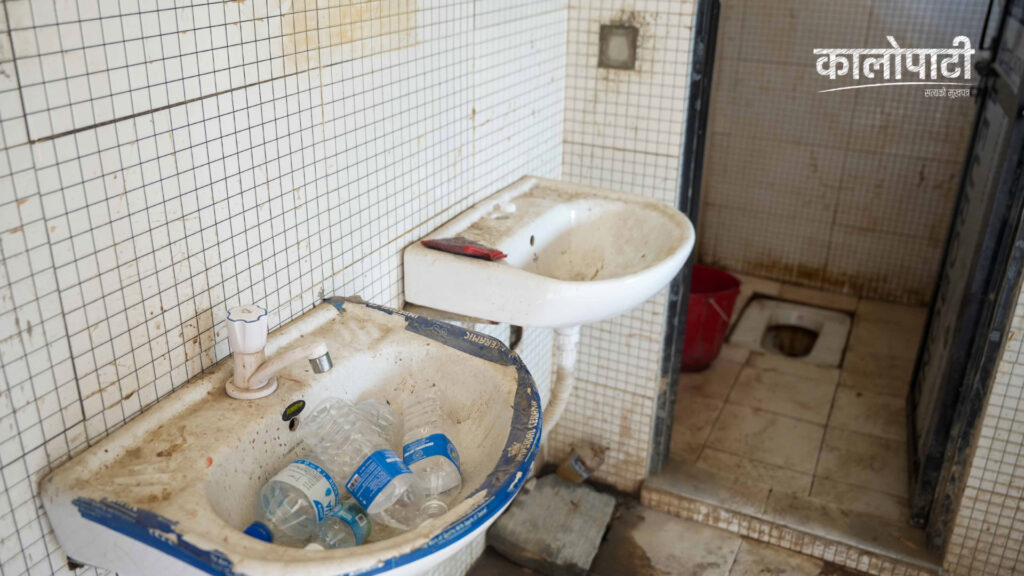
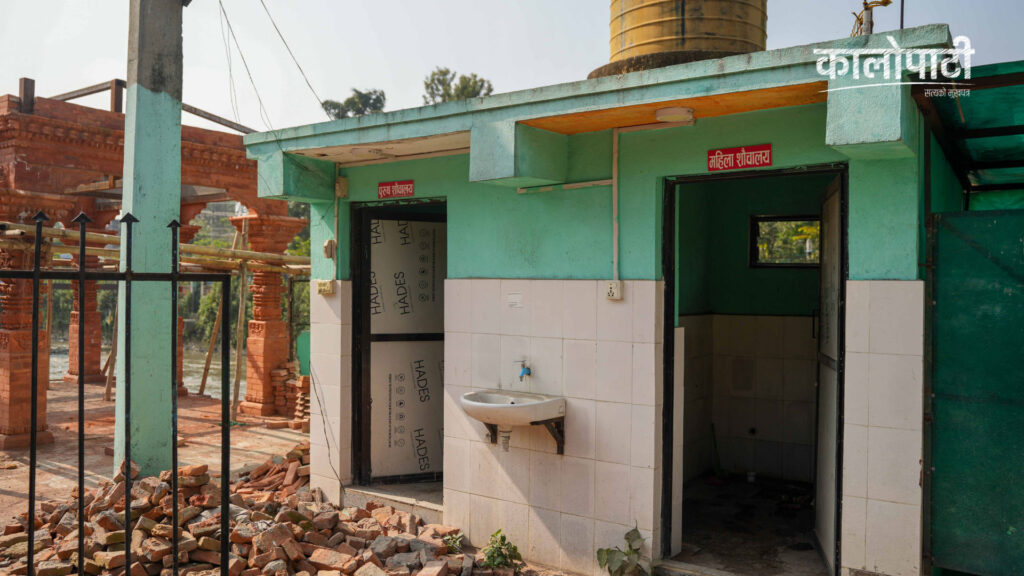
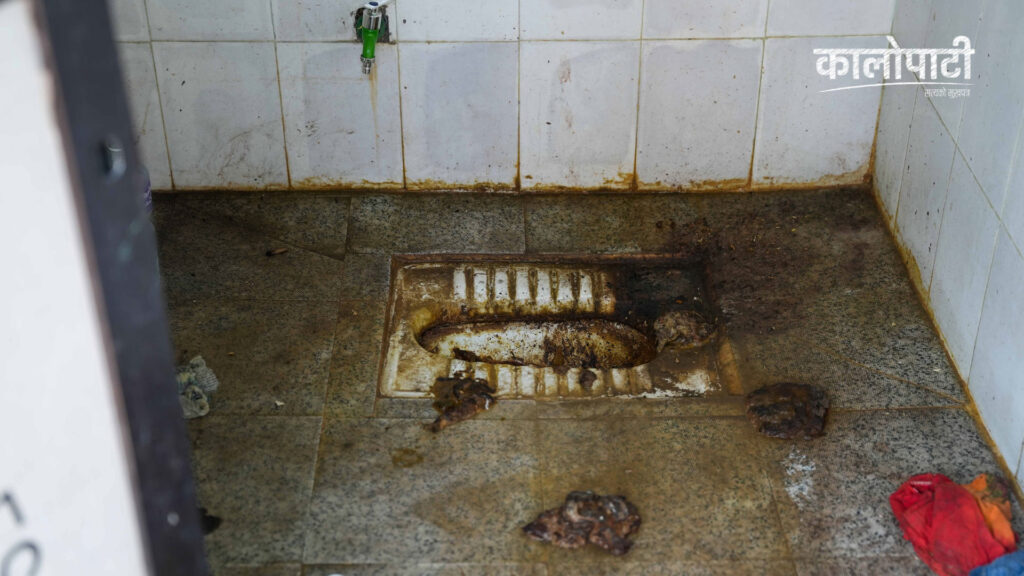
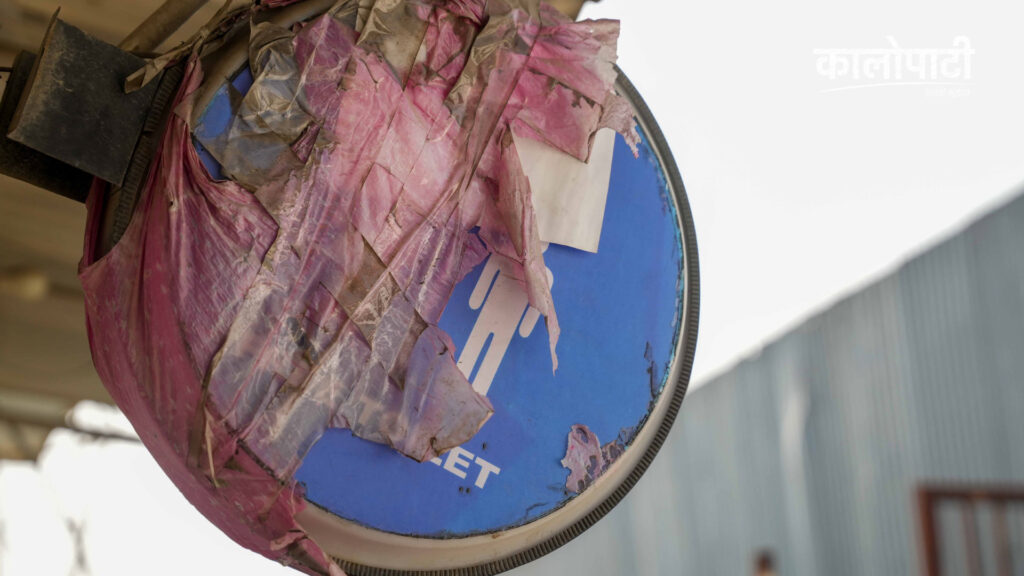
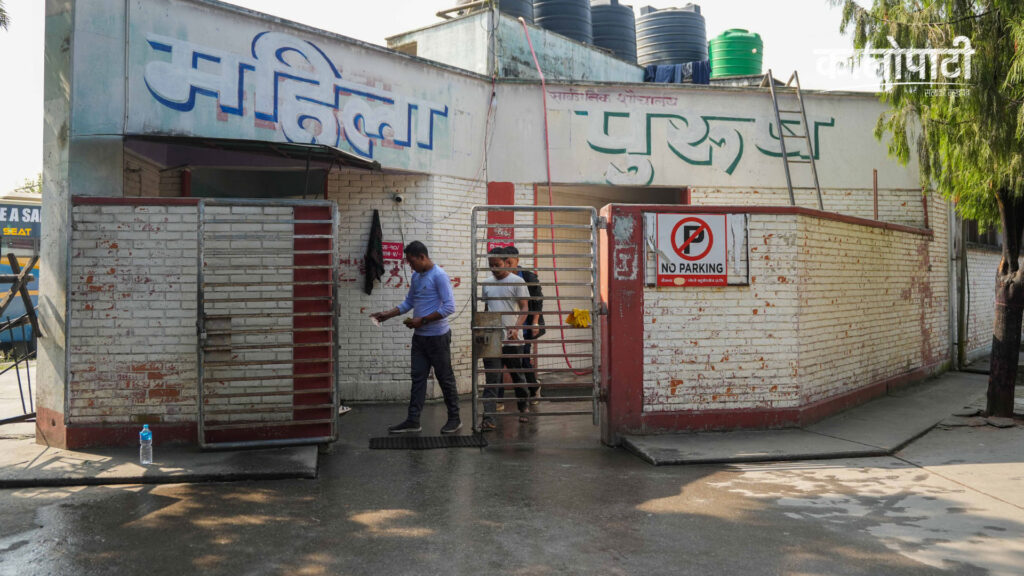
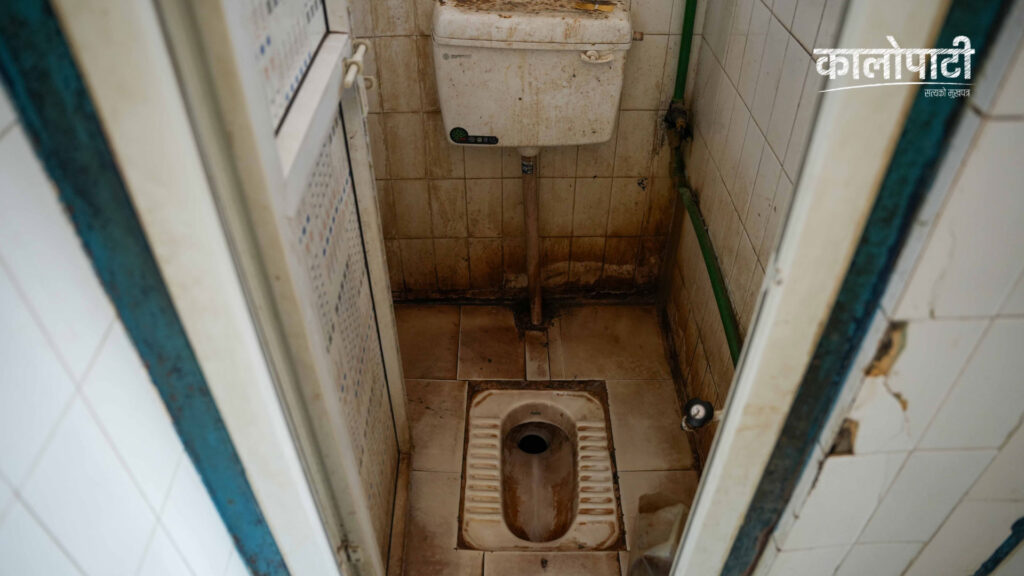
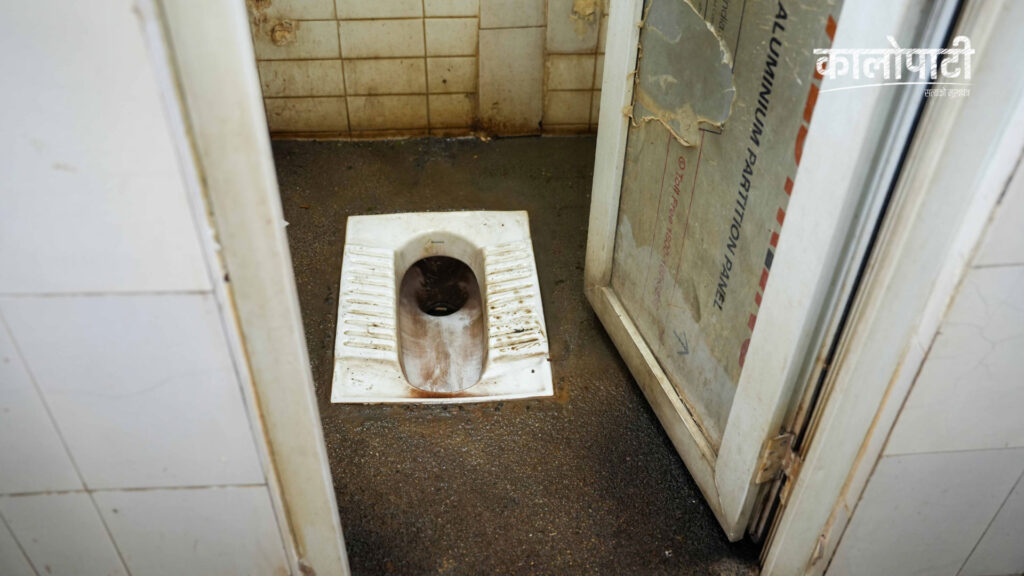
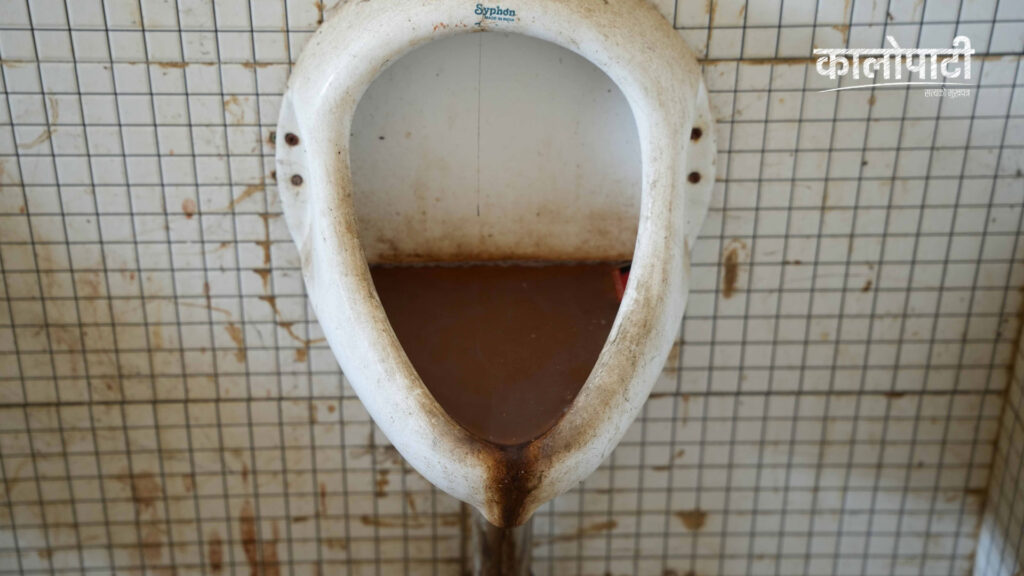
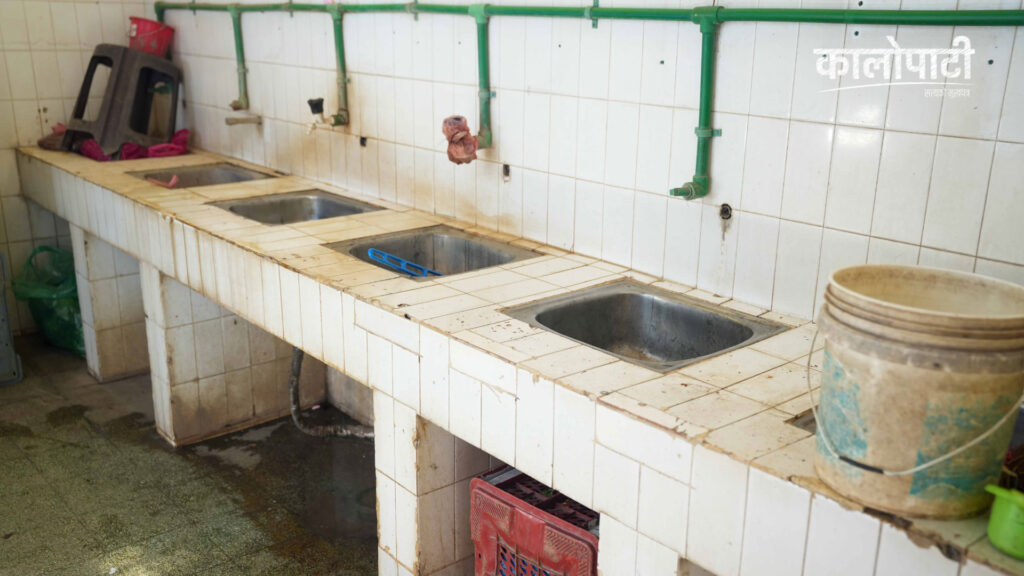
On Asoj 13, 2076, then Prime Minister KP Sharma Oli declared Nepal a country free from open defecation. Although the country has been declared open defecation free, the condition of public toilets remains deplorable. Public toilets in dozens of places, including Teku Dobhan, Kalimati Vegetable Market, New Bus Park, and Kankeshwari in Kathmandu, are very foul-smelling. Some toilets are in a state of inaccessibility.
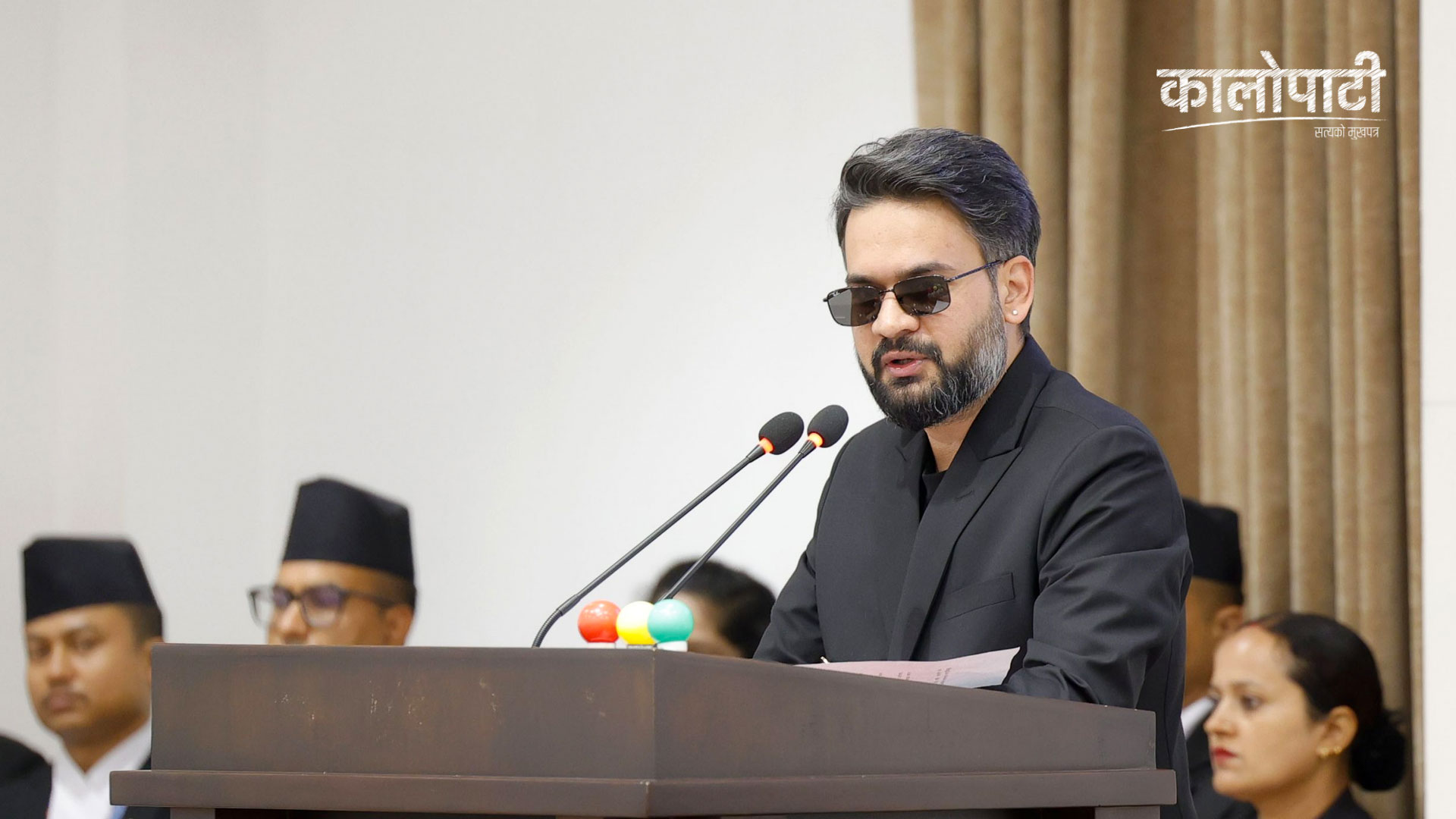
After Balendra Shah was elected mayor of Kathmandu in 2079 B.S., he proposed a plan to open private toilets for public use as well. At that time, around two hundred and fifty public toilets had reached Kathmandu through restaurants, hotels, commercial buildings, companies, and government subordinations.
At that time, there were only 59 toilets under the metropolitan area. Some toilets opened in partnership between the public and private sectors have been closed today after three years. As problems of cleanliness and theft increased, some toilets have been closed for public use.
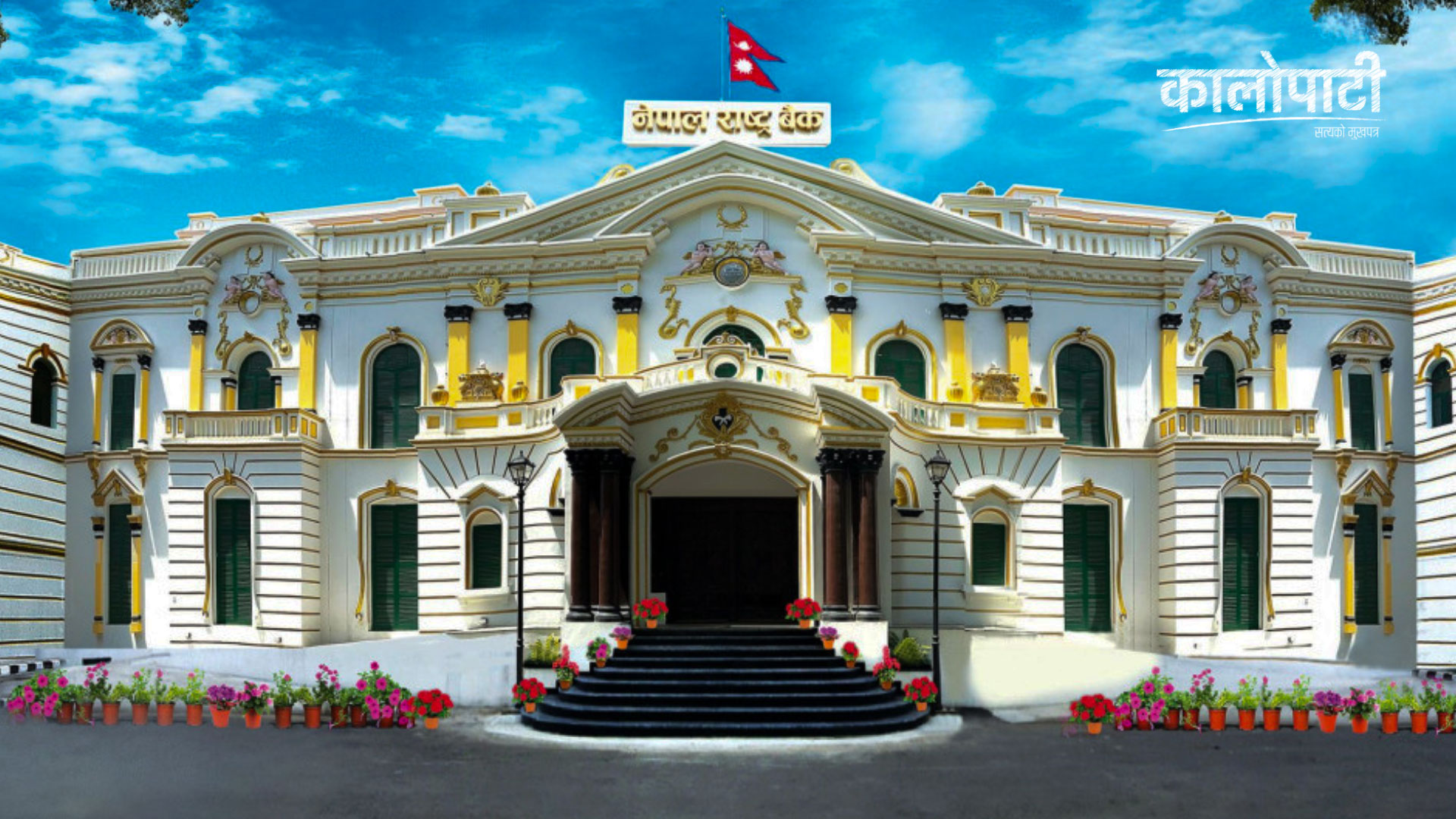
Navin Manandhar, spokesperson for Kathmandu Metropolitan Corporation, said that private operators stopped the service after the expenses of constructing private public toilets increased. According to him, toilets operated in private partnerships are managed by partners, and toilets built by the metropolitan corporation are overseen by the Environment Department.
He claims that access to public toilets has recently reduced random defecation. ‘We have caught and fined some people. How many will find open spaces more comfortable? Compared to yesterday, there is less open defecation today,’ he said, ‘Classes living on the streets prefer to go to open spaces rather than toilets.
Due to the activity of the municipal monitoring team, that number has decreased compared to yesterday. ‘ He admitted that even with separate staff arrangements, not all toilets have been cleaned.
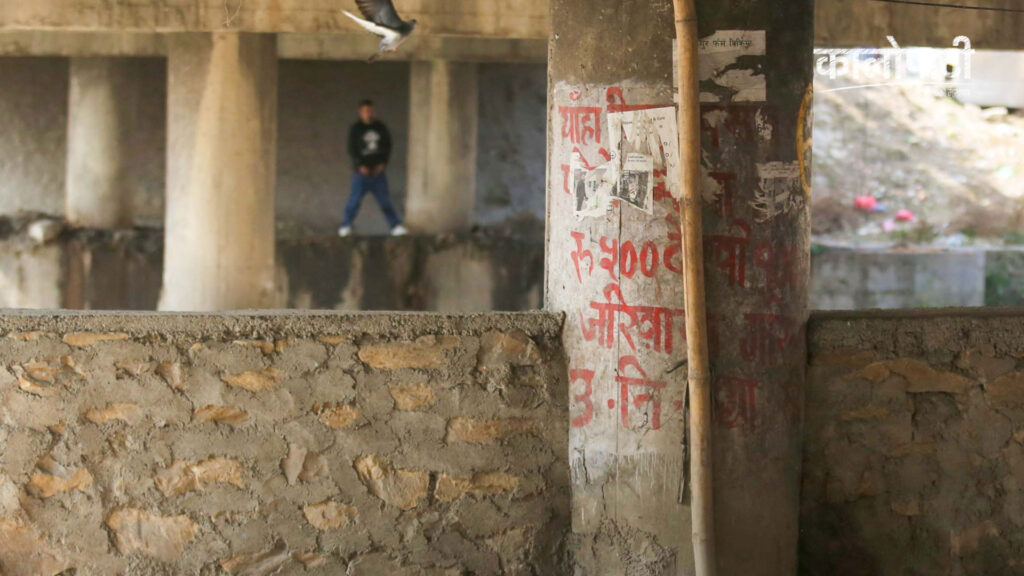
Toilets that require paying fees are also foul-smelling due to lack of cleanliness. Due to insufficient public toilets, people in the valley urinate on roads, bridges, and riverbanks.
प्रतिक्रिया दिनुहोस्