

 सुनचाँदी
 विनिमयदर
 मिति रुपान्तरण
 पेट्रोलको भाउ
 तरकारी / फलफूल
 मेरो एउटा कुरा छ
 AQI
AQI मौसम
मौसम स्न्याप
 रेडियो लाइभ
 बैंक ब्याजदर
 युनिकोड टुल्स
 सेयर मार्केट्स
 राशिफल
 सिनेमा बोर्ड
 निर्वाचन पोर्टल

Kathmandu. Dang is known as the major base of the Tharu community. Dangisharan Rural Municipality was named as the rural municipality based on the popular belief that the first Tharu king Dangisharan ruled.
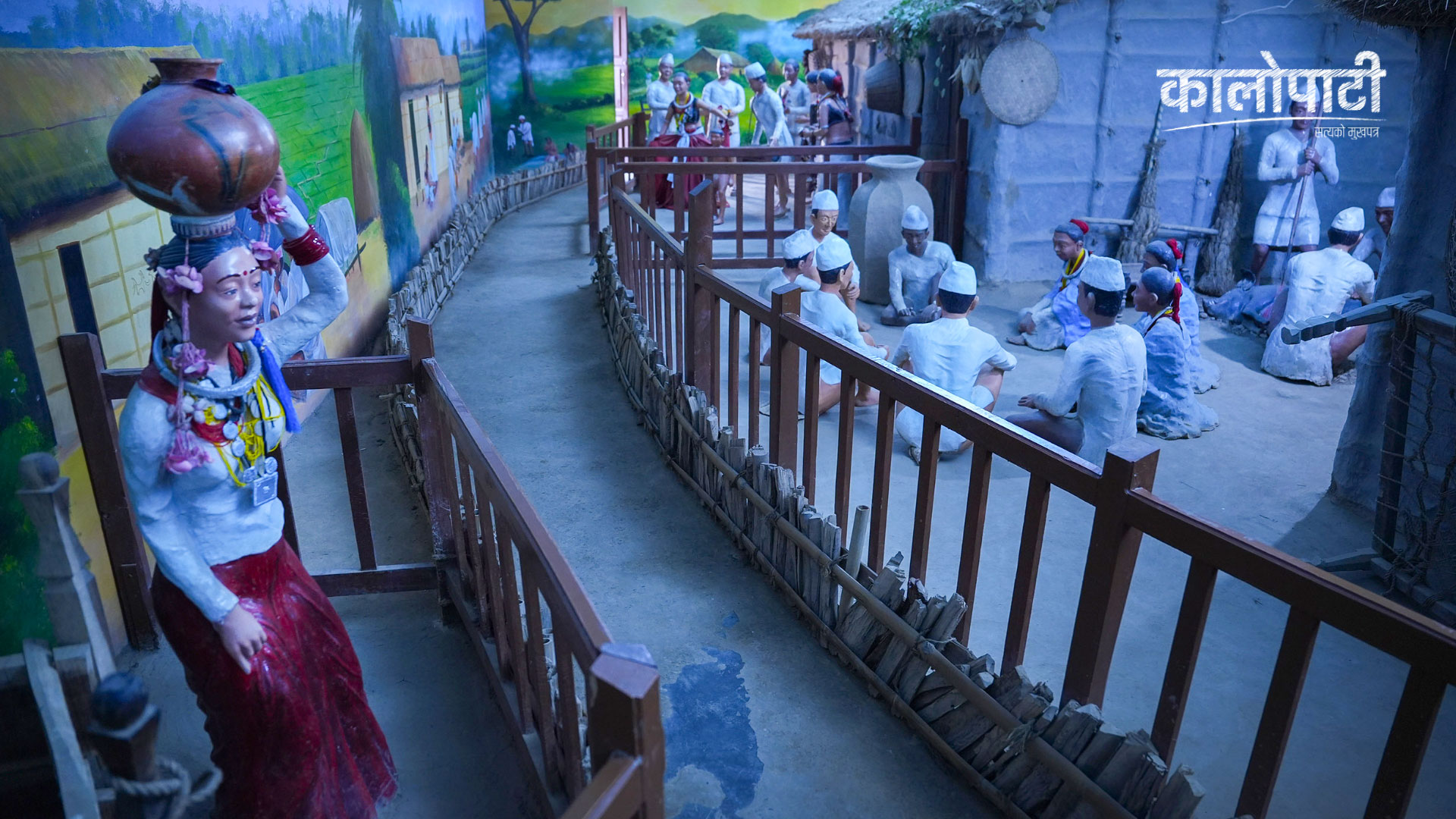
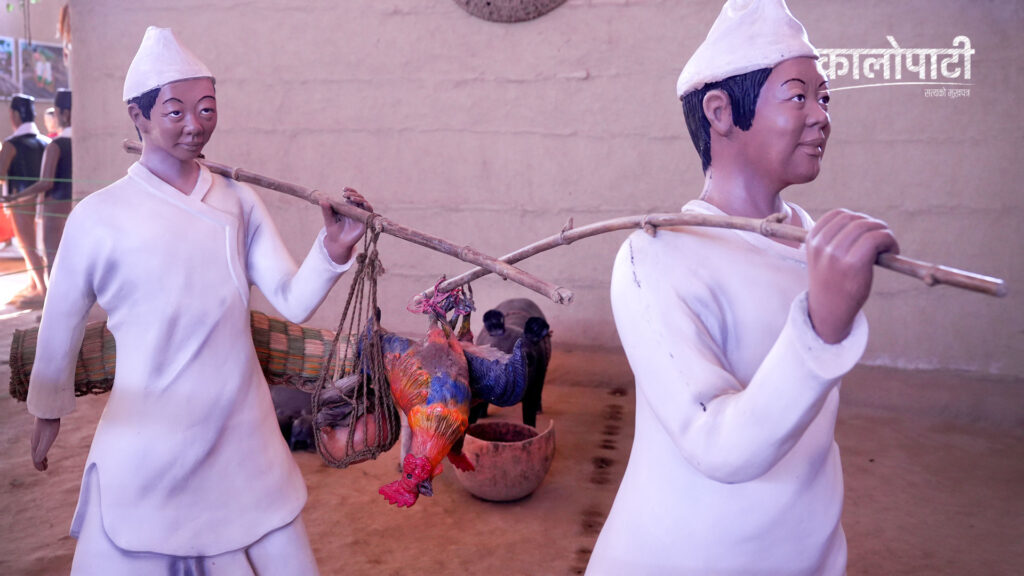
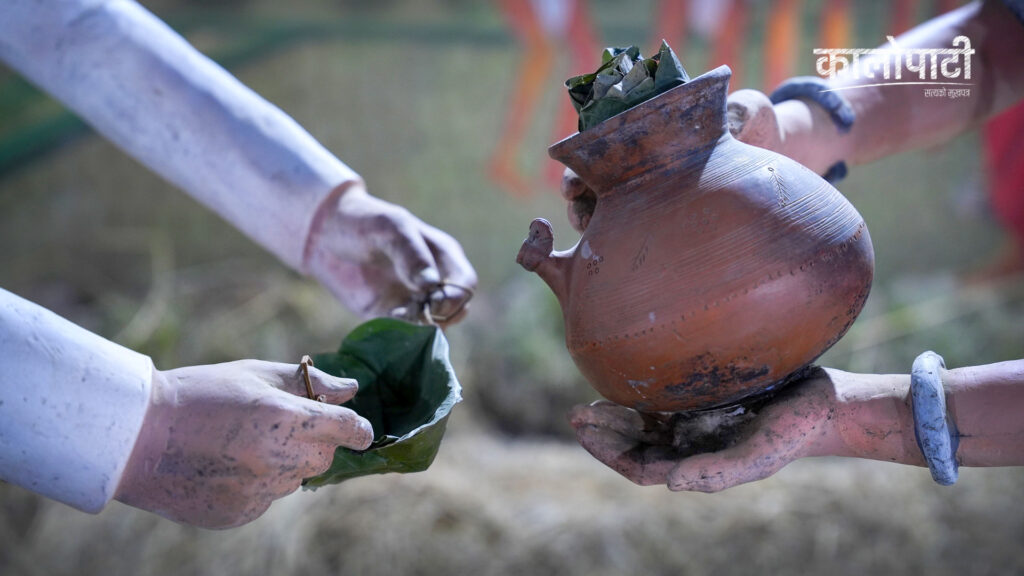
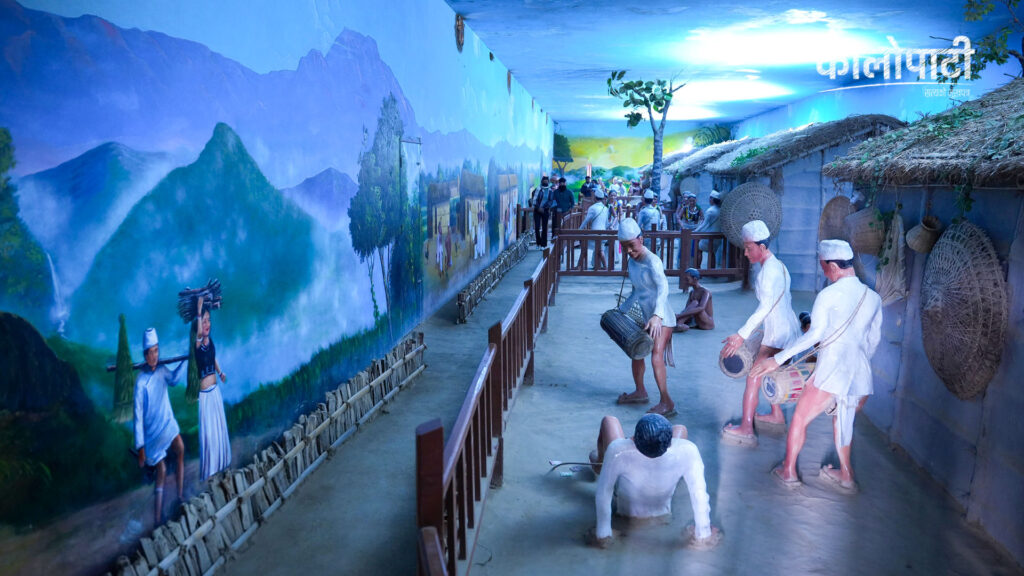
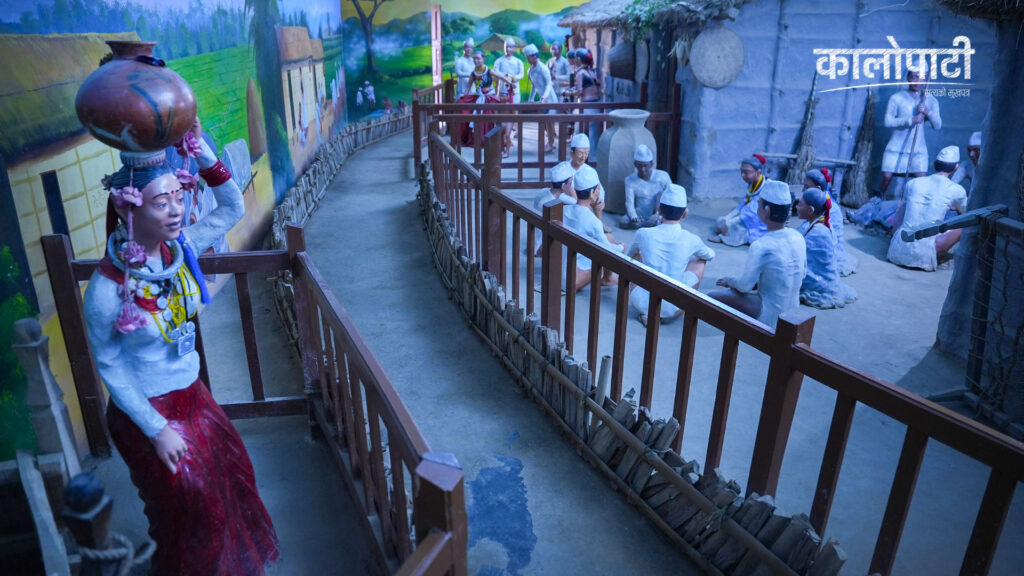
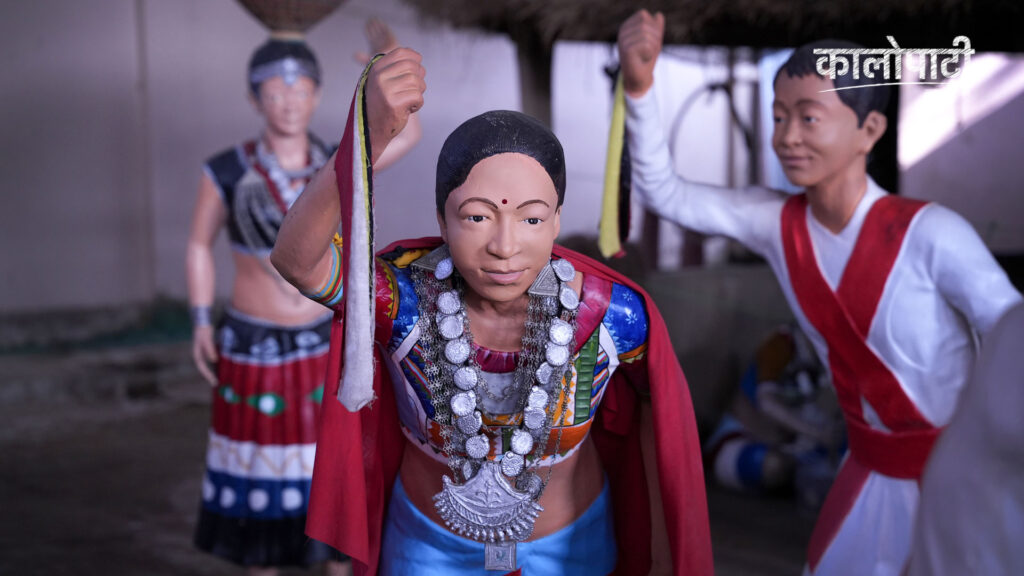
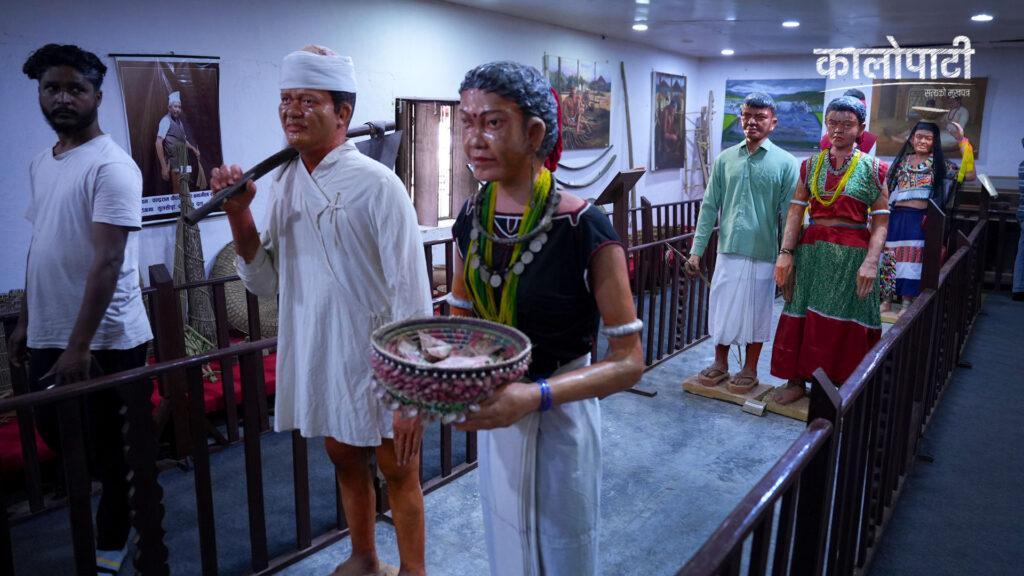
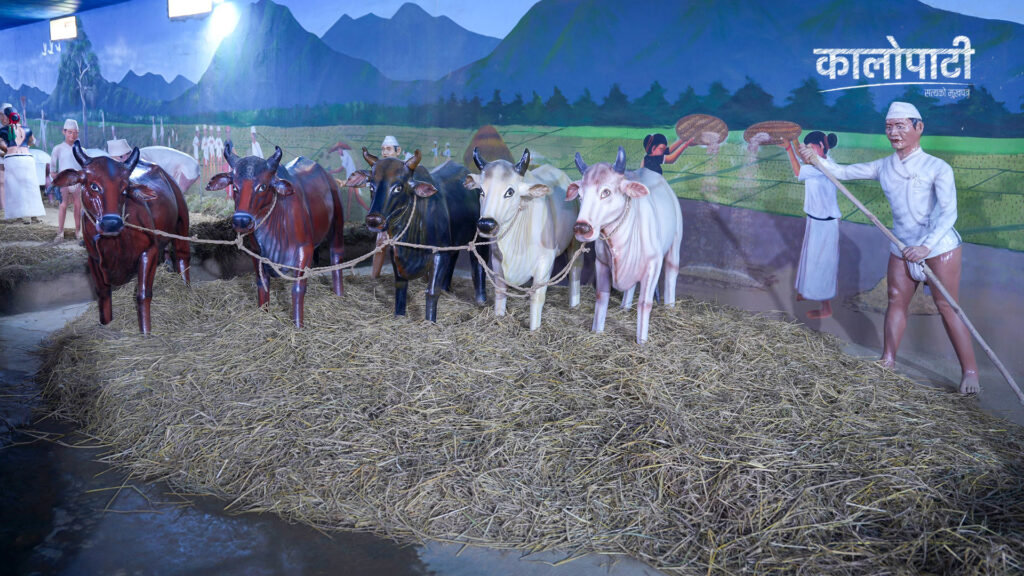
The Tharu Cultural Museum, constructed with the objective of preserving the history, culture and tradition of the Tharu community at Chakhaur, Dangisharan Rural Municipality-3, has now become one of the major tourist destinations of Lumbini State. The museum presents the culture, art, culture and customs of the Tharu community from birth to death in an attractive way through sculptures.
Along with the Tharu community, a large number of people from other castes also come to visit the museum. Hundreds to more than a thousand tourists visit here every day. The history, lifestyle and cultural identity of the Tharu community living in different districts of Nepal including Dang can be observed in the museum.
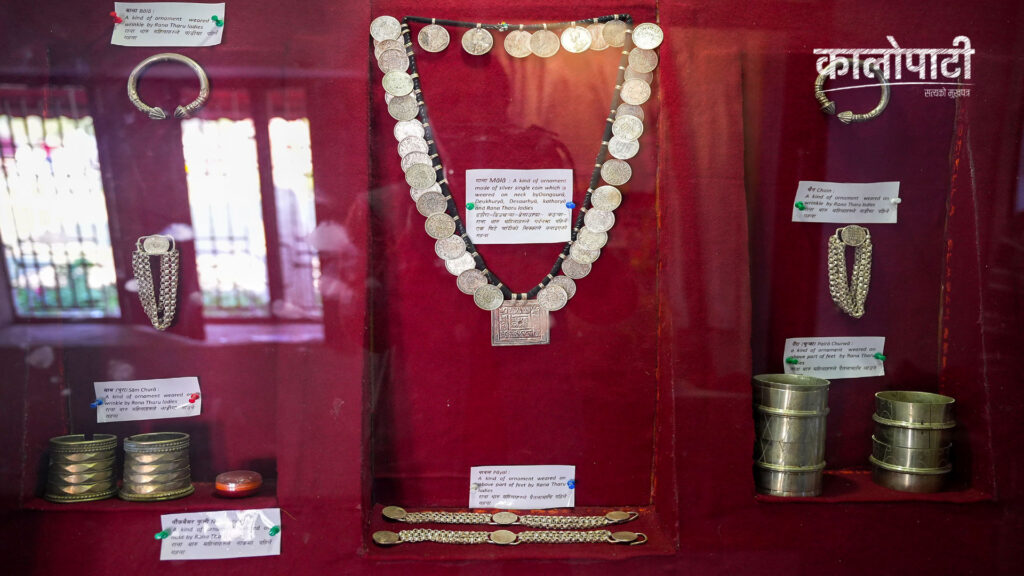
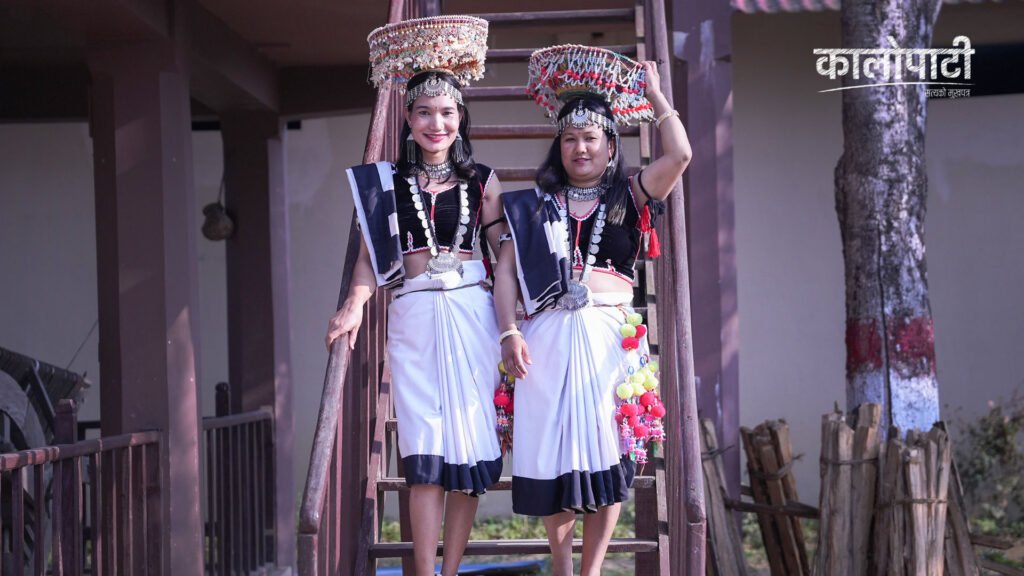
Inside the museum, the traditional houses, rooms, shrines, places of worship and other materials related to birth and death rituals have been depicted in the museum. Costumes, jewelry, costumes and make-up materials used by Tharu men and women are also part of the exhibition.
The museum has been constructed with the objective of preserving the culture of Tharu community living in different parts of Nepal. The artefacts depict the lifestyle, tradition and culture of the Tharu community living in Dang, Chitwan, Kailali, Kanchanpur, Banke, Bardiya and Morang among other areas. The museum has a statue of Dangisharan, the first king of Tharu, a historical statue and a map.
More than two hundred statues have been erected in the museum spread over an area of about five bighas. There are old and new museum buildings, rest house, theater hall, library, recording studio, Koseli house, guest house, restaurant and conference hall reflecting Tharu culture. Traditional dishes of the Tharu community can be tasted in the restaurant and accommodation has also been arranged for tourists.
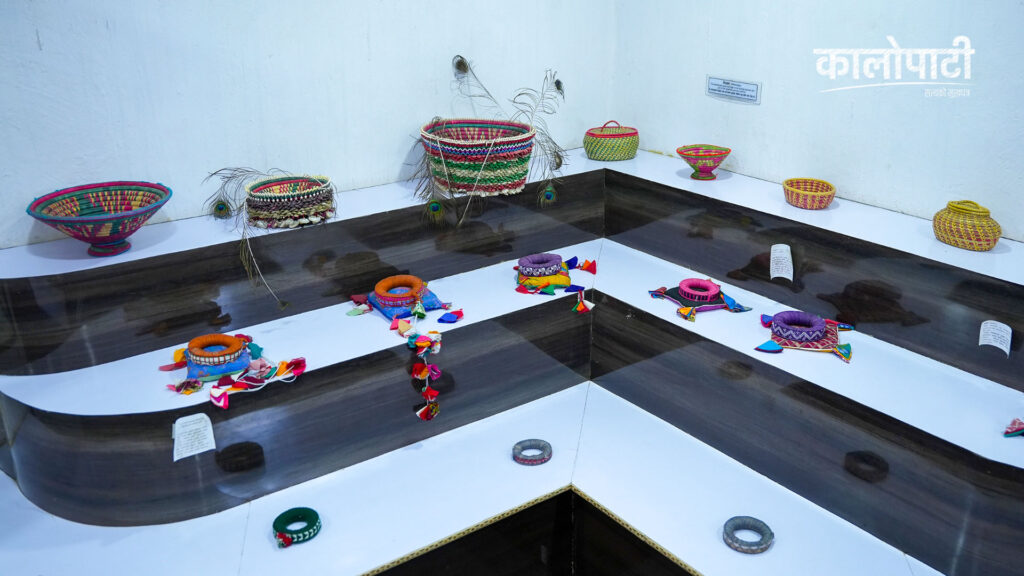
The museum has preserved agricultural tools, pottery, baskets, wooden slippers, silver ornaments and tools used by the Tharu community for ploughing and digging. The traditional fishing gear, canals, waterfalls and cultural sculptures of the Tharu community have made the museum more attractive.
Guides have been arranged inside the museum to inform the tourists. About two dozen people have got direct employment here and hundreds of people have been supported by the production and sale of vegetables, fish, ghunghi, local dishes and other goods at the local level.
प्रतिक्रिया दिनुहोस्