









 सुनचाँदी
 विनिमयदर
 मिति रुपान्तरण
 पेट्रोलको भाउ
 तरकारी / फलफूल
 मेरो एउटा कुरा छ
 AQI
AQI मौसम
मौसम स्न्याप
 रेडियो लाइभ
 बैंक ब्याजदर
 युनिकोड टुल्स
 सेयर मार्केट्स
 राशिफल
 सिनेमा बोर्ड
 निर्वाचन पोर्टल
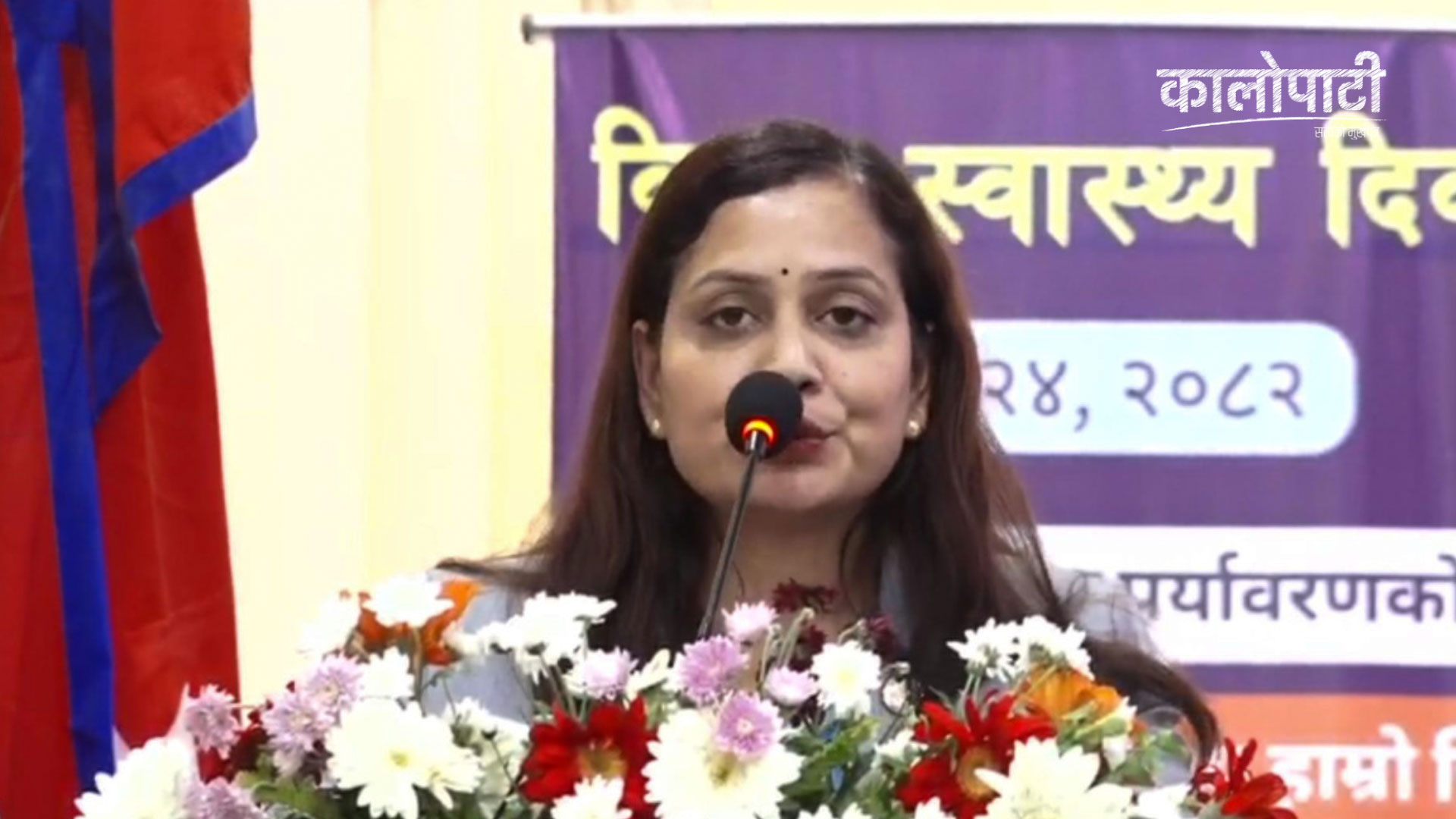

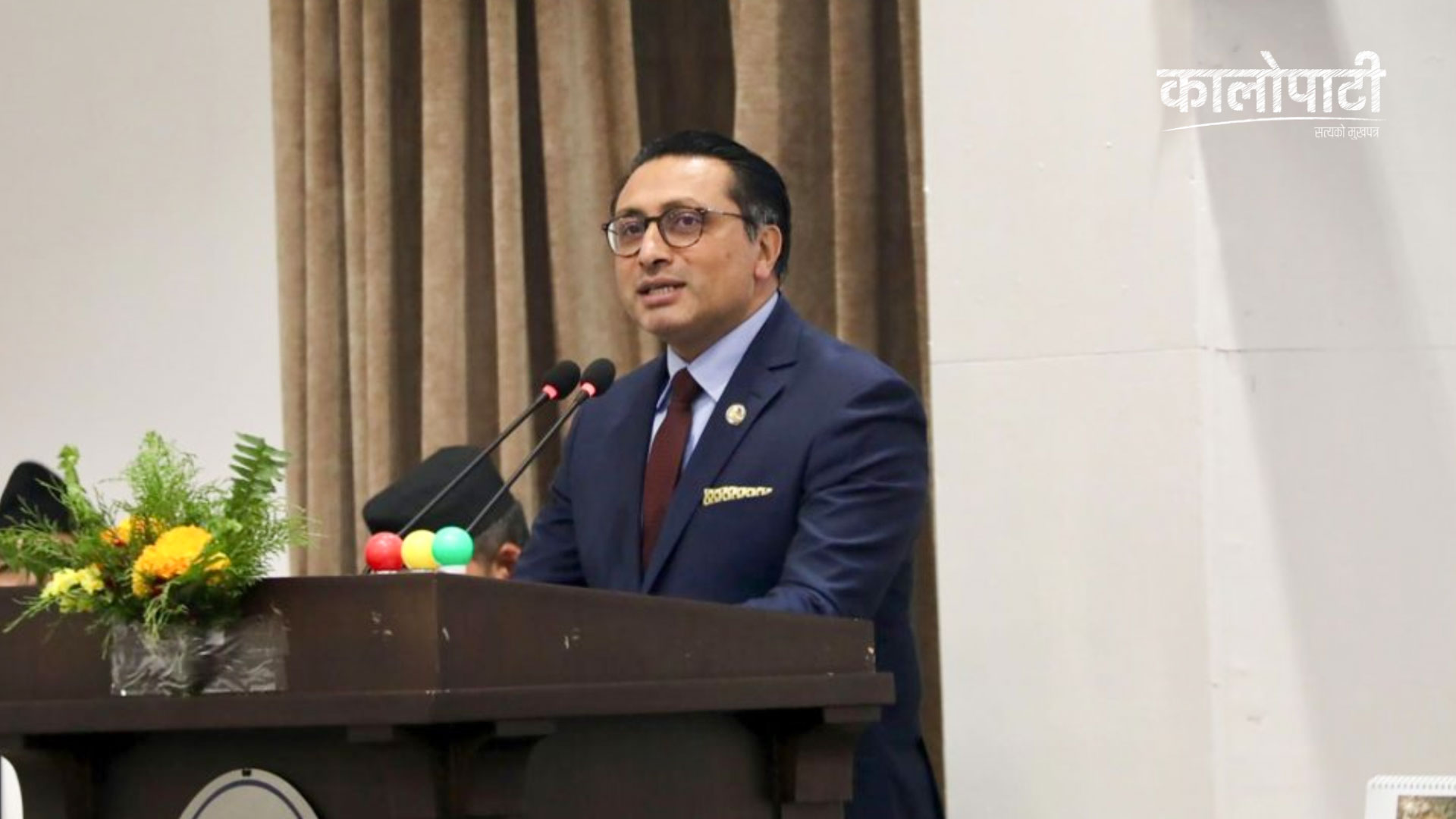
Kathmandu. KATHMANDU: Minister for Health and Population Nisha Mehta has underlined the need of strengthening the concept of ‘One Health’, saying human health, livestock and environment are inseparably interlinked with each other.
Speaking at a function organized on the occasion of World Health Day in Kathmandu on the occasion of World Health Day, Minister Mehta said that human beings cannot be completely healthy until nature is safe and animals are healthy.
He stressed the need of cooperation among public health, agriculture, livestock and environment sectors. Reminding that the Constitution of Nepal has guaranteed health as a fundamental right, Minister Mehta said that the interrelationship between humans and animals has added new challenges in recent period.
He expressed concern over the increasing risk of non-communicable diseases like cancer, heart disease and stroke caused by environmental pollution, increasing risk of deadly diseases like rabies transmitted by livestock, vector borne diseases due to climate change and environmental pollution.
Excessive and haphazard use of antimicrobial drugs has led to a big crisis of ‘antimicrobial resistance’, he said, calling for collaboration among all stakeholders to resolve it. Informing that the ‘National One Health Strategy’ has been approved and implemented in 2019, Minister Mehta pledged to further strengthen disease surveillance system in the days ahead.
This year’s World Health Day slogan – ‘Human, Livestock and Environment Welfare, Science and One Health is Our Victory’ also lays special emphasis on strengthening science, innovation and One Health concept, emphasizing on these important dimensions that directly or indirectly concern human health.
Since humans, animals and the environment are closely related to each other, we cannot be completely healthy until nature is safe and animals and birds are healthy. Therefore, cooperation between public health, agriculture, livestock and the environment is very important. Our country, Nepal, as you all know, is an agricultural country and the population here is especially dependent on agriculture and animal husbandry. In this context, human, animal, and environmental interactions are also creating healthy challenges.
The risk of diseases transmitted by animals and birds is increasing, and people are also losing their lives to deadly diseases like rabies. At the same time, insect-borne diseases are increasing due to climate change. Non-communicable diseases such as respiratory diseases, cancer, heart disease, stroke, etc. are also increasing due to environmental pollution.
On the other hand, the excessive and indiscriminate use of antimicrobial drugs in humans and animals has also led to a major crisis of antimicrobial resistance. These examples make it clear that addressing these new health challenges requires collaboration between all sectors and stakeholders. Every citizen has the right to free basic health care from the state.
Clean environment, food security and consumer rights are also important issues related to health. Effectively implementing these rights and building a safe Nepal is our priority. We go for curative after getting the disease, but now we have to pay more attention to the prevention aspect. ’
Minister Mehta urged the citizens to pay attention to cleanliness, compulsory vaccination of pets and use antimicrobial medicines only after consulting health workers. He also called on media persons, organisations and stakeholders to join hands in spreading public awareness. This year’s World Health Day is being celebrated with the slogan ‘Humanity, Livestock and Environment Welfare, Science and One Health is Our Victory’.
प्रतिक्रिया दिनुहोस्