



 सुनचाँदी
 विनिमयदर
 मिति रुपान्तरण
 पेट्रोलको भाउ
 तरकारी / फलफूल
 मेरो एउटा कुरा छ
 AQI
AQI मौसम
मौसम स्न्याप
 रेडियो लाइभ
 बैंक ब्याजदर
 युनिकोड टुल्स
 सेयर मार्केट्स
 राशिफल
 सिनेमा बोर्ड
 निर्वाचन पोर्टल
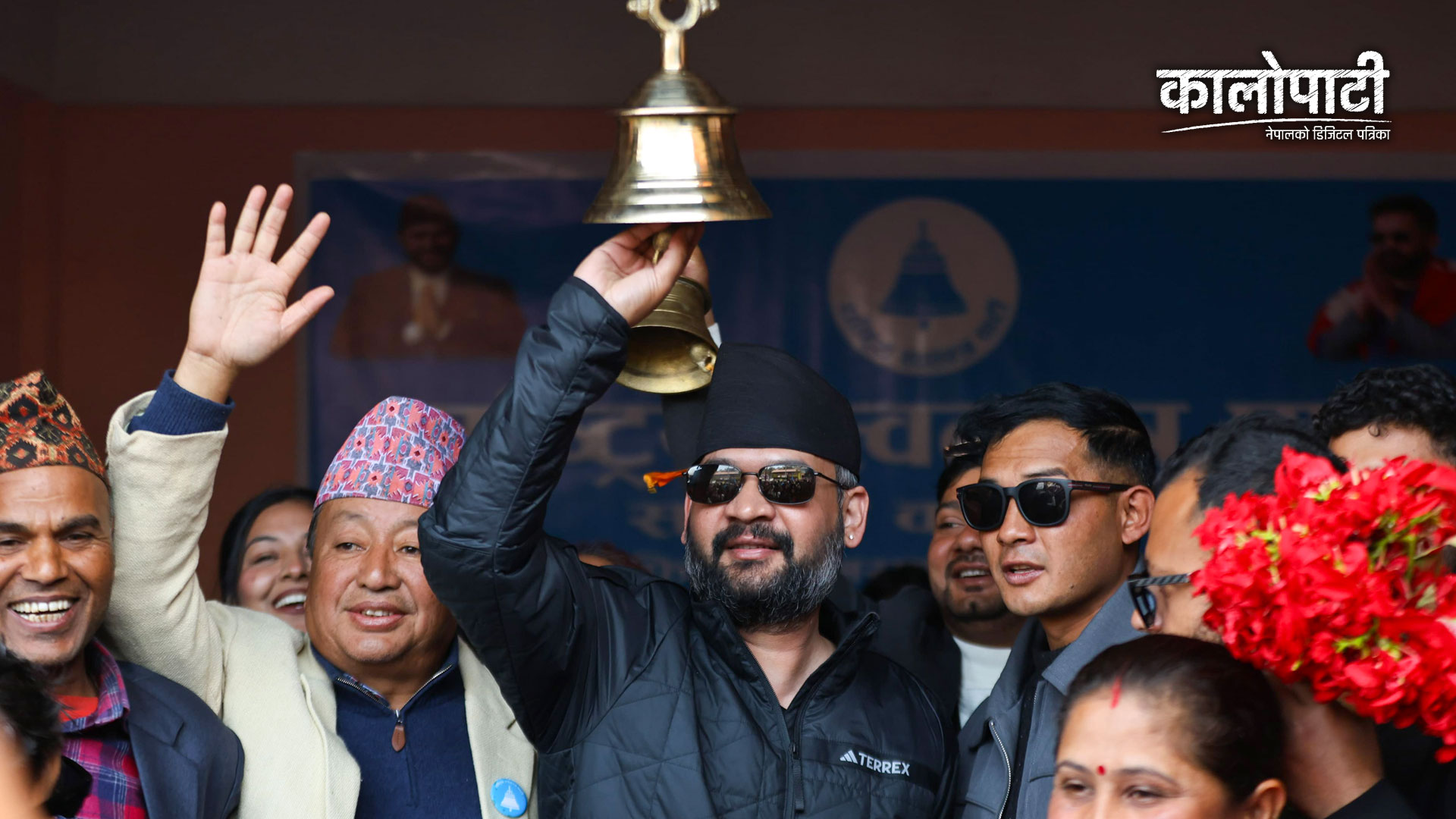

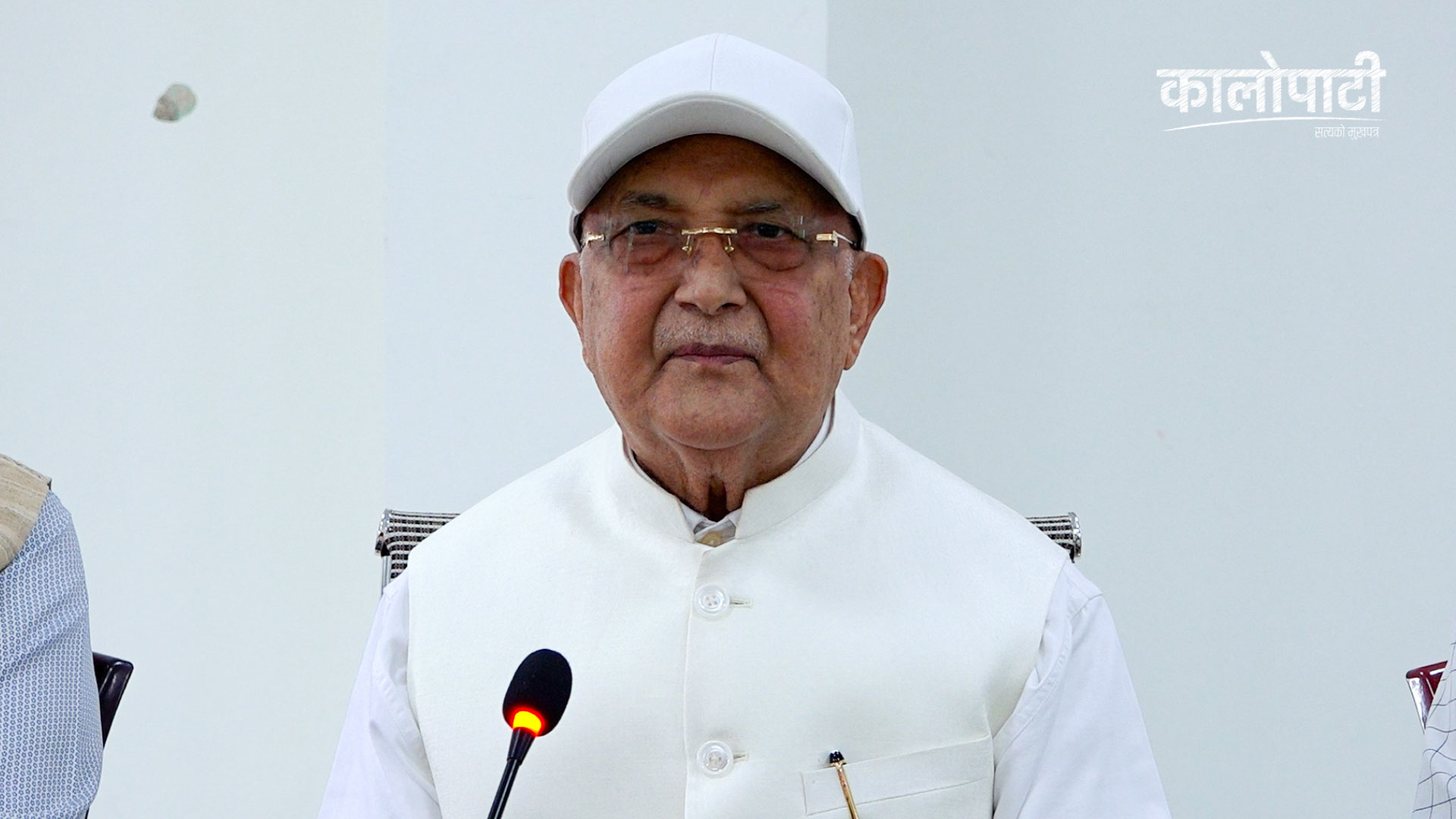
A geography of Nepali politics, where the same name has been synonymous with the same name for the last three decades – KP Sharma Oli. However, the House of Representatives election on March 4 not only kept Jhapa constituency number 5 as just one constituency, but also made it such a ‘Kurukshetra’ of Nepalese politics, where the ‘Hunkar and Rebellion’ of the new generation has directly clashed against the ‘experience and arrogance’ of the old generation. The political temperature in Jhapa has reached a melting point after Balendra Shah (Balen) resigned from the post of Mayor of Kathmandu Metropolitan City (KMC).
1. Damak’s Sky Bridge: Where the Peace Was Broken
The scene that was seen under the overhead bridge in Damak on January 20 indicates how difficult and violent the upcoming election journey in Jhapa-5 can be. The physical clash between the cadres of UML and Rastriya Samajwadi Party was not just a minor clash. It was a message that now the narrative has changed that no one can challenge Oli in Jhapa. Oli’s statement after filing his candidacy that it is costly to disturb the UML reveals his defensive psychology and insecurity. When an established leader begins to speak the language of power rather than logic, it should be understood that the foundations of his fortress are shaking.
2. Landslide inside the fort: When the ‘people of the house’ rebel
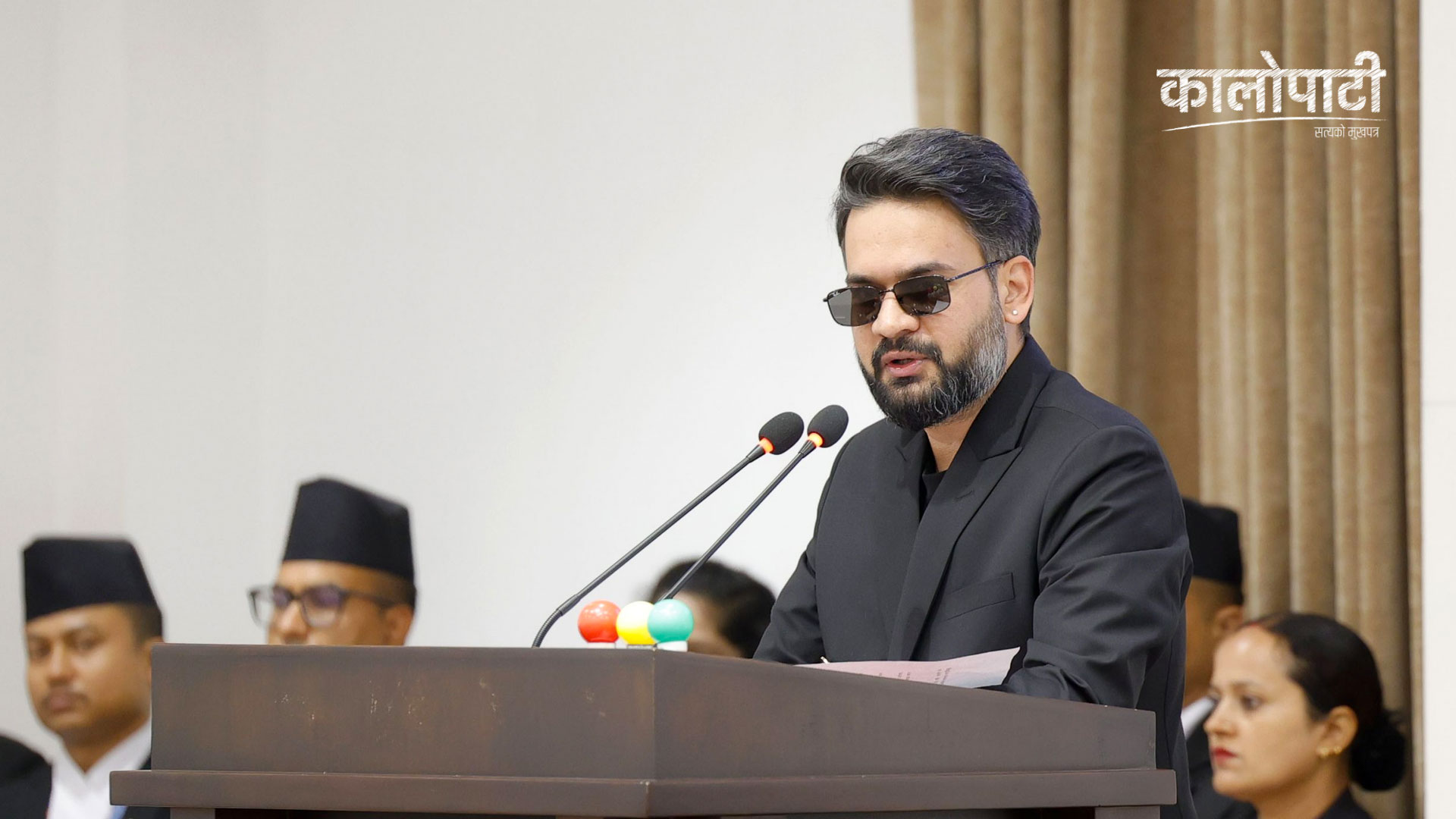
Any citadel collapses faster with deception inside than with an attack from outside. The biggest headache for Oli in Jhapa-5 is not burning, but the old UML cadres who have carried Oli’s bag since 1990. It is a big political setback for Oli that influential youth leader of the UML like Santosh Dulal has left the party and taken over the election command of Balen.
The old leaders of Gauradaha and Kamal regions have the same complaint: “We elected Oli time and again, but he only gave a view tower to Jhapa and did not provide employment to our children.” This ‘silent revolt’ could be fatal for Oli. Although the UML’s organizational structure seems strong from the outside, the fire of dissatisfaction is burning inside.
3. The Balen Factor: ‘Gen-G’ and the Dream of Overseas Youth{
}
For Balen Shah, Jhapa-5 is not just a constituency, it is a statement. More than 10,000 new first-time voters, who were impressed by the ‘action’ he showed in Kathmandu, are expected to be decisive this time. These are the youths who see the future not in Oli’s proverbs, but in Balen’s map and dozer.
Not only that, thousands of Jhapa youths who are in foreign employment are calling home and pressuring them to vote for change this time. Oli’s strategy of belittling Balen as a ‘guest candidate’ has instead become a tool to garner sympathy in Balen’s favour. Voters are now looking for a leadership that delivers rather than ‘local’.
4. Complicated calculations of mathematics
If we look at the 2079 elections, Oli had got 52,319 votes. But at that time, the foundation of the RSP was just beginning. Now the situation has changed. In the proportional representation category, Oli’s margin is sure to shrink drastically with the combined 18,000 votes of the RSP and Balen’s personal craze.
On the other hand, Dr. Amresh Kumar Singh has thrown the Madhesi and Adivasi cards in favor of Balen. Indigenous and Madhesi voters in the southern part of Jhapa, who were staunch supporters of the UML in the past, are now showing signs of turning to Balen, citing “their community identity and youth leadership”. This time, Oli’s rebellion by RPP cadre Madhav Mishra has further weakened Oli.
5. Battle of the Agenda: View-Tower vs. Jobs
}
Oli’s election agenda focuses on ‘experience and development’ (towers, industrial areas). But Balen’s agenda is based on “systems and results”. The opposition has been besieging Oli, saying that “the tower does not fill the stomach”. The voters of Jhapa-5 now have a strange psychology — “Prime Minister if Oli wins, the next prime minister if Balen wins.” This has removed the compulsion of voters to be Oli.
6. Future political direction of Nepal
This election in Jhapa-5 will determine the future direction of Nepal’s politics. If Oli wins, it will protect his personal legacy, but it will push the younger leadership within the UML even further. If Balen wins, it will mark the formal end of Nepal’s traditional political syndicate and the beginning of a new era.
Whatever the outcome of March 4, one thing is certain: Balen Shah has challenged KP Oli’s 33-year-old dictum in a way that has forever established the debate of ‘retirement’ and ‘generationalism’ in Nepali politics.
Jhapa-5 is no longer just a polling station, it has become a place to dissolve old egos and test new hopes.
Finally,
Incarcerated history and future at the ballot box
This great battle of Jhapa-5 is not just an arithmetic competition between two people—KP Oli and Balen Shah. This is a fierce conflict between the ‘status quoism’ that has been hidden in Nepali society for years and the ‘desire for change’ that is about to explode. The blood of the cadres on the streets of Damak and the voices of discontent heard in the tea shops of Gauradaha indicate the same thing – the people need more than the ‘tower of assurance’, they need ‘development of experience’.
For KP Oli, this election is the most difficult ‘ordeal’ of his political life. If he fails to defend his own stronghold, it will be the end of not only an individual, but also a political career. For Balen, on the other hand, this election is a golden opportunity to turn the ‘craze of Kathmandu’ into a ‘mofussil vote’ and establish himself as a national leader.
But looking beyond this defeat and victory, Jhapa-5 has already sent a big message that no one’s ‘fort’ is safe in politics anymore. Voters are no longer ‘devotees’, they are ‘decisive’. Whether the sunrise of March 21 will continue the old legacy in Jhapa or herald a new era, only the ballot box will tell. But one thing is as clear as the sun – the needle of Nepali politics will not turn upside down.
A small ‘impression’ of the Jhapali electorate will either put an end to Oli’s 33-year-old empire or give a new height to Balen’s political flight. In any case, no matter who wins, the defeat will be the old political parochialism. In the end, the result of Jhapa-5 will not be the result of just one constituency, it will be the first sketch of the picture of what Nepal will be like in the next decade.
प्रतिक्रिया दिनुहोस्