

 सुनचाँदी
 विनिमयदर
 मिति रुपान्तरण
 पेट्रोलको भाउ
 तरकारी / फलफूल
 मेरो एउटा कुरा छ
 AQI
AQI मौसम
मौसम स्न्याप
 रेडियो लाइभ
 बैंक ब्याजदर
 युनिकोड टुल्स
 सेयर मार्केट्स
 राशिफल
 सिनेमा बोर्ड
 निर्वाचन पोर्टल
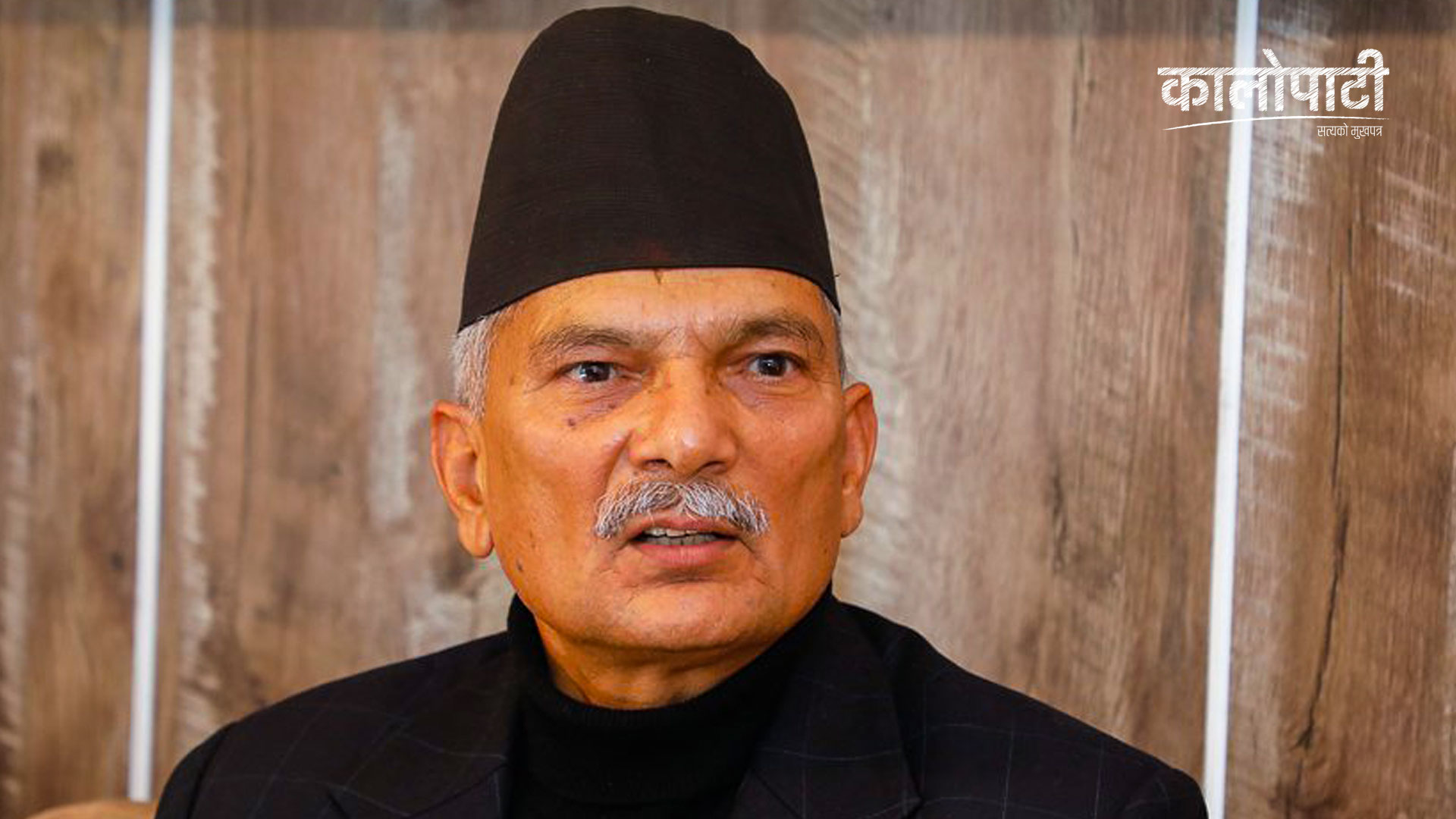

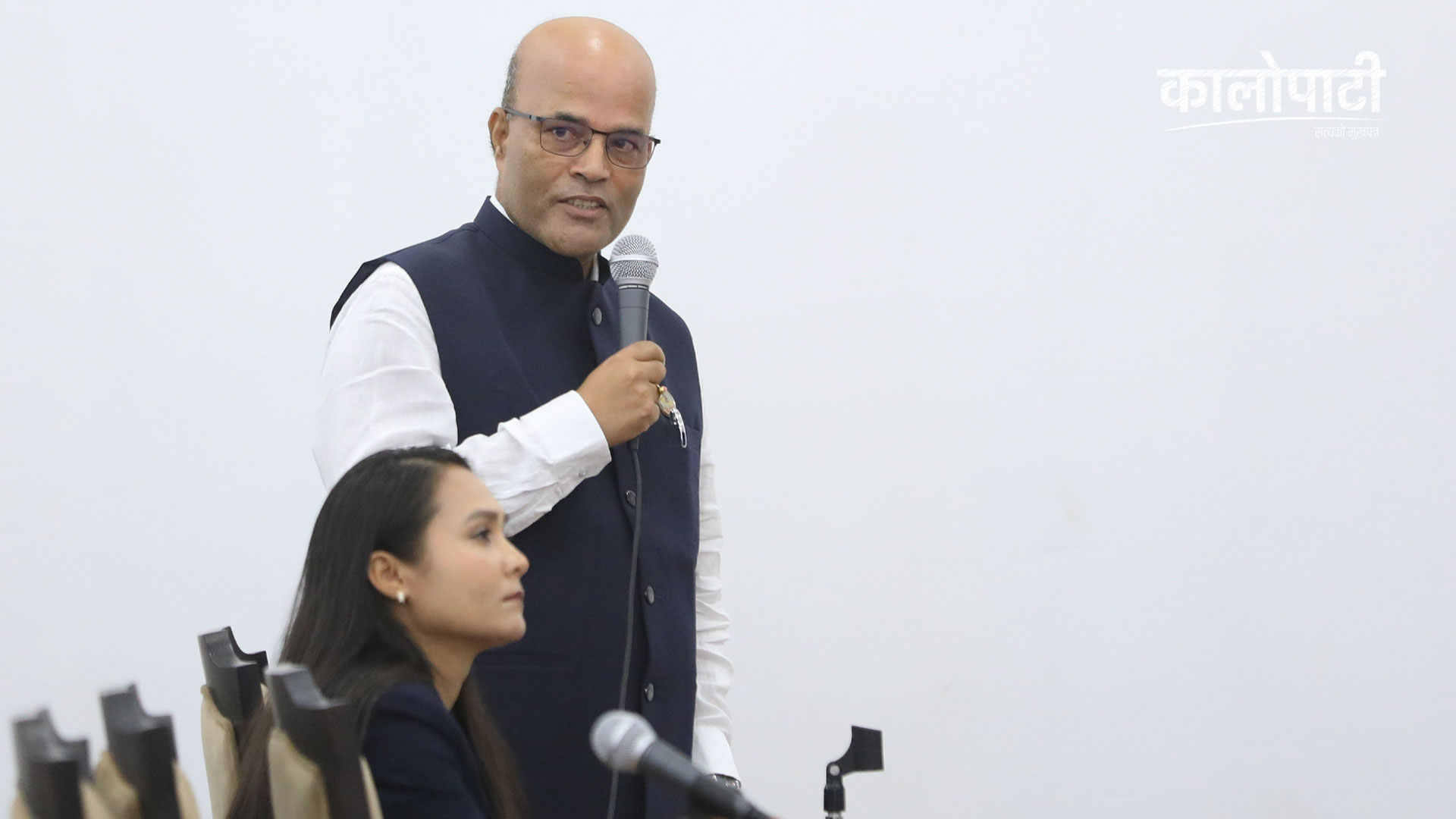
In Nepali politics, Dr. Baburam Bhattarai is such a character, whose decision gets more attention, the more doubts and questions arise. Baburam, who reached Gorkha-2 in a dramatic manner saying that he will contest the election just two days before filing his candidacy, has adopted an even more mysterious style after withdrawing his candidacy. Earlier, he had publicly announced that he would not contest the direct elections in the 2079 elections. However, by the time the application for withdrawal of candidature reached the office of the returning officer, Baburam has already made another political move. Although it looks like a ‘sacrifice’ at the request of other parties, there is a strong suspicion that its inner turmoil is linked to the power equation that will change after March 21 and the post of ‘President’ that may become vacant.
Not just technical issues
Bhattarai’s withdrawal of candidacy is not just a technical issue of one constituency. He had held discussions with NCP Coordinator Pushpa Kamal Dahal ‘Prachanda’, Rastriya Swatantra Party (RSP) President Rabi Lamichhane and Vice-President Swarnim Wagle before withdrawing his candidacy. In particular, the portrayal of him as the ‘guardian of the country’ and ‘senior guide’ by the leaders of the RSP indicates that Baburam is heading towards Sheetal Niwas. Swarnim Wagle has written directly on social media that Baburam’s experience will be used in the new government to be formed after March 21 and in the management of the transitional period. In politics, the term ‘parental role’ simply means a constitutional role above the executive post, for which Baburam has now withdrawn from the difficult electoral field in Gorkha.
Uncomfortable arithmetic and fear of losing
The electoral arithmetic of Gorkha-2 was not easy for Baburam this time. On the one hand, the CPN-UML has fielded aggressive candidates like Milan Gurung (Milan Chakra) while on the other hand, Rastriya Samajwadi Party General Secretary Kabindra Burlakoti and NC’s Prakash Chandra Dawadi are also strong contenders. Baburam, who had tried to show himself as a ‘kingmaker’ by helping Prachanda in the last election, has chosen the path of ‘safe landing’ as he did not see his own victory ensured this time. If he had contested and lost, both his political stature and his bid for the future president would have been over. Therefore, instead of being humiliated by losing the election, he considered it beneficial to withdraw the candidacy and blame Prachanda and the RSP. This is not his “sacrifice”, but a strategic bargaining where he seems to have swapped his candidacy for the presidency.
Unstable mindset or strategic ingenuity?
Baburam’s candidature from the Pragatisheel Loktantrik Party (LOKP) and then withdrawing it has sent a message that he is unstable, but it has also paved the way for him to become the ‘common candidate’. The fact that he doesn’t say who he will support also means that he wants to keep his bargaining with all sides alive. Prachanda needs Baburam’s support to win Lekhnath Neupane in Gorkha while RSP needs Baburam’s ‘guardian’ image to win in favour of its general secretary Burlakoti. In the midst of this need, Baburam sought the guarantee of a cold residence for himself. Baburam has tried to present himself as a suitable candidate for the post of President in the context of the search for an intellectual personality and not partisan activism.
Bitter Reality: Distrust of Selfless Politics
One of the bitter realities of Nepali politics is that no leader here vacates the field without selfishness. An ambitious leader like Baburam, who led the country from the People’s War to the drafting of the Constitution, does not deserve to stay at home just to make others win. The statement that RSP Vice President Wagle had asked Baburam to help Baburam when the country was on the verge of change also confirms that Baburam will have a big role in the upcoming power equation. That role is probably not a minister or a parliamentarian, but it is the highest constitutional post in the country. It would be wrong to interpret Baburam’s decision to withdraw his candidature as ‘political retirement’. Rather, it is a ‘Chanakya policy’ as a last ditch effort to reach the pinnacle of power.
Finally,
Baburam’s U-turn will not only affect the elections in Gorkha, but it will have a bigger impact on federal politics. He has saved himself from the electoral mud by withdrawing his candidature through a warranty, but will other parties be ready to take him to Sheetal Niwas as he thinks? The answer to this question will be given by the equation that will be formed after March 21.
If Baburam is put forward as the common presidential candidate tomorrow, today’s withdrawal will not be just a small step, but it will become a new standard of ‘transaction’ in Nepal’s politics. Whatever the praise or criticism of Baburam’s move, it cannot be ignored that his eyes are not fixed on the Parliament House in Gorkha but towards the chair of Sheetal Niwas. Does Dr. Saab say ‘the country needs guardians’ mean ‘make me the President’? Only time will answer this question.
प्रतिक्रिया दिनुहोस्