

 सुनचाँदी
 विनिमयदर
 मिति रुपान्तरण
 पेट्रोलको भाउ
 तरकारी / फलफूल
 मेरो एउटा कुरा छ
 AQI
AQI मौसम
मौसम स्न्याप
 रेडियो लाइभ
 बैंक ब्याजदर
 युनिकोड टुल्स
 सेयर मार्केट्स
 राशिफल
 सिनेमा बोर्ड
 निर्वाचन पोर्टल
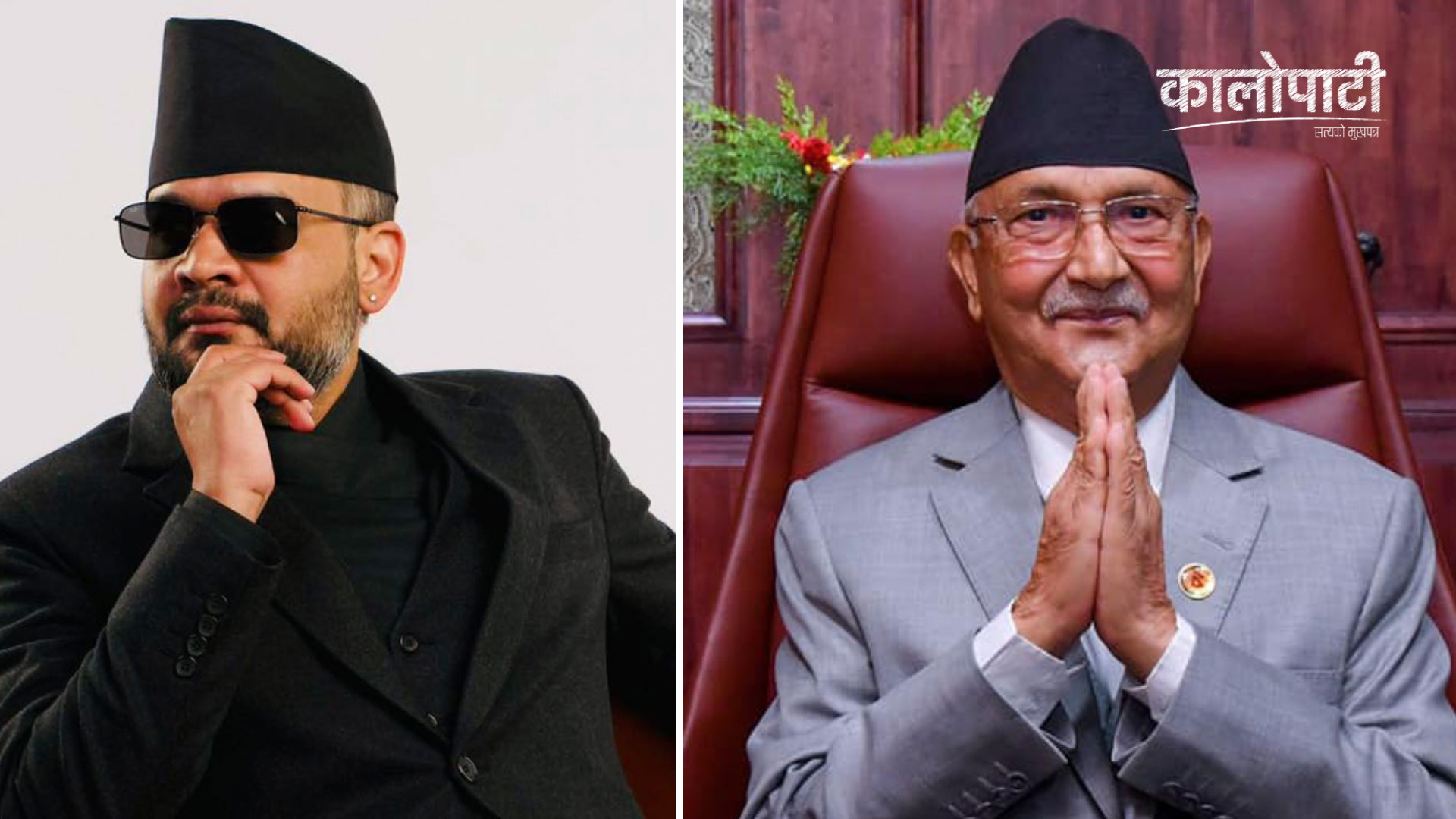

In the stage of Nepali politics, the election on March 4 is not just a regular process, it is seen as a new battle for the changing psychology of the Nepali society and the survival of the old forces. As the election date approaches, the political parties’ strategies have moved out of the dry room and into the people’s courtyards, social media and streets. On the one hand, there is the organizational legacy of traditional parties that have been entrenched for decades, and on the other, the emergence of new characters in the name of alternative politics and internal purification. The clash between these two streams has made this election interesting and memorable.
‘primary’ vibration within Congress and the new standard of GAGAN
}
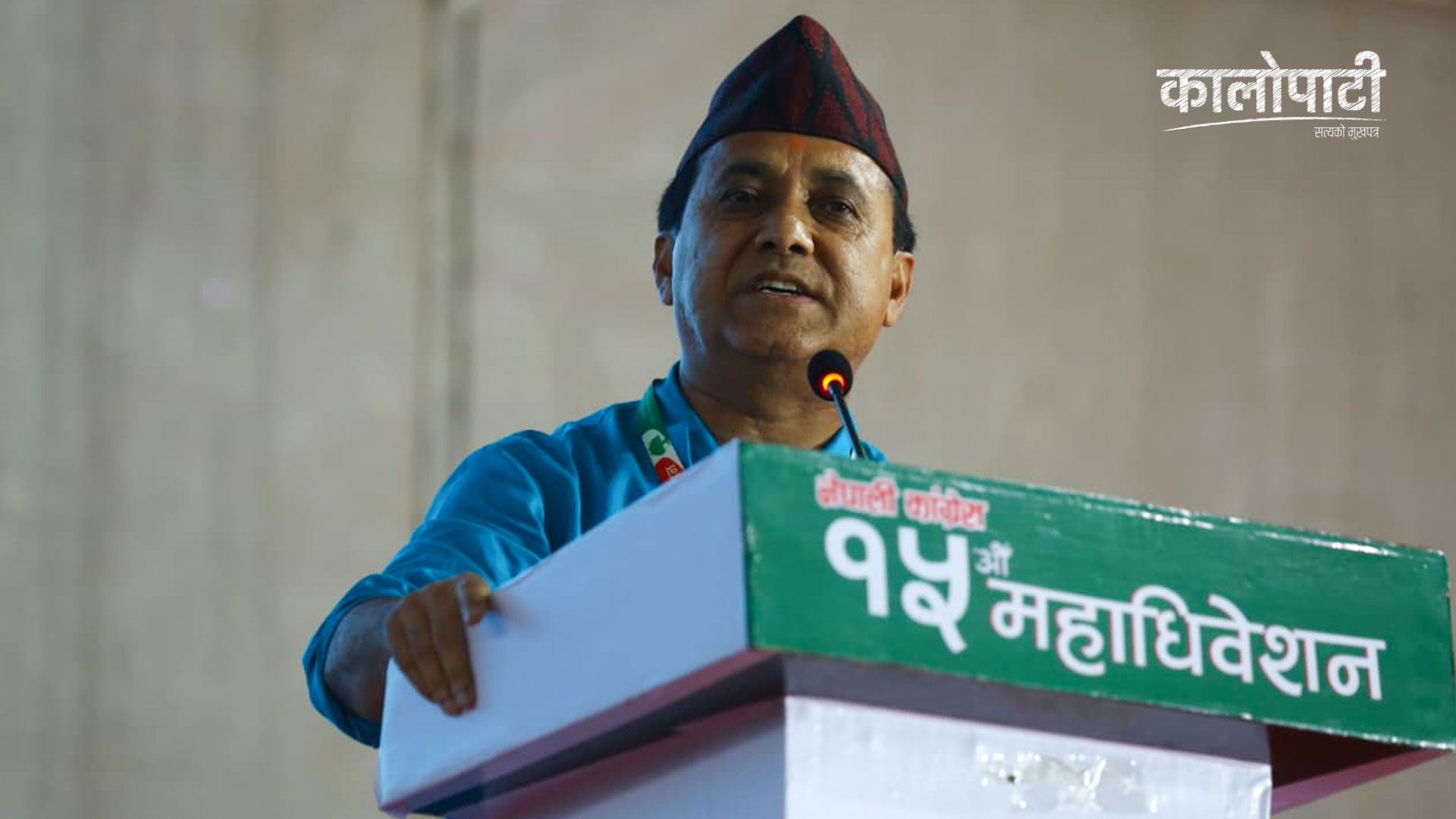
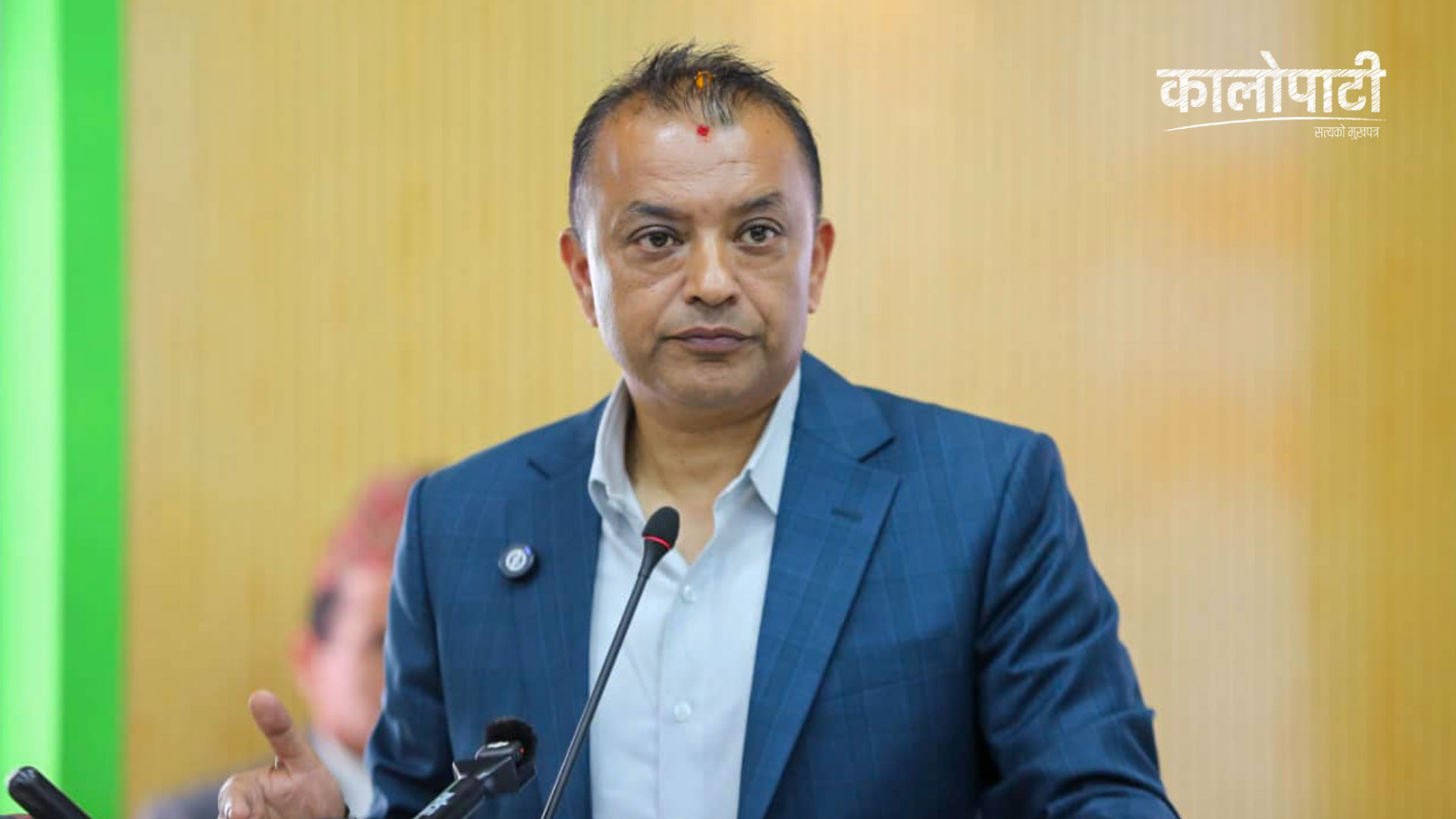
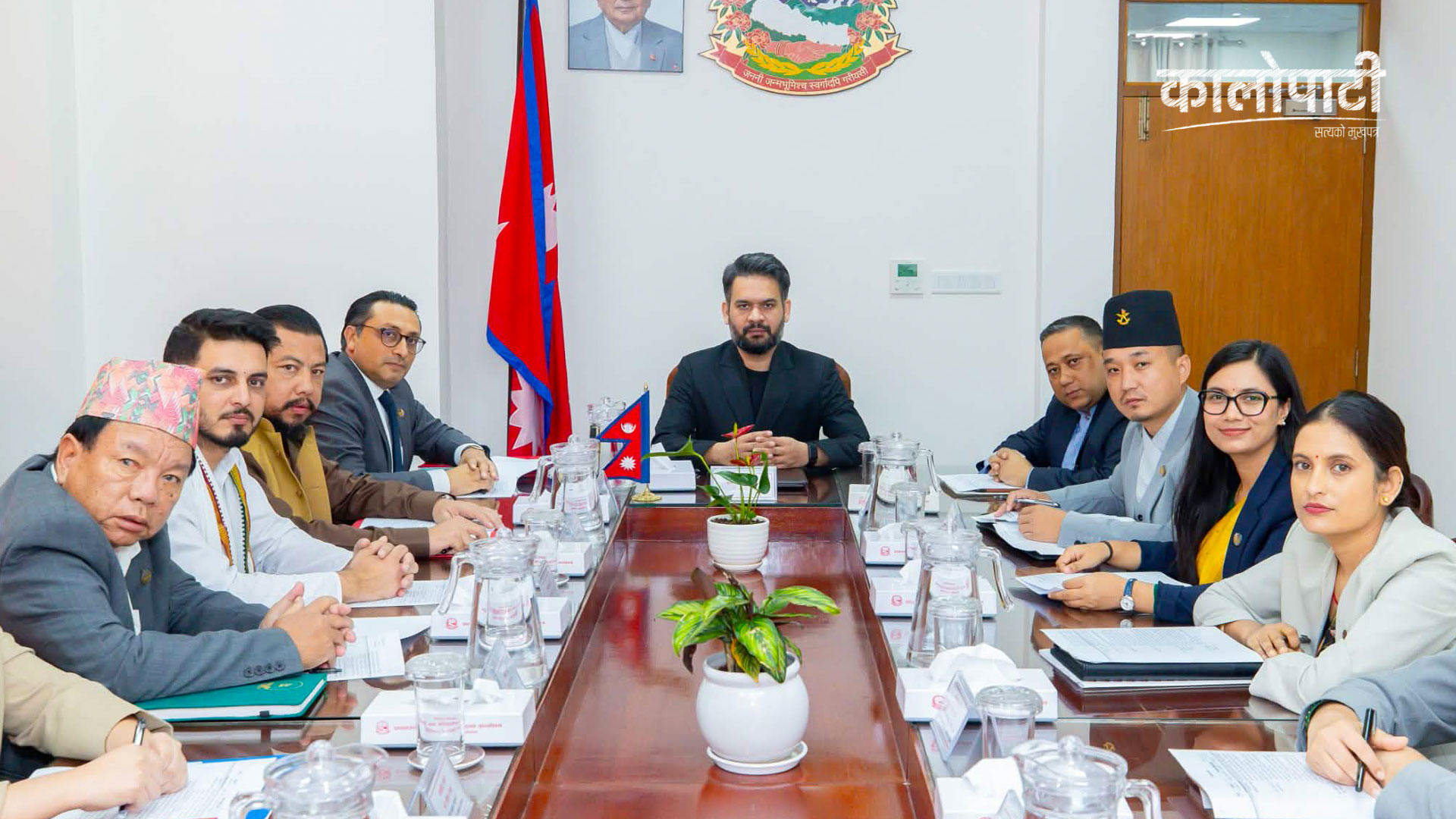
The Nepali Congress, the oldest and largest democratic party in the country, is currently debating a major organizational purification. Speaking at a programme in Kathmandu-4 on Monday, NC General Secretary Gagan Thapa announced that the party’s 15th general convention would be held before the upcoming local level and provincial elections. According to Thapa, the NC will now implement the concept of ‘primary election’ from the ward level, which will end the tendency of going to the doors of the leaders for ticket of the candidates. Claiming that the culture of 60-40 division and factionalism entrenched in the party for a long time has come to an end, he argued that no candidate need to visit the house of party president or general secretary from now onwards. The move has been seen as a bold attempt to break the “dark room” politics and unnatural power relations within the Congress.
Kurukshetra of Kailali-5 carries the weight of the old agenda on the shoulders of a new face
Amidst the debate on this organizational reform, Kailali constituency number 5, which is considered to be the political center of the far-west, has now become the biggest epicenter of the election. The constituency, which has seen tough competition between heavyweights like Sher Bahadur Deuba’s wife Arzu Rana Deuba and CPN-UML’s Narad Muni Rana in the past elections, has got completely new faces in the fray this time. NC’s Nar Narayan Shah, UML’s Yagya Raj Dhungana, NCP’s Prem Bahadur Ale and RSP’s Ananda Bahadur Chand won the seat in 2074 BS. Interestingly, even though the candidates are new, their issues are focused on upgrading the Seti Provincial Hospital, which has been incomplete for decades, running Geta Medical College and resolving the unemployment problem. This confrontation has raised doubts about whether the new character will solve the old problem.
The question of the system and the ‘chair’ of power
}
While the country is focused on elections and organizational building, the opposition parties are raising serious questions about the current state system and working style of the government. Rastriya Prajatantra Party (RPP) Chairman Rajendra Lingden has said that the current political system has failed and corruption has put the country in shambles. Pointing out the need for a change in the system, he stressed that the citizens should now look for a new alternative. On the other hand, Rastriya Swatantra Party lawmaker Dr. Toshima Karki accused the government of being only engrossed in the game of staying in power and protecting the chair rather than the issues of public concern. She lashed out at the government’s poor investigation into big corruption scandals like the Lalita Niwas, the gold scandal and the Bhutanese refugees, which have added to the woes of the common people.
Road outrage and safety hazard
}
At the same time, some of the recent developments have brought the security situation of the country and citizen anger to the surface. The incident of vandalizing the gate of the residence of senior RSP leader Balendra Shah (Balen) in Kathmandu by an unidentified group has also raised questions about the security of high-level political personalities. The attack has further complicated the security challenge ahead of the election when he was in Karnali province in course of election campaigning. On the other hand, dissatisfaction with the state has started to be expressed on the streets at the public level. Locals have blocked the East-West Highway demanding justice for the death of Suraj BK in Krishnapur of Kanchanpur district. This road blockade illustrates the fact that citizens have to fight for general justice and the presence of the state is weak.
The March 21 election is multi-dimensional. From the heavyweight clash in Kailali to the organizational purification in Kathmandu, from the roar of Toshima Karki’s parliament to the outrage on the streets of Kanchanpur – Nepali politics is going through a major transition these days. There are now two clear paths before the electorate: the experience and organisation of the old parties that have been tested, and the new characters’ enthusiasm and transformation agenda.
But this election also leaves some serious questions. Will changing the candidates and raising the slogan of the ‘primary’ end the people’s suffering, will justice be ensured only by venting their anger on the streets, or will the game of power only give the country an outlet? March 21 will not only elect a new people’s representative, it will also create a long-term narrative of where Nepal’s politics will move next.
Finally,
This election of March 4 is not only a political formality, it is also a stern test of the maturity of Nepal’s democracy and voter’s consciousness. On the one hand, there is the legacy of the old parties that have been tested for decades but have been faltering, and on the other hand, there is the ambition of the new forces that have stood on the foundation of organizational reforms and populism. Gagan Thapa’s dream of primaries and the election heat of the Far-West make it clear that Nepali politics is now going through a great ideological and character churn.
The main question now is not who will win the election, but the question is which master plan to change the face of the country by the character who wins the election. Therefore, while stamping the ballot papers on March 21, voters will have to rise above the “impact” of the candidates and weigh their “agenda and integrity”. The outcome of this election will determine the political direction of Nepal in the coming decade. Do we just want to change the face or the distortions within the system?
प्रतिक्रिया दिनुहोस्