


 सुनचाँदी
 विनिमयदर
 मिति रुपान्तरण
 पेट्रोलको भाउ
 तरकारी / फलफूल
 मेरो एउटा कुरा छ
 AQI
AQI मौसम
मौसम स्न्याप
 रेडियो लाइभ
 बैंक ब्याजदर
 युनिकोड टुल्स
 सेयर मार्केट्स
 राशिफल
 सिनेमा बोर्ड
 निर्वाचन पोर्टल
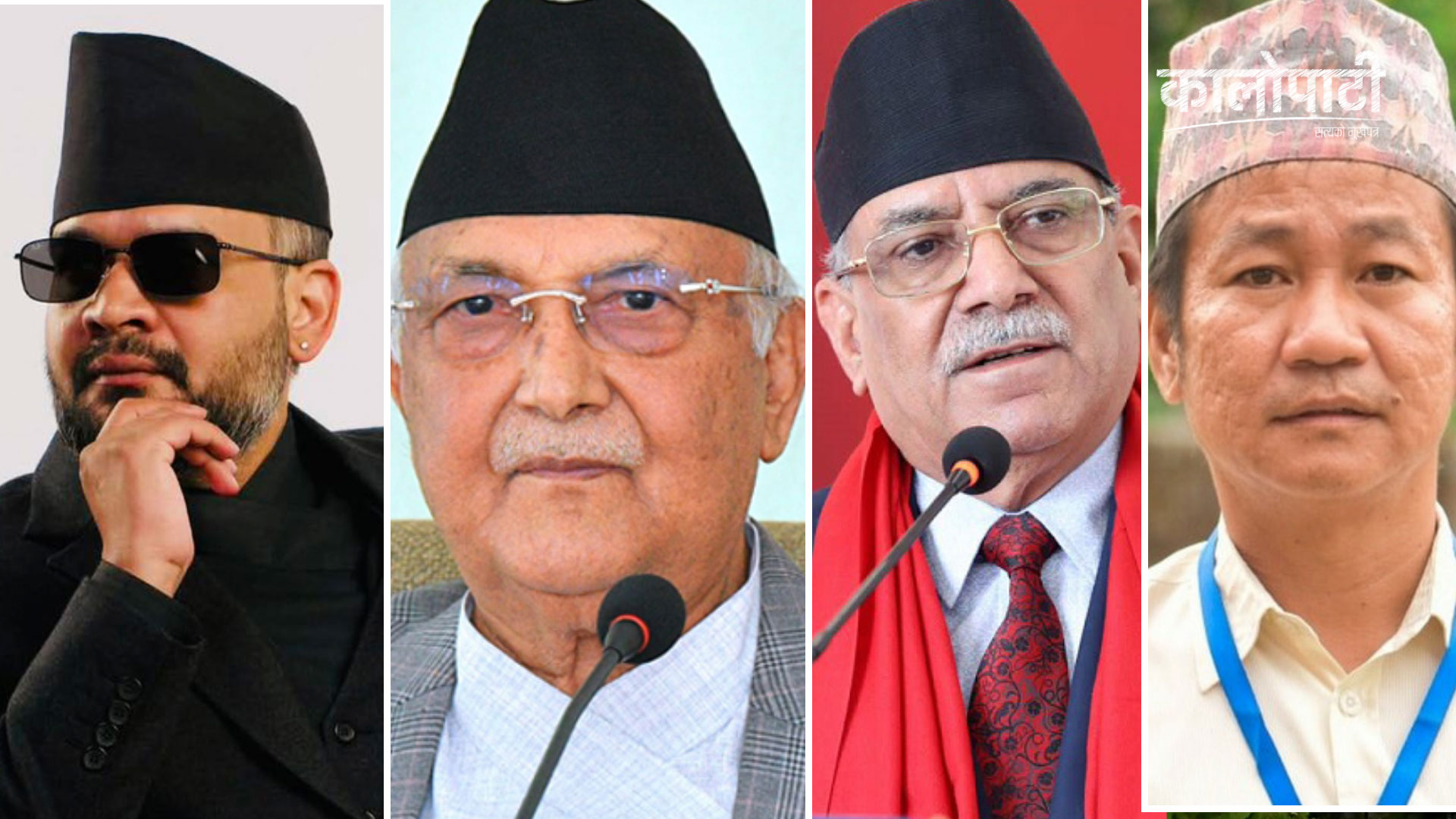

In Nepal’s politics, the run-up to the March 21 election has not only heated up the atmosphere but has also brought out a picture of power struggle where the old ‘tiger’ and the new ‘players’ are in a final effort to outdo each other. This election is not just a game of arithmetic, but a huge market for agenda trading and reassurance. On one side is the Rastriya Swatantra Party (RSP), on the other side is KP Oli who is trying to garner public opinion by showing the fear of nationalism and rigging, while in the other corner is Gagan Thapa with the evergreen slogan of ‘youth’ and ’employment’. The tactics and tactics of these three forces have made the upcoming elections very interesting and equally suspicious.
Promissory Letter of the National Swatantra Party
The Rastriya Swatantra Party (RSP) is currently in the final stages of its ‘100-day’ magic formula and the ‘Promise Letter’ to attract ‘Gen Z’. Vice Chairman Dr. The manifesto, which is being prepared under the leadership of Swarnim Wagle, contains 100 points on ending corruption and policy reforms to be made public in the third week of February. However, the ‘card of majority’ adopted by RSP leader Shishir Khanal has shocked many. He has told the voters in plain terms that if the promise of the RSP is to be fulfilled, then a single party (especially the RSP) has to be given a clear majority, otherwise if there is a mixed mandate, the ‘coalition khichdi’ will not allow the manifesto to be implemented. This statement has been taken as a ‘clever’ move of the RSP in the political circles. Is it really a strong will to work or is it a safe exit strategy to avoid saying “we didn’t get a majority, so we couldn’t do anything” if we can’t work tomorrow? It remains to be seen how far the RSP, which has fielded Dol Prasad Aryal by forming a 51-member federal election editing committee, will stretch this ‘majority bargaining’.
Ollie’s ‘Alarm Bells{
}
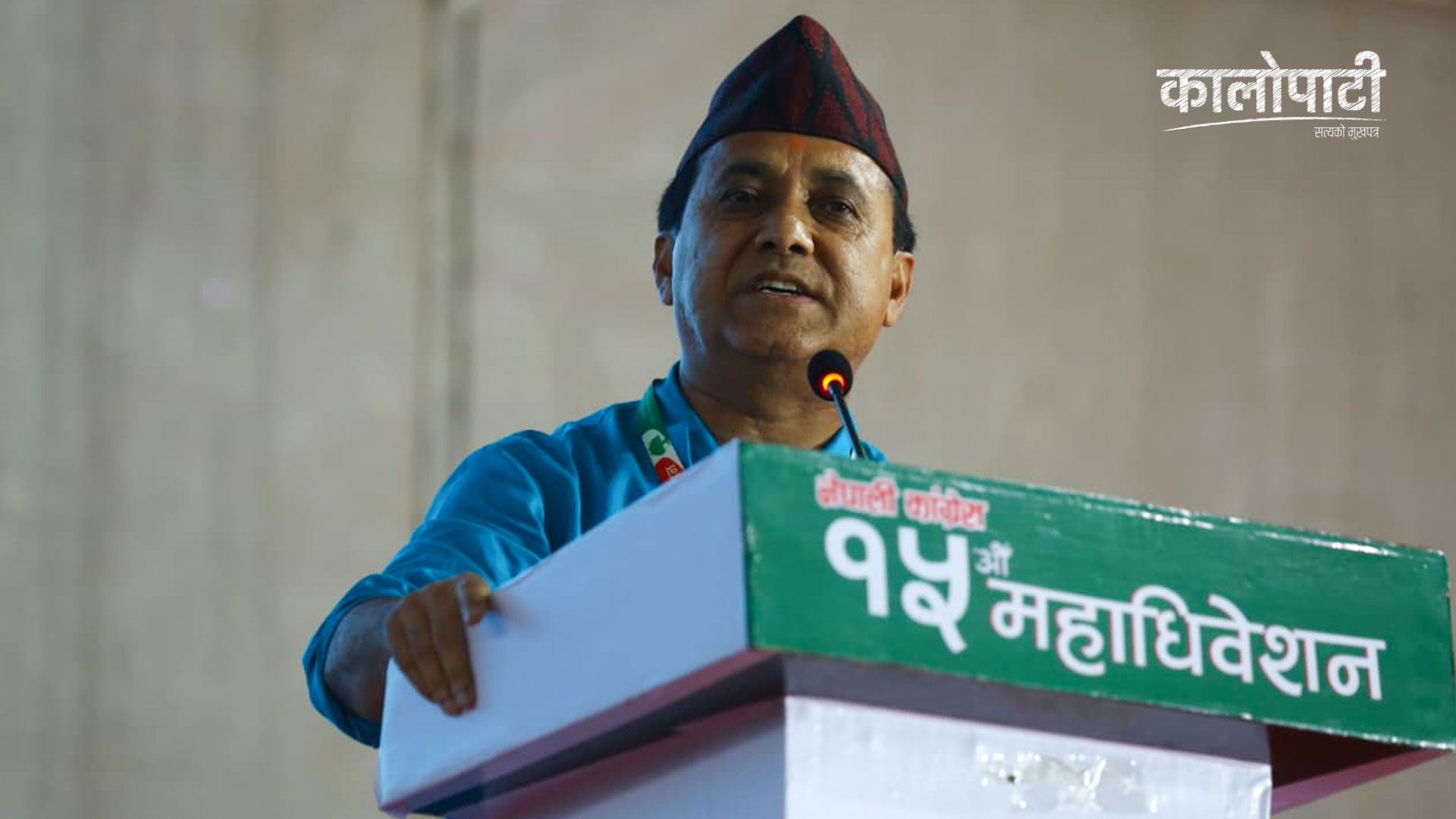
On the other hand, CPN-UML’s KP Sharma Oli has already sounded the alarm bell on the impartiality of the election. Speaking at a program organized by the Okhaldhunga-Kathmandu Liaison Forum, he termed the administrative transfers and promotions as ‘preparation for rigging’. The aggressive manner in which Oli warned that “if the government plays the game of winning someone, the result will not be acceptable” is indicative of a confrontation before the election. Oli has described the massive manipulation of police and bureaucracy as the helplessness of the Election Commission and the abuse of power. On the one hand, his thunder has given a message to his cadres to be ‘alert’ and on the other hand, it has also given the impression of a pre-planned plan to heat up the streets saying that if the election is lost, it is ‘rigged’. This ‘fire’ brand of politics of Oli has made the election field more tense and suspicious.
Gagan Thapa’s Youth and Employment
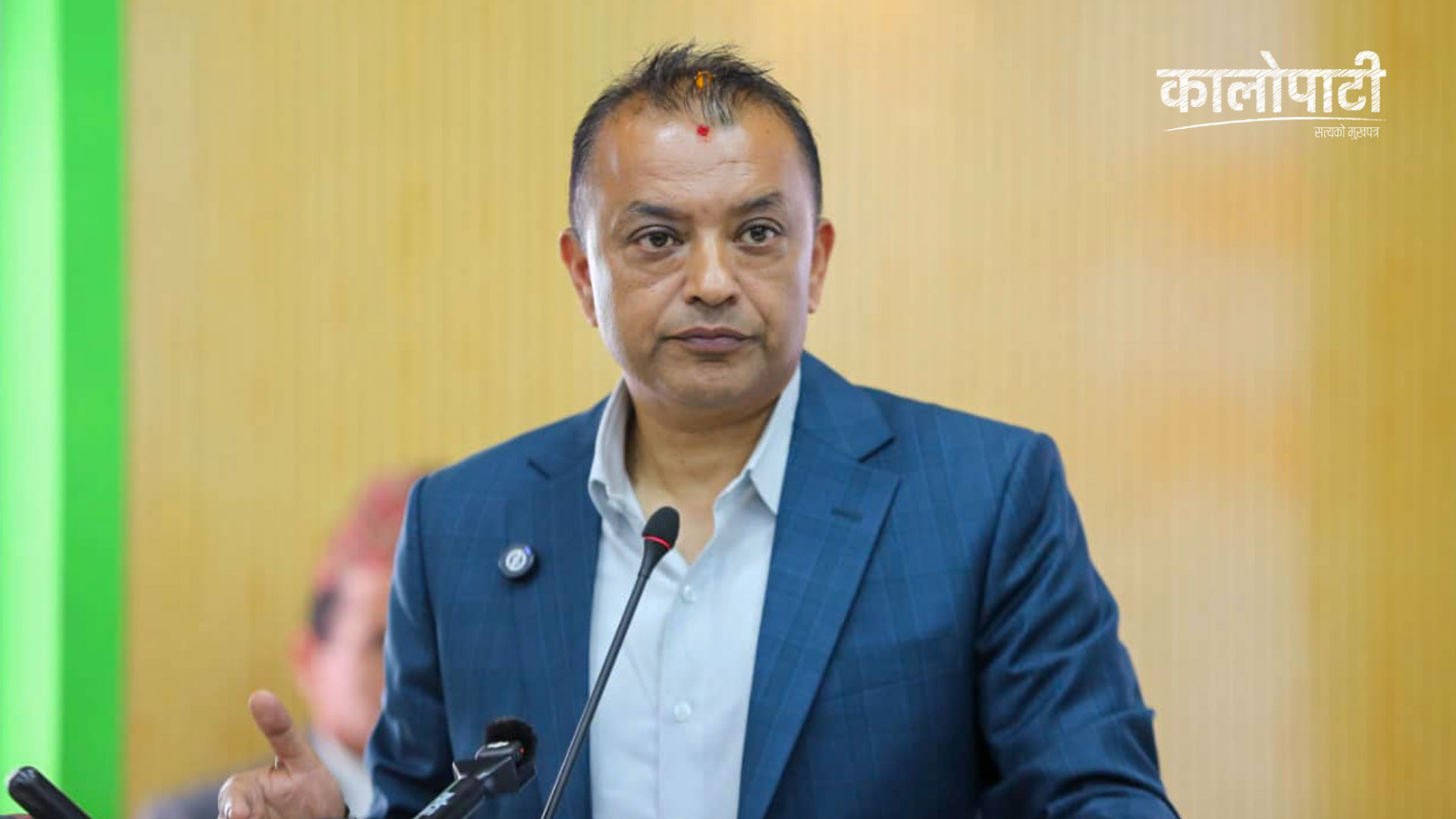
Gagan Thapa of the Nepali Congress is sticking to his old but popular ‘youth and employment’. His promise at a program in Kathmandu Constituency No. 4 — “Nepali youths don’t have to go abroad during NC tenure” — is as pleasing as it is challenging in practice. Gagan’s promise of securing the future of Kathmandu’s street vendors and not taking away anyone’s basis for survival is a straightforward ploy to win the hearts of the urban lower-middle class. However, the question of why the Nepali Congress, which has been holding the key to power for decades, and Gagan, who has been in power time and again, have not been able to stop the exodus of youths so far. For Gagan, this election has become the last chance to save his personal credibility and prove that the Congress is ‘youth-friendly’, but whether people believe in his speeches or even look at the track record of the past, that will be the test of his victory or defeat.
Tito Reality
At present, Nepalese politics is at a strange crossroads, where three forces are in the fray with three different tactics. The RSP is asking for votes with the dream of 100 days and a pre-existing condition that it cannot work without a majority, so that it will be easier to place the burden of failure on the people’s heads tomorrow. KP Oli, on the other hand, is busy emotionally binding his public opinion by making threatening and defensive rhetoric that ‘if rigged, we will not accept the result’, which has made the election more a game of power show than policy. And Gagan Thapa is making a last-ditch effort to save the NC’s declining reputation by selling the same old but never-ending packet of assurances that ‘we will not allow the youth to go abroad’. The tragic incident of journalist Dinesh Sitaula, who died during the election campaign in Achham, is mocking the big gossip of all these leaders — where it is enough to ask for votes by helicopter, but the normal hospital and treatment that saved a citizen is still like the fruit of the sky.
Finally,
In this election Mahabharata, who shares how much dreams and who shows how much fear is secondary. The main thing is what the Nepali people, who have been weary of the burden of assurances for decades, will get this time. The RSP’s ‘100-day’ magical plan, the roar of Oli’s ‘rigging’ and the evergreen guarantee of Gagan Thapa’s ’employment’ are all just election ‘spices’ for now.
Voting on March 4 is not only a technical process but also a strict audit of the intentions of all these parties and leaders. So, should the voters forget only the sweet gossip and shouts of the leaders in the manifesto or should they also weigh their past and real ability to work? The verdict is now in the hands of the people. Let’s remember that the country is not changed by ‘strong’ speeches, but only by honest intentions and concrete actions. Otherwise, elections will come and go, but the condition of the people will remain ‘as it is’.
प्रतिक्रिया दिनुहोस्