












 सुनचाँदी
 विनिमयदर
 मिति रुपान्तरण
 पेट्रोलको भाउ
 तरकारी / फलफूल
 मेरो एउटा कुरा छ
 AQI
AQI मौसम
मौसम स्न्याप
 रेडियो लाइभ
 बैंक ब्याजदर
 युनिकोड टुल्स
 सेयर मार्केट्स
 राशिफल
 सिनेमा बोर्ड
 निर्वाचन पोर्टल
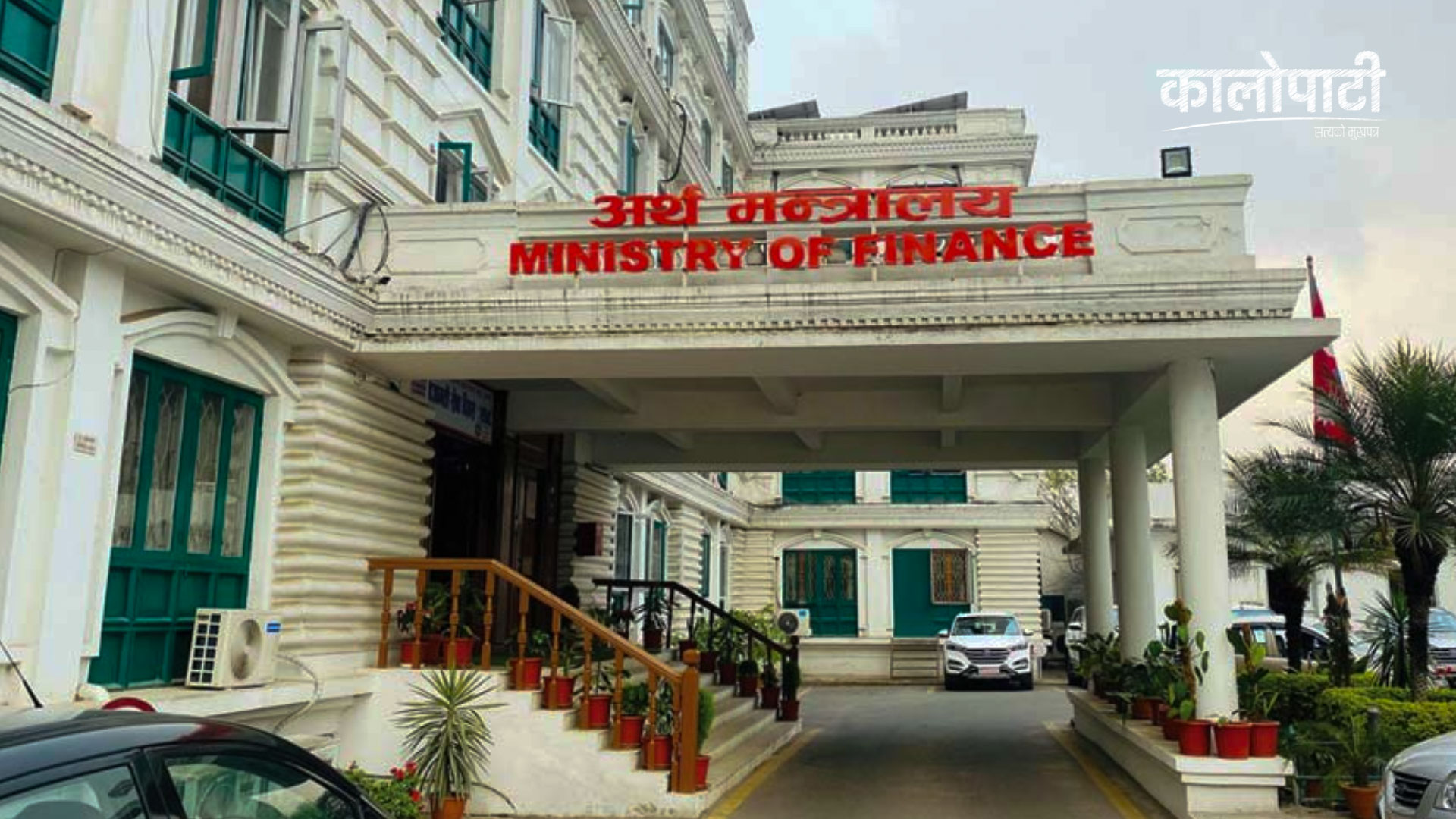

Kathmandu. The Ministry of Finance has published a half-yearly evaluation report of the budget for the current fiscal year 2082/83. According to the public reports, the interest rate of banks and financial institutions has decreased significantly, while the pace of loan flow has been slower compared to deposit collection.
According to government data, the average interest rate on loans issued by commercial banks has fallen to single digits. It has been reduced to 12 percent. In mid-December of the previous year, the interest rate was 8.8 percent. It was 69 percent. The interest rate on loans has decreased by about one and a half percentage points in a year. The interest rate of development banks’ loans is 8. 34 percent and 9 percent of finance companies. It has dropped to 73 percent. With the reduction in loans, the interest rate received by the depositors has also decreased. The weighted average interest rate of commercial banks’ deposits is 3. It has been reduced to 56 percent, up from 4.5 percent in the previous year. It was 75 percent.
In the first six months of the current fiscal year, deposit collection in banks and financial institutions has been encouraging, but credit flow has only halved. In the review period, deposits increased by Rs 417.48 billion and total deposits reached Rs 7.681 trillion. Yo 5. That’s an increase of 7 percent. However, credit to the private sector has increased by Rs 197.47 billion in the same period. Currently, a total of Rs 5.695 trillion has been disbursed to the private sector. The fact that there is more than Rs 400 billion in deposits in six months and not even Rs 2 trillion in loans shows that the demand for loans in the market is low and banks are stocked with money.
Due to excess liquidity in the market, Nepal Rastra Bank has pulled money from the market through various instruments. In the review period, the central bank mopped up liquidity worth Rs 286.99 trillion based on deposits, collection, bidding and transactions through fixed deposit facility. In the same period of the previous year, liquidity worth Rs 139.99 trillion was mopped. When there is enough money in the market, the interbank rate (interbank rate) has also come down to 2.5 percent. It has dropped to 75 percent. Similarly, the interest rate on the 91-day treasury bill is also Rs 2.5. It has been limited to 35 percent.
Looking at the situation of the money supply in the economy, the broader money supply in the current fiscal year is 5. It has increased by 4 percent. Last year, the growth rate was 3. It was only 9 percent. Looking at the total deposit structure of banks and financial institutions, the share of fixed deposits is the highest at 42. 8 percent and 41 percent of savings deposits. It is 3 percent. Current deposits 6. According to the ministry’s report, it is only 9 percent.
प्रतिक्रिया दिनुहोस्